Tips for choosing the wine for your Christmas meals
By: Laura Conde, journalist
Christmas is the most likely time of year for people with different tastes and sensibilities to dine together. Such gatherings are usually a source of joy for the hosts, although they can also be a headache when it comes to achieving the impossible and serving up a meal that everyone will enjoy.
Regarding the wine, some guests may enjoy analysing each glass while others might not be the slightest bit interested in appellations or grape varieties.
Given this scenario, choosing the perfect wine for each dish can be complicated. Therefore, rather than looking for exact combinations, it's more practical to opt for versatile, well-balanced wines capable of accompanying a varied menu and ensuring that everyone enjoys the meal, whether they know a lot or very little about wine.
A sparkling wine to start: the perfect wild card
Christmas meals tend to begin with a variety of appetisers: seafood, cold cuts, canapés, pâtés and other cold starters. In this case a sparkling wine is infallible because it cleanses and refreshes the palate, accompanying the food without overpowering it. What's more, it goes well with almost everything that's usually served at the beginning of a meal. Choose a Brut Nature, crisp and dry, and you'll be sure to please everyone as it's both versatile and elegant, ideal for whetting the appetite.
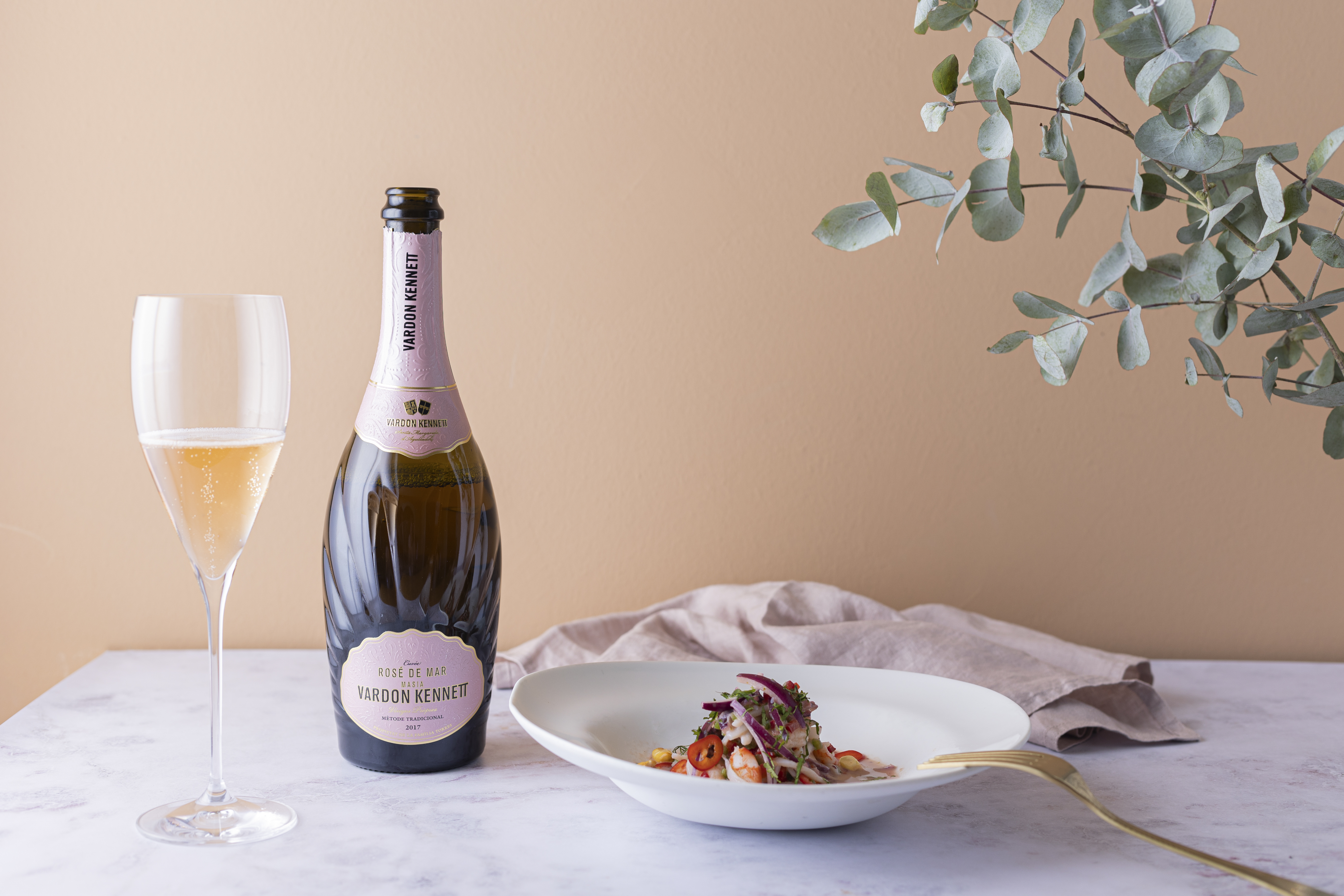
Vardon Kennett Rosé de Mar is a sparkling rosé made by Familia Torres
Less is more, especially at Christmas
The Christmas meal isn't the best time to complicate things with elaborate pairings or by opening too many bottles “just in case”. Firstly, because the day's busy enough without adding more decisions to the list and, secondly, because with so many different dishes, sauces and flavours on the table, our palates can easily become overwhelmed. Instead of looking for perfect combinations for every bite, it makes more sense to choose a couple of versatile, balanced wines that work well with most recipes. That way, everyone can enjoy themselves and you can focus on what's important: the meal, the conversation and the celebration.
A red and a white to accompany the entire meal
To simplify the choice of wines, it's best to opt for a versatile red and white that will accompany the entire meal without complications. For whites, the ideal choice is a fresh, aromatic wine with good acidity and some structure to pair well with fish, seafood, sauces and poultry. For reds, a smooth, balanced wine with polished tannins is recommended, capable of accompanying white meats, mild roasts, stews and even oily fish, offering harmony without overshadowing the flavours of the dish. In both cases, it's best to avoid wines that have been aged for a long time and those with a very strong personality.
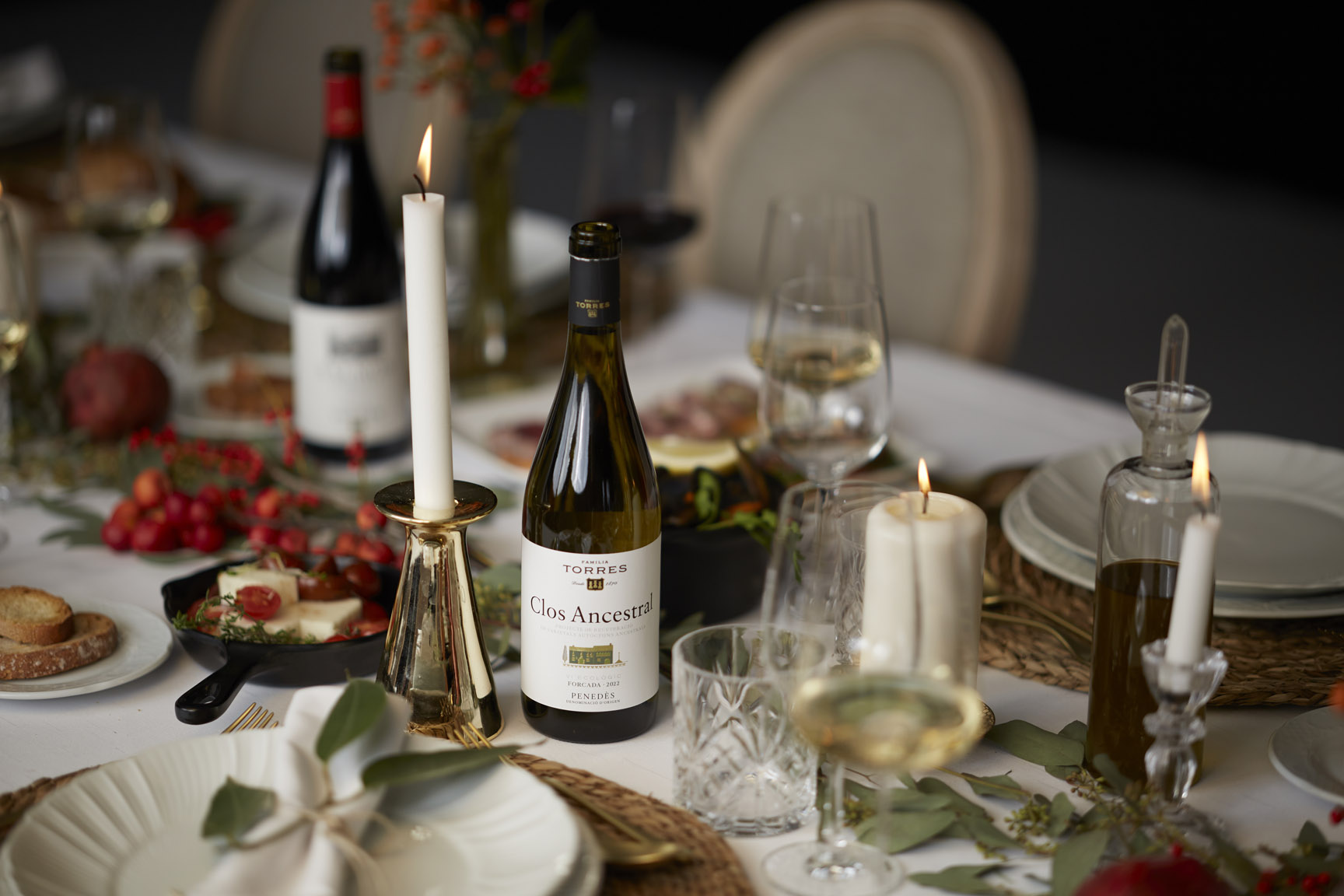
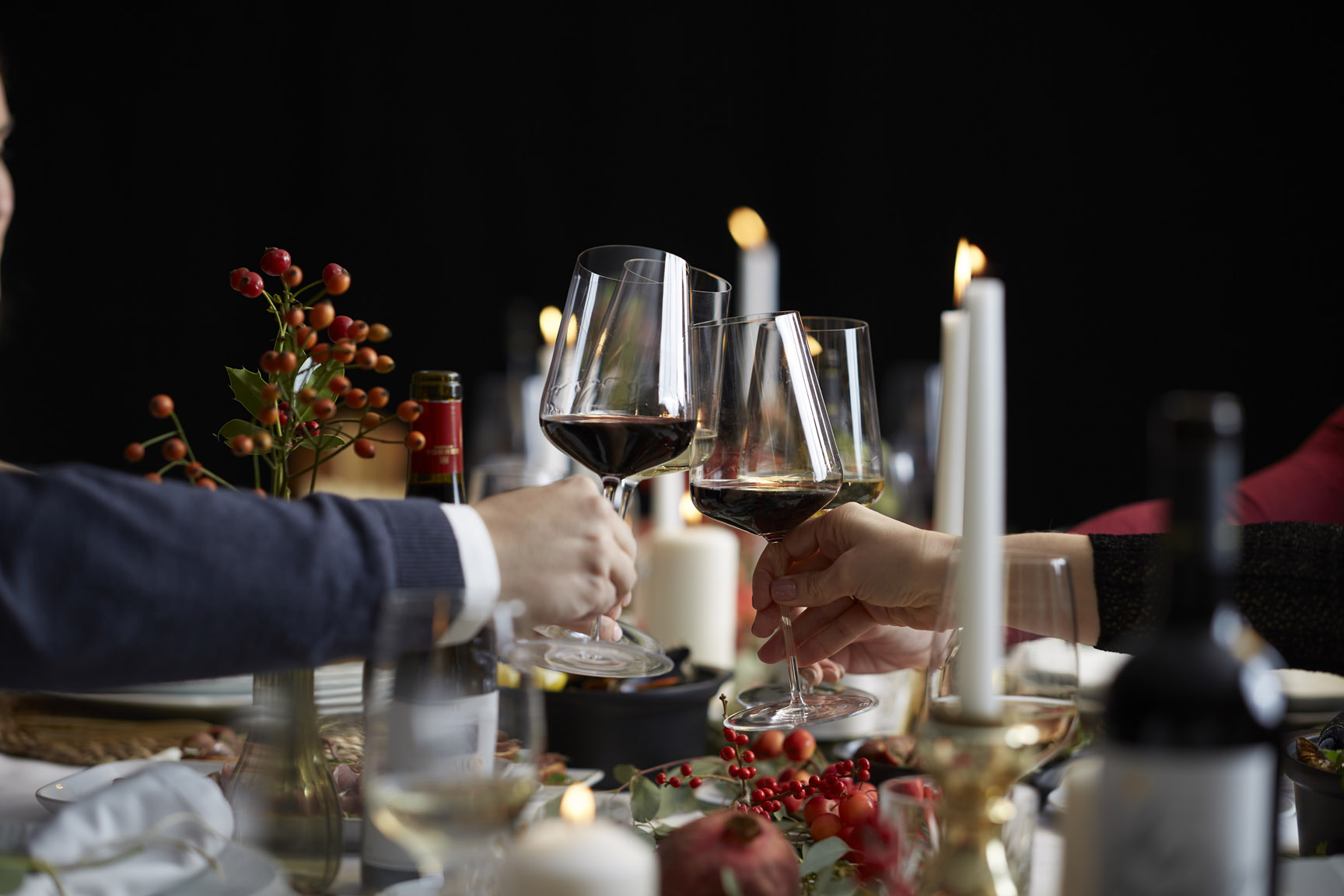
A Christmas table with a white Clos Ancestral and red Salmos
The rule is that there are no rules
The real rule of good wine pairing is that there are no rules. Or, if there are, they're there to be broken, because everyone should drink the wine they like and how they like it. So you don't have to serve white wine with fish and red wine with meat, or remove the sparkling wine once the starters are over. The best thing is to leave the bottles on the table and let diners serve themselves as they wish, without paying attention to pre-established rules. That's when you enjoy a meal the most.
If we say there are no rules, there are truly no rules
This means you shouldn't be shocked if someone adds a soft drink to a great red wine, dilutes it with water, adds ice or serves it in the wrong glass. Everyone enjoys wine in their own way, even if some may be rather unorthodox.
Yes to wines with history
At Christmas, in addition to opting for versatility it's also worth choosing wines with history. One that's a bit special for some reason, perhaps because it comes from a family estate, has an iconic vintage or even a label designed by a renowned artist, adding a unique touch to the table. Recounting a little story before uncorking the bottle not only sets the scene for the meal but also creates an emotional bond with those enjoying it, making the moment more memorable. And it costs nothing.
What about the wines brought by guests?
The rules of etiquette aren't entirely clear in the case of a guest bringing a bottle to a meal. Some consider it a gift exclusively for the host and therefore believe it shouldn't be opened that day; others think it would be rude not to uncork it, as the guest surely wanted to share it. In a relaxed setting among friends, where protocol is less strict, the most natural thing is to open the bottle and enjoy it together, the guest's gesture becoming a part of the evening. The good thing about this time of year is that the bottle is sure to be finished during the long post-prandial conversations, leaving time to enjoy the host's wines as well.
Sweet wines for dessert
In Spain, the traditional turrón, Yule logs, panettone and caramelised nuts find their ideal companion in a sweet wine. This is the time to bring out the sommelier in all of us and open a special bottle or two, the kind that always appeal to everyone's taste.
The most important tip: choose wines you like
Pairing isn't an exact science and Christmas isn't about rigid rules but enjoyment. Choose the wines you love that go well with your meal and family. The best pairing is always the one that enhances everyone's enjoyment of the occasion and, above all, the one that reveals something about the person choosing the bottles.