
Essential White Varieties: From Rueda's Verdejo to Rías Baixas's Albariño
By Laura Conde, wine writer
The world of white wines is synonymous with diversity. For a long time, the tendency was to take a simplistic view of whites as a fresh, light style. However, a quick look at the main varieties and appellations reveals a wide array of magnificent white wines around the world, from straightforward, aromatic profiles to complex, age-worthy wines. Yet they do have one trait in common: the ability to transmit and interpret a landscape.
This rich diversity is especially apparent in Spain. Verdejo from DO Rueda (which encompasses the provinces of Valladolid, Segovia, and Ávila) has become one of the most readily recognizable varieties among consumers. Its expressivity, herbaceous notes, and fresh character make it an accessible crowd-pleaser. Celeste Verdejo originates from Familia Torres’s vineyards in Villafranca del Duero and offers a prime example of a modern, fresh, aromatic Verdejo.
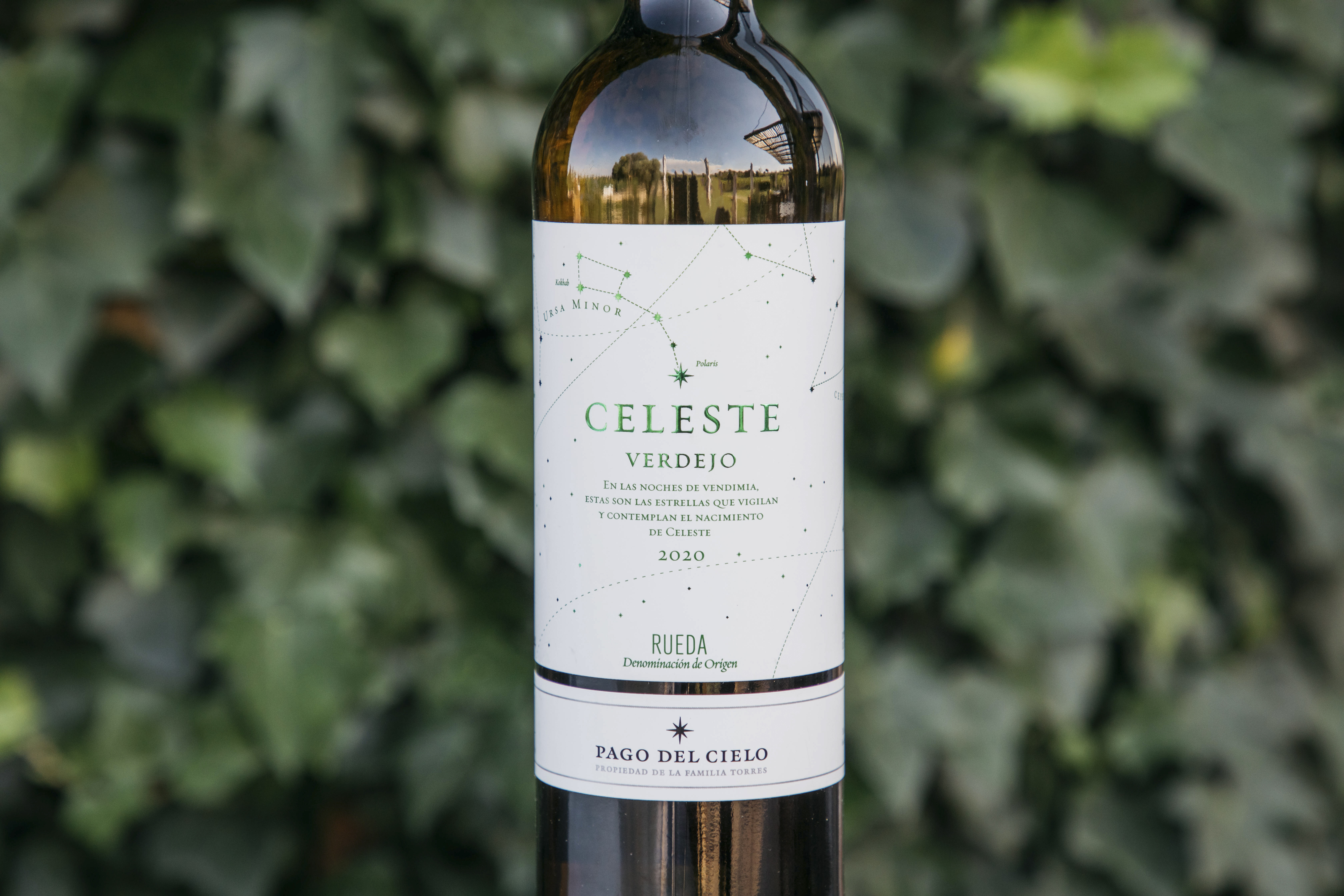
Celeste Verdejo
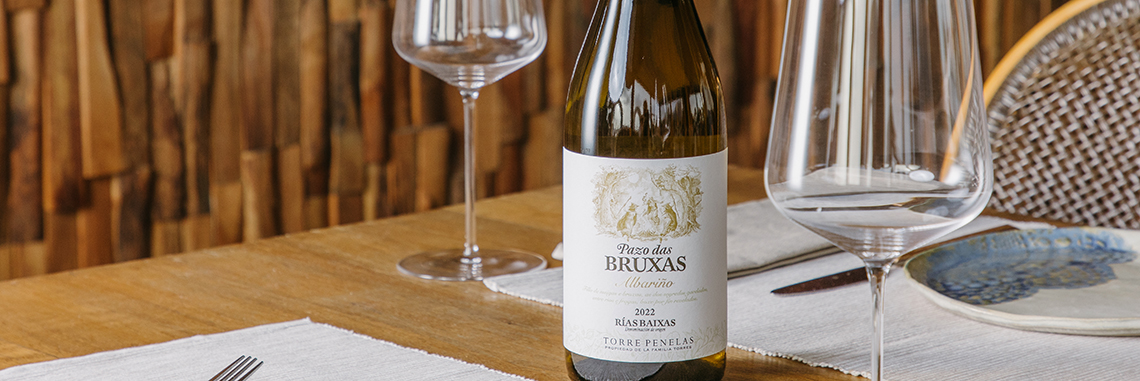
Let’s continue our Spanish tour. In the northwest of the country, in Galicia, Albariño finds its finest expression in DO Rías Baixas. The Atlantic climate and proximity to the sea result in wines of crisp acidity, citrusy and briny notes that pair beautifully with the local cuisine, where seafood is the undisputed star. This provides the setting for Pazo das Bruxas from the subzone of Val do Salnés, a silky, smooth Albariño of white floral notes mingling with fruit like apple, pineapple, and lemon.
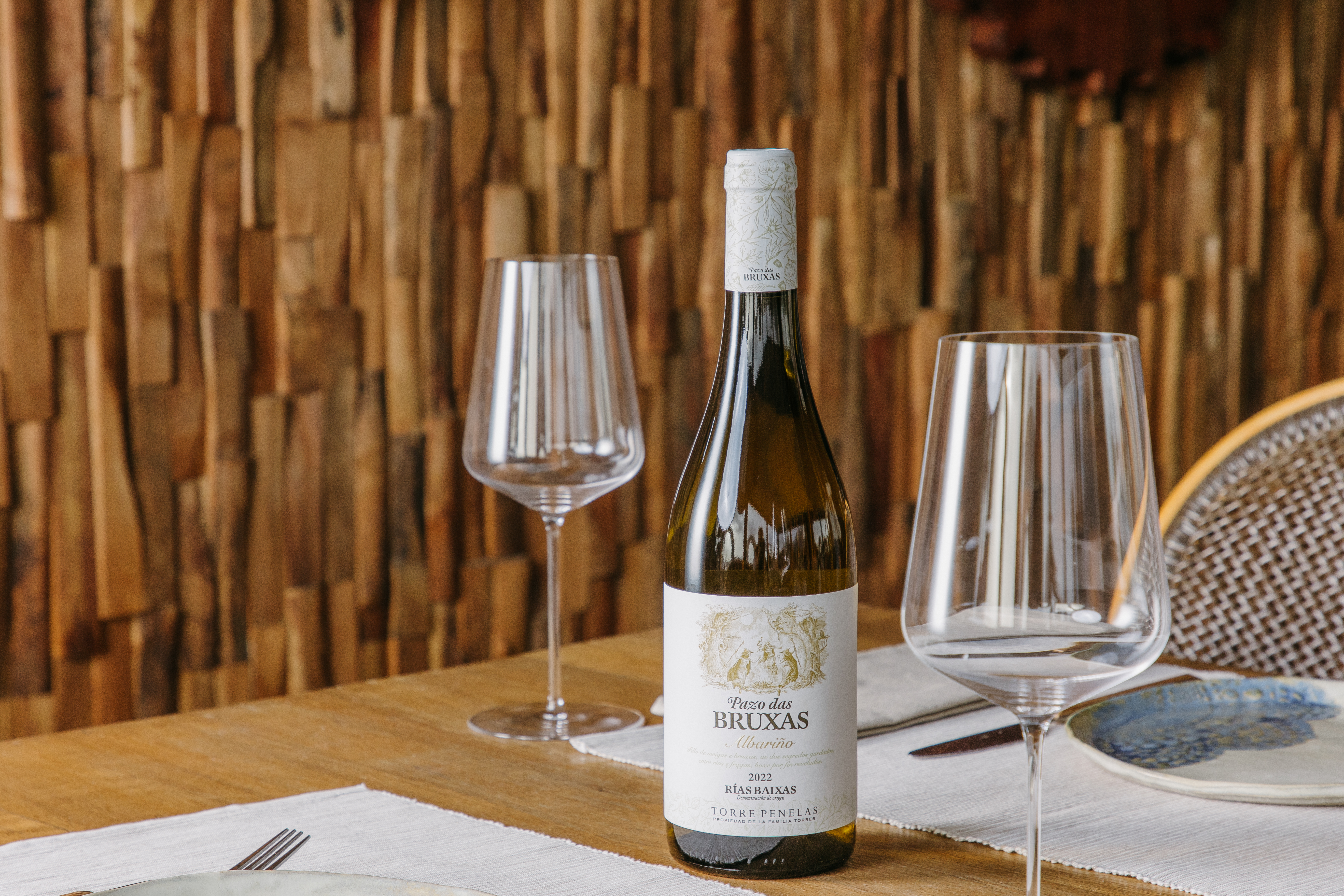
Pazo das Bruxas
In the interior of Galicia, in zones like DO Valdeorras, and in DO Bierzo in northern León, Godello has awakened a renewed appreciation in recent years. Compared to Albariño, the variety adds greater structure and volume without forsaking freshness, producing whites of great length and ageing potential.
In Catalonia, the most likely candidate for flagship-grape honours is Xarello. Inextricably linked to Penedès, where it represents an essential component of the region’s vinicultural identity, the variety is known for its structure, good acidity, and great capacity to express the local soil. It can produce straightforward, fresh wines as well as complex, age-worthy whites when aged in oak.
This diversity translates into wines that look to both the past and future. Clos Ancestral Blanco is a good example: a wine that blends Xarel·lo with local ancestral variety Forcada, the first pre-phylloxera white variety that Familia Torres recovered and vinified. An expressive, aromatic variety with a distinctive Mediterranean profile, Forcada is drawing a lot of interest, because it is capable of maintaining high acidity even under hot climate conditions.
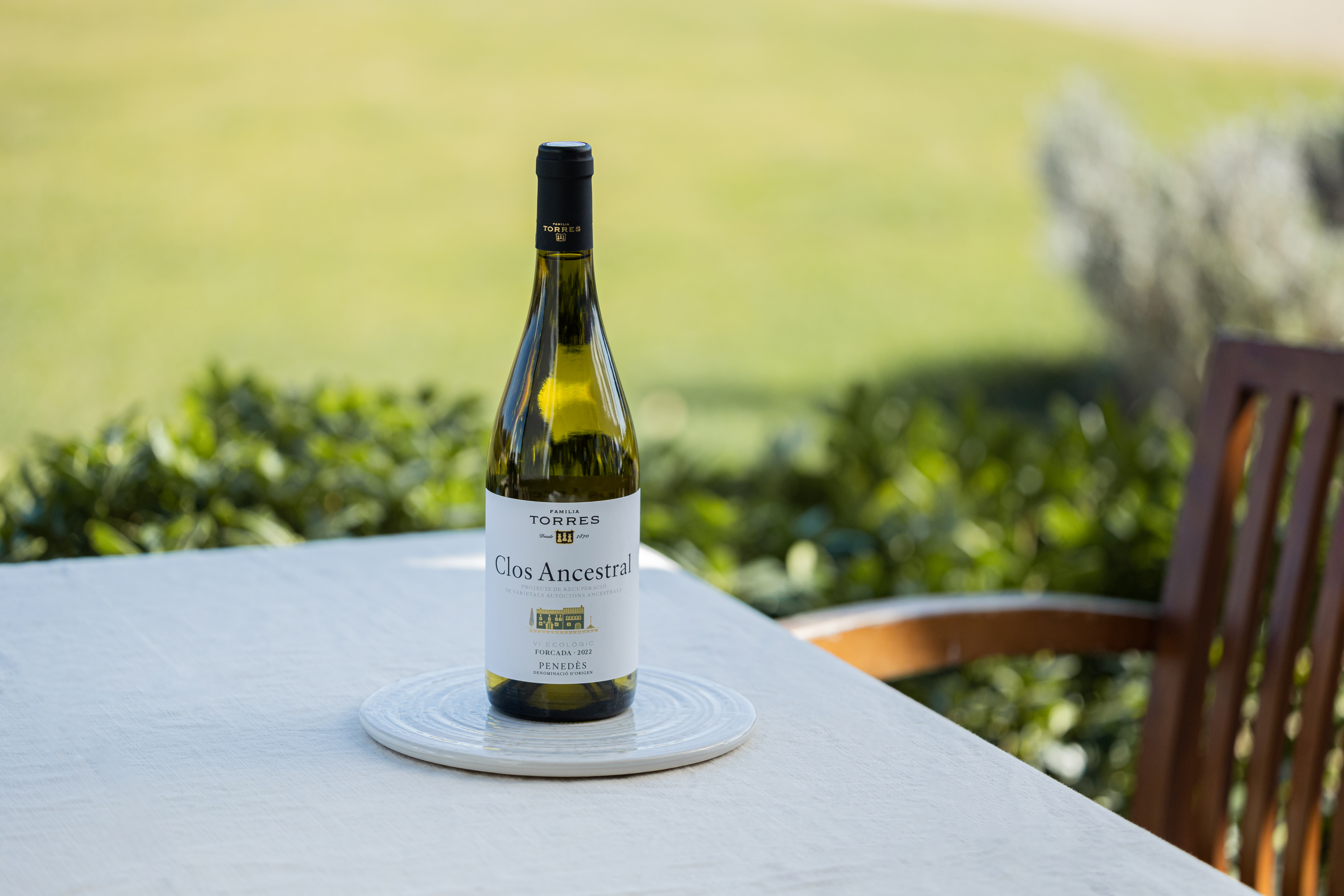
Clos Ancestral Blanco
Macabeo is another flagship Catalan variety, adding finesse and elegance and producing more subtle, delicate styles, while Parellada is associated with light wines known for their crisp freshness and floral notes. Typical of southern Catalonia, Garnacha Blanca has a more Mediterranean profile, expressed in big, full, highly gastronomic wines.
If we look beyond Spain, we come across some of the great international varieties. Originally from the French region of Burgundy, Chardonnay is probably the most international of all white grapes, as well as one of the most versatile, producing fresh, nervy wines or complex, oak-aged whites, depending on the place and winemaking style. One example is Milmanda, among Spain’s finest Chardonnays, made by Familia Torres in Conca de Barberà.
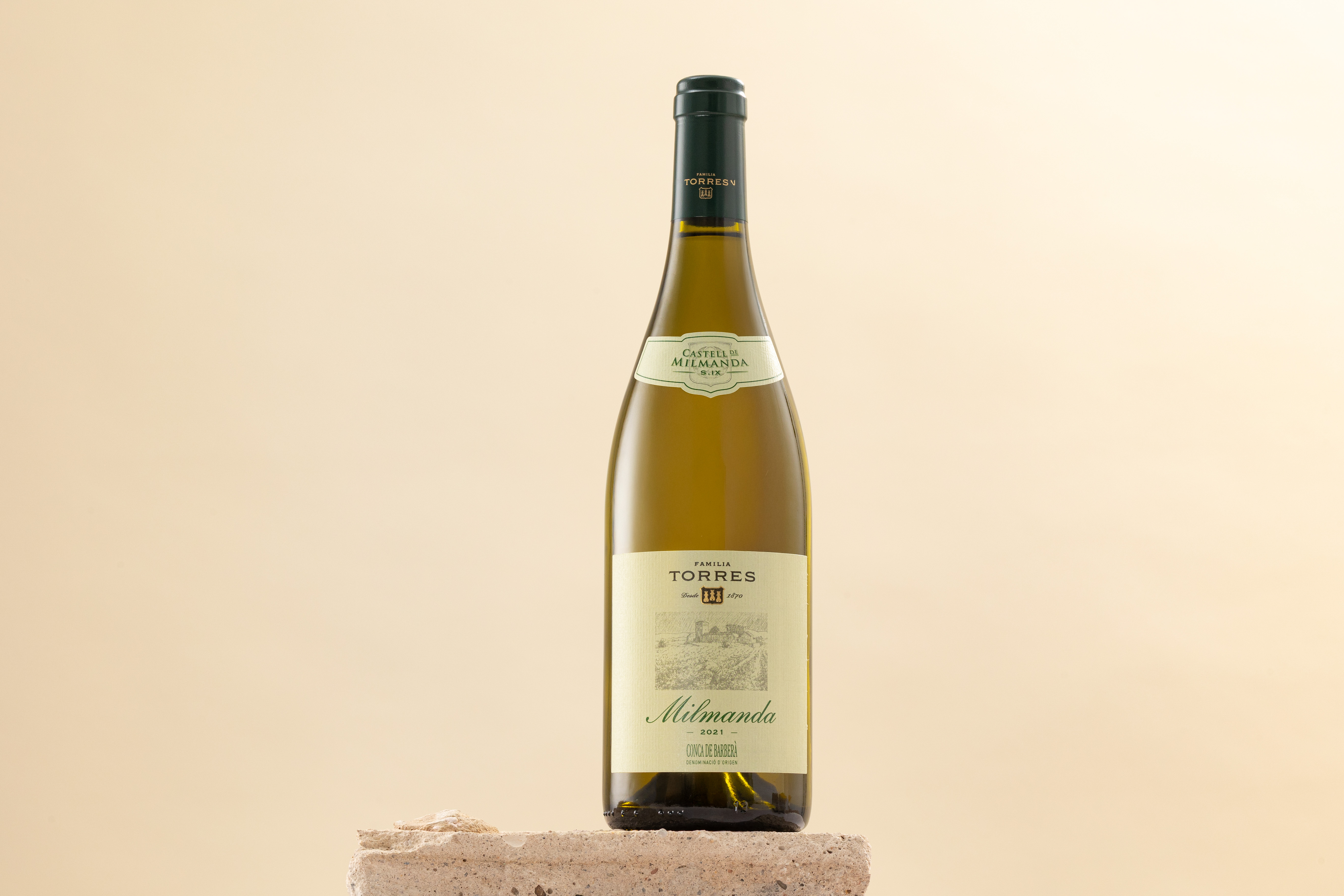
Milmanda
Sauvignon Blanc, a native of the Loire Valley and Bordeaux, has also travelled far afield to places like New Zealand or Chile. One of the great international white varieties, it is known for its aromatic profile and freshness. Capable of yielding very expressive wines with herbaceous and citrus notes, the variety has successfully adapted to different parts of the world. In the highest elevations of Penedès, specifically in the Alts d'Ancosa subzone, Familia Torres cultivates 25 hectares of this variety. The result is Fransola, a deep, elegant white with a distinctive personality.
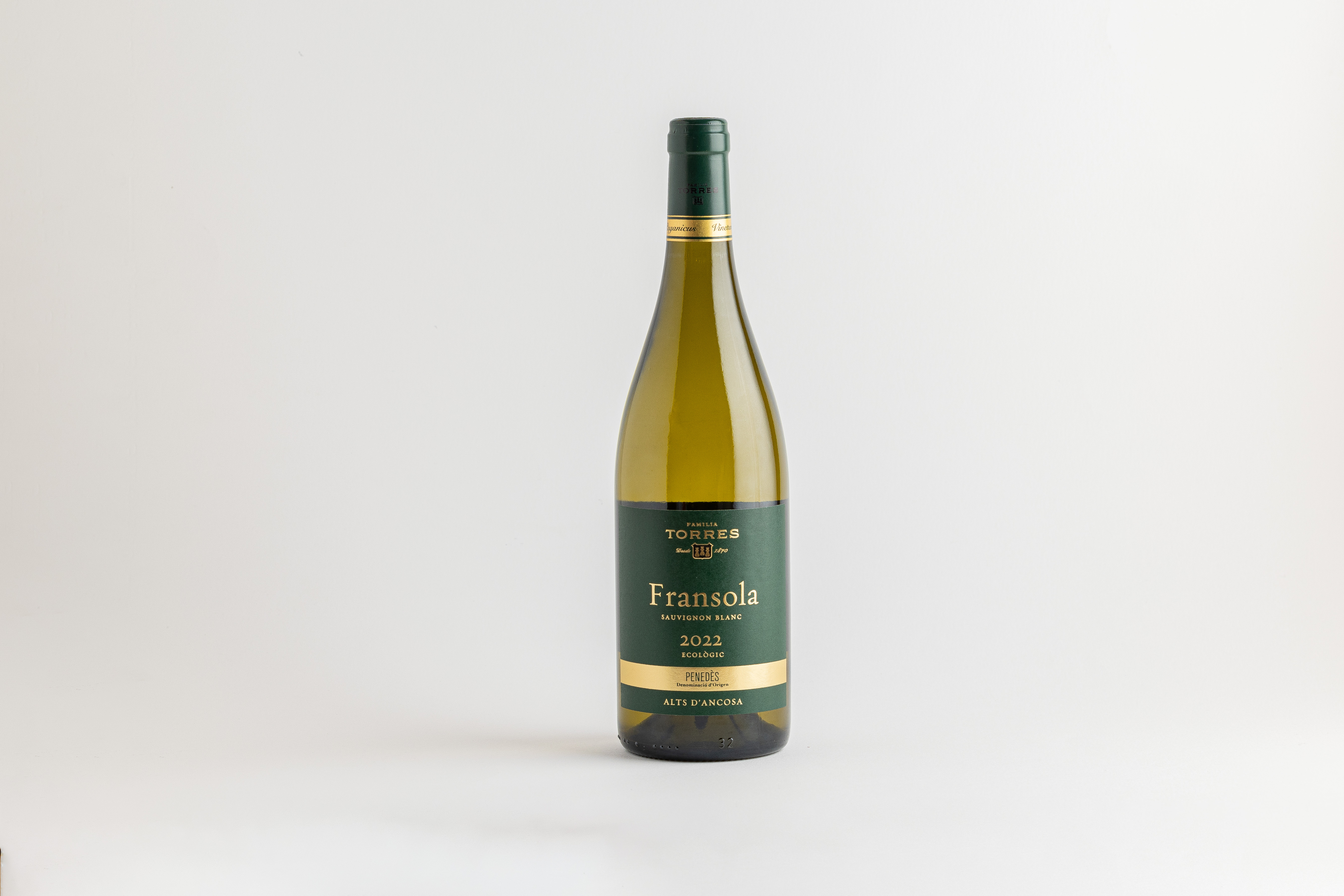
Fransola
The same estate is also home to Riesling vineyards, a variety that originally hails from Germany and Alsace, known for its acidity and ability to precisely reflect the identity of its soil. The grape is the essence of Waltraud, an aromatic, elegant wine that not only bears the name of the woman who inspired it (Waltraud Maczassek, a German artist and wife of Miguel A. Torres) but also showcases her work on the label.
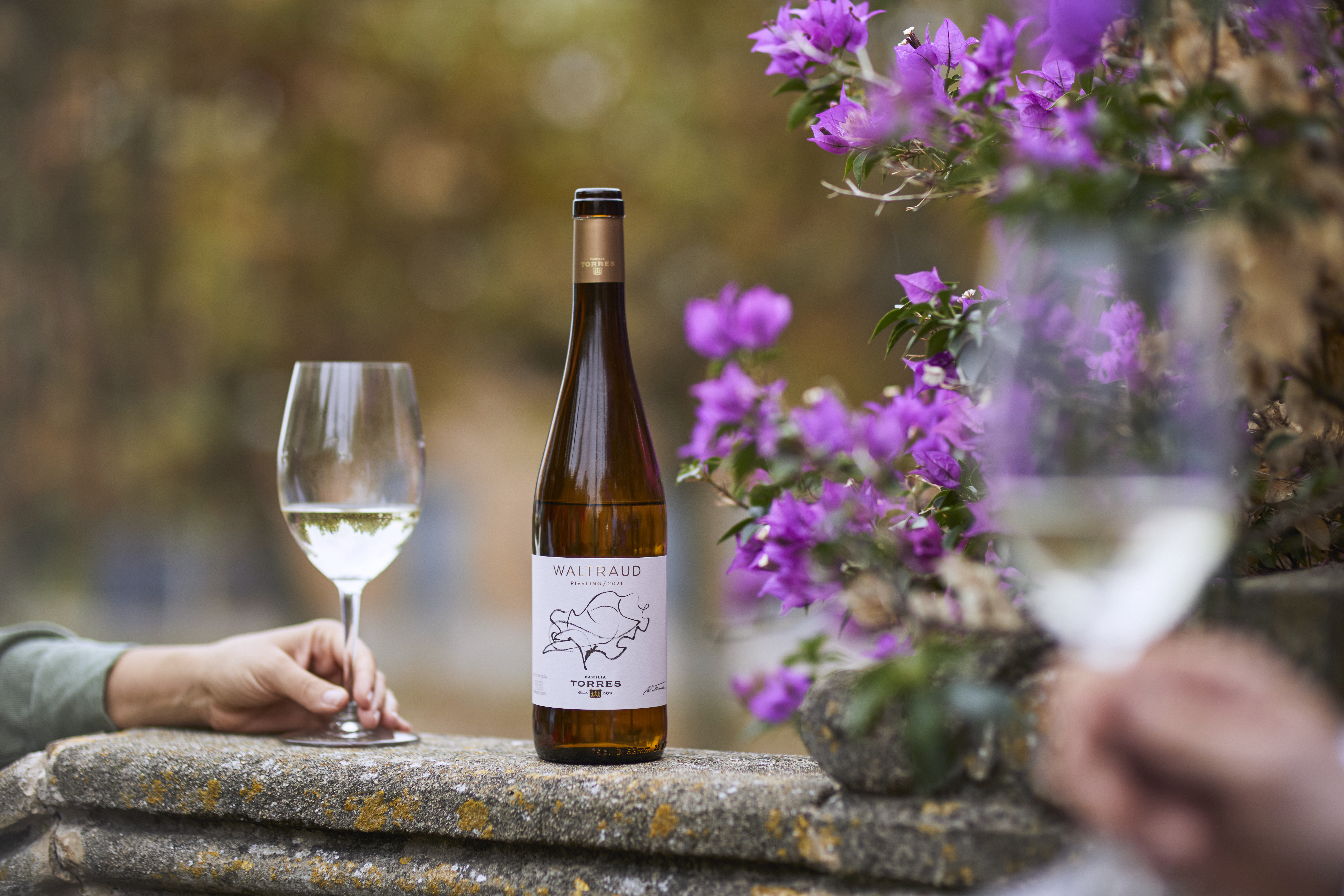
Waltraud
Among the world’s other great white varieties, we find Gewurztraminer, typical of Alsace, which displays somewhat low acidity and deep floral notes; and Italy’s Pinot Grigio, which has become a reference in terms of straightforward, light, easy-drinking wines associated with everyday consumption.
Exploring the world’s main white varieties is, essentially, a way of travelling. Each and every grape tells us about a climate, soil, and culture, providing us with insights into why white wines are living their best moment right now.