
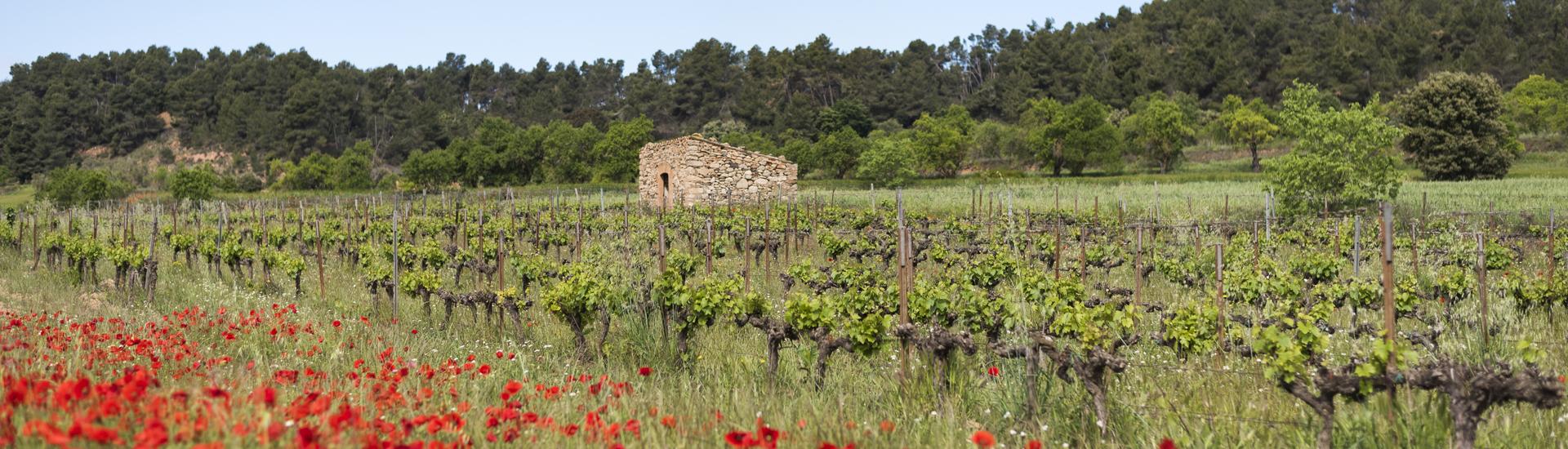
Más allá de la sostenibilidad
Cinco generaciones como productores de vino nos ayudan a tener perspectiva. Creemos firmemente en la sostenibilidad social, ambiental y financiera, aunando la tradición que hemos heredado con la constante innovación para encarar el futuro. Más allá de la sostenibilidad, nuestro legado es cuidar la Tierra para las futuras generaciones y devolver a la naturaleza y a la sociedad lo que nos han dado.
Sostenibilidad ambiental
Cuanto más cuidamos la tierra, mejor vino conseguimos
Ha sido nuestro lema durante generaciones, trabajando la tierra con el máximo respeto. Pero es necesaria una nueva forma de entender el vino para hacer frente al cambio climático. Con esta visión, nos esforzamos por reducir nuestra huella de carbono, a la vez que recuperamos variedades ancestrales de uva, fomentamos la investigación e implementamos la viticultura regenerativa, beneficiosa para las viñas y el planeta.
En 2008, intensificamos nuestro compromiso ambiental y creamos el programa Torres & Earth para contribuir a mitigar el calentamiento global reduciendo nuestra huella de carbono, adaptarnos al nuevo escenario climático y concienciar al sector y la sociedad de la necesidad de actuar. Nuestro objetivo en 2030 es reducir un 60% como mínimo nuestras emisiones de CO2 por botella en todo su alcance, desde el viñedo hasta el consumidor, y convertirnos en una bodega de cero emisiones netas antes del 2040 (objetivos relativos a todas las bodegas de Miguel Torres SA).
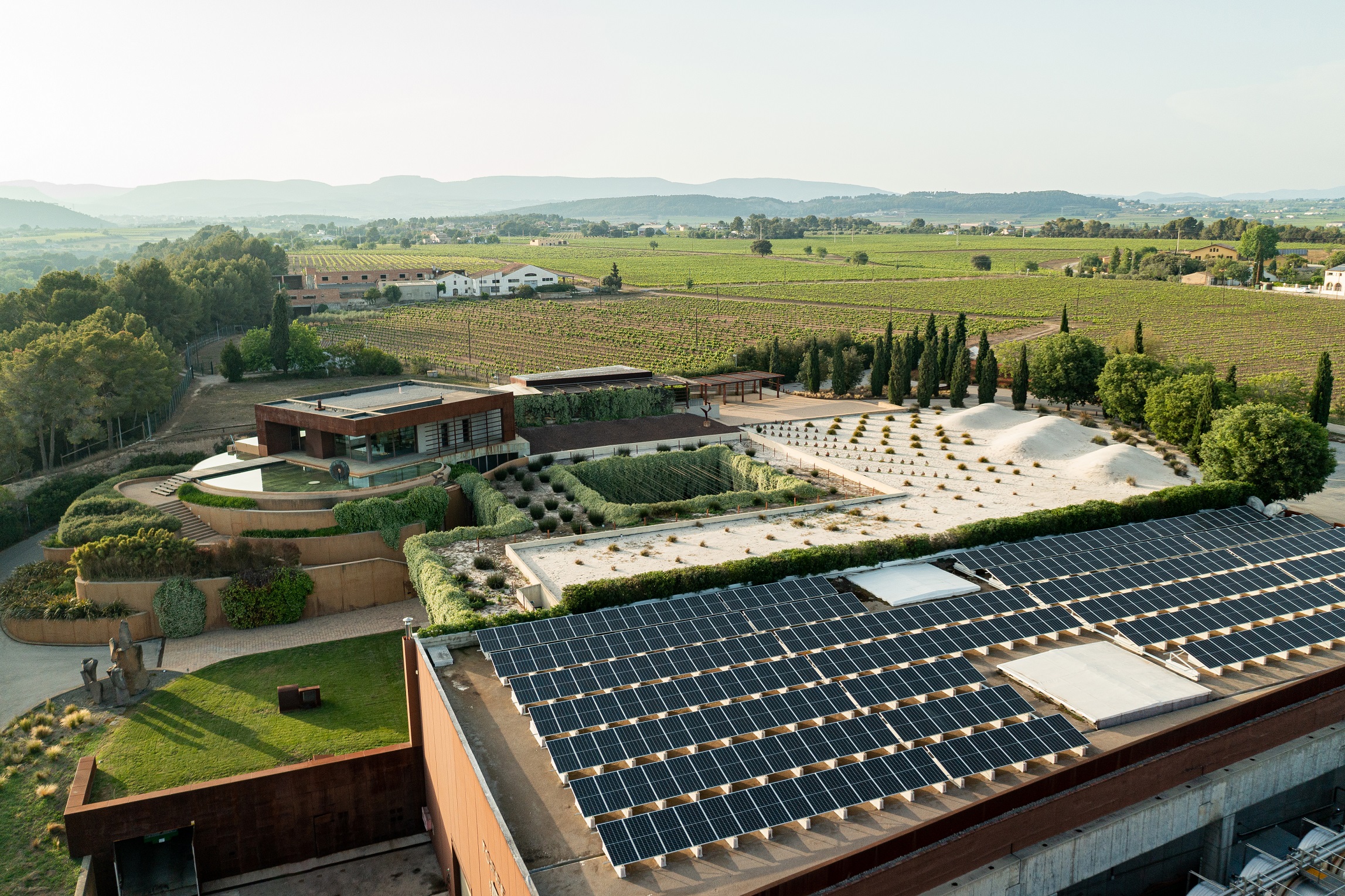
Familia Torres intensifica la aplicación de soluciones en toda la cadena de valor para reducir su huella de carbono
Familia Torres moves forward with its Torres & Earth environmental program to reduce its greenhouse gas (GHG) emissions.
Noticias
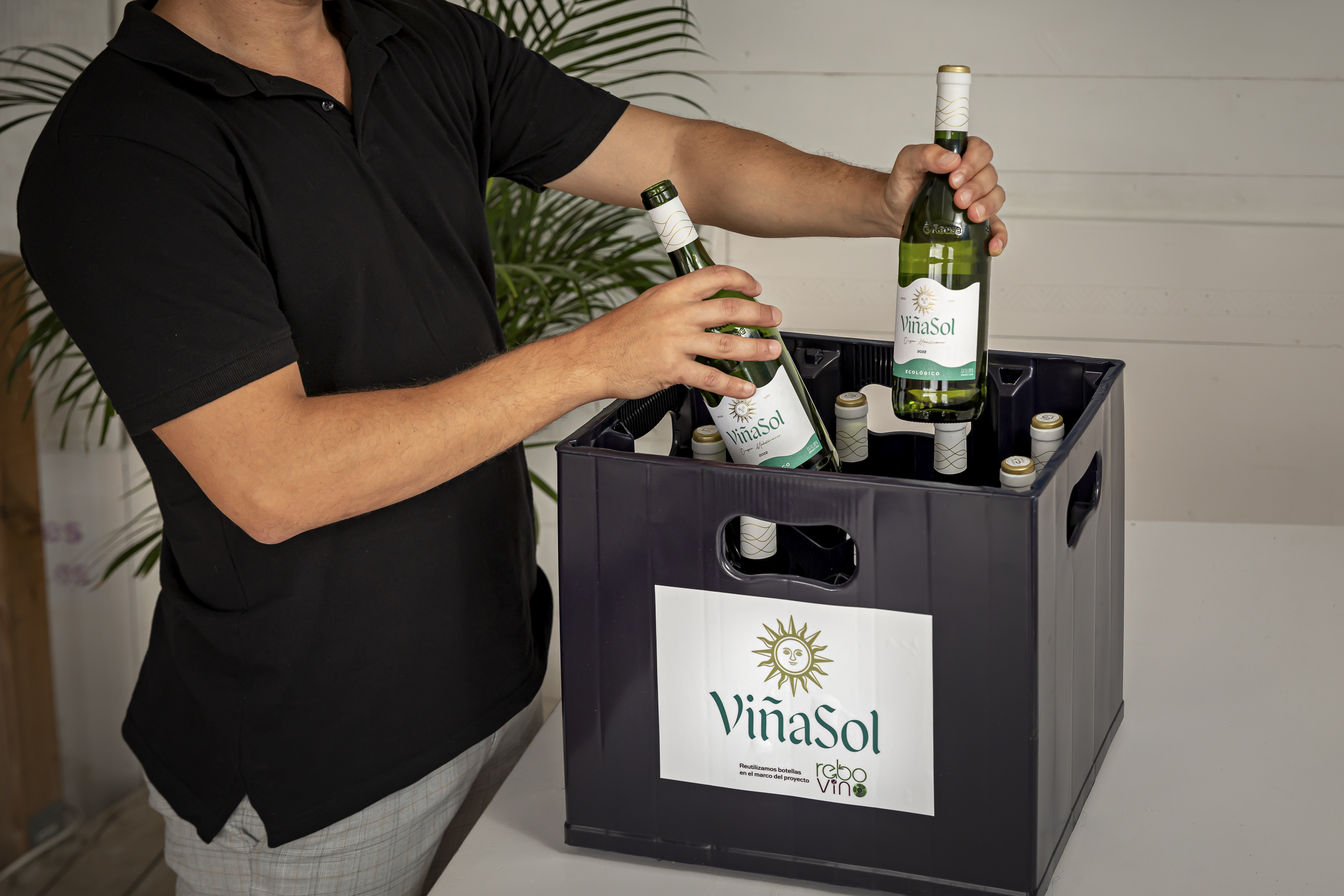
Familia Torres ensaya la reutilización de botellas de vidrio en restaurantes del Garraf
Familia Torres pone en marcha un ensayo piloto de reutilización de botellas de vidrio en la restauración para evaluar la viabilidad técnica, económica y medioambiental de este sistema.&nb
Familia Torres intensifica la aplicación de soluciones en toda la cadena de valor para reducir su huella de carbono
Se avanza en su programa ambiental Torres & Earth para reducir sus emisiones de gases de efecto invernadero (GEI).
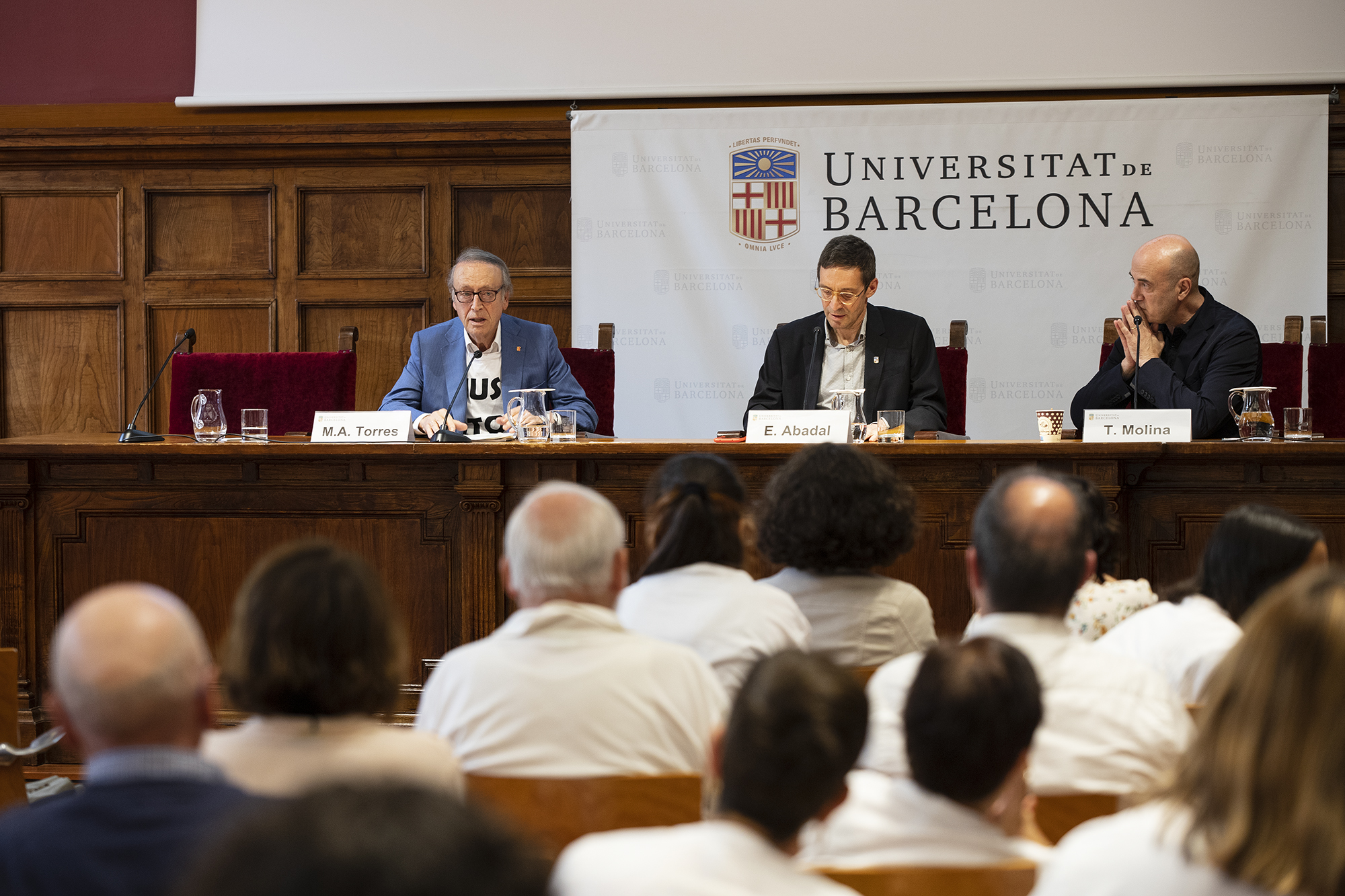
The XI Environmental Conference addresses eco-anxiety and the youth climate struggle
The XI Environmental Conference gathered on 7th June, in Barcelona, twelve experts and climate activists to talk about the effect of the ecosocial crisis.
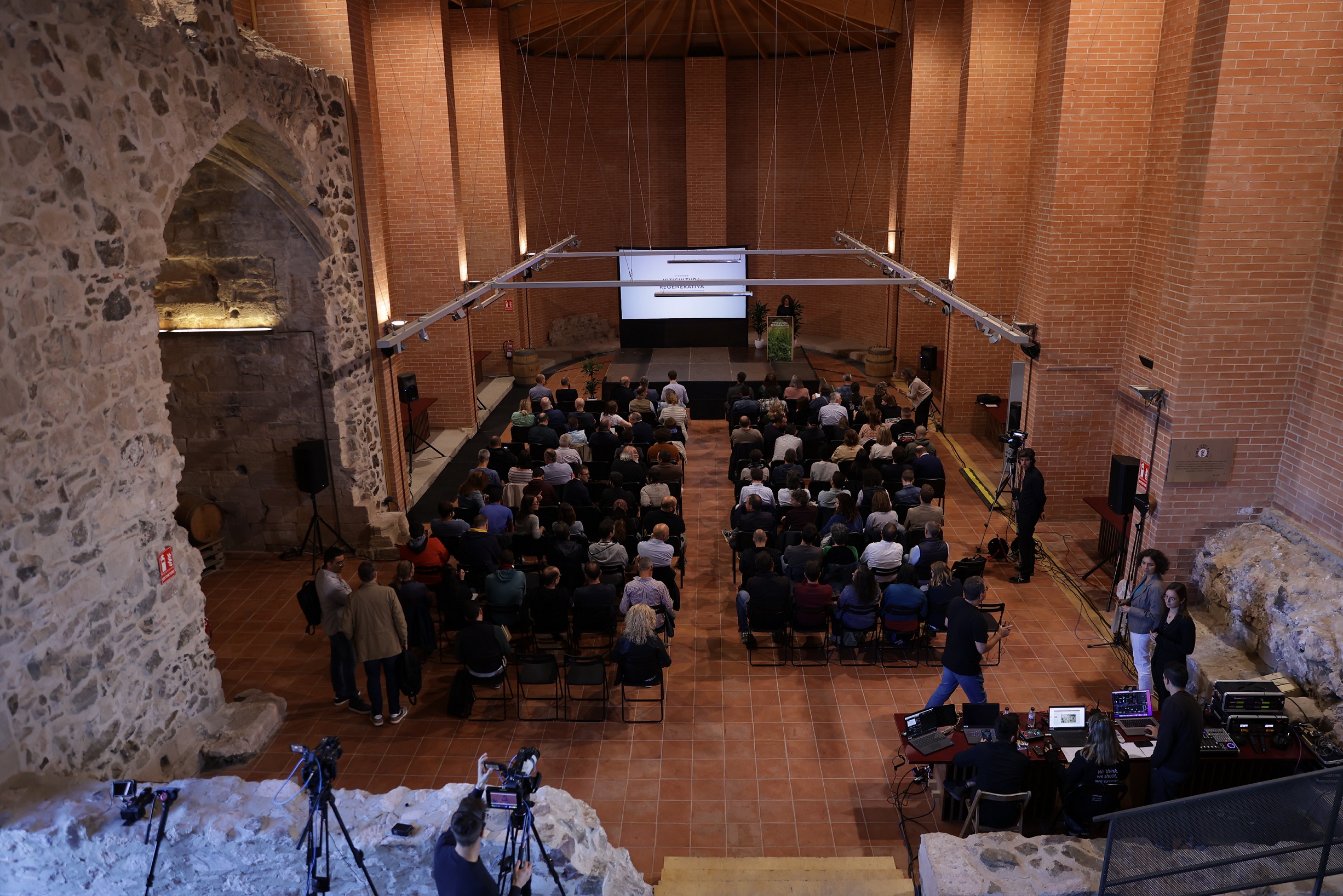
The 3rd Regenerative Viticulture Conference delved into how microbial soil life makes vineyards more resilient
The Association of Regenerative Viticulture held its annual Regenerative Vi

La XI Jornada Ambiental abordará el efecto del cambio climático en la salud mental y el futuro de los jóvenes
La UB acogerá el 7 de junio, de 10 a 13:30, en el Aula Magna, la XI Jornada Ambiental organizada juntamente con Familia Torres y el meteorólogo y profesor de Física de la UB Tomàs Molina.
Familia Torres otorga los VI Premios Torres & Earth para distinguir acciones contra la emergencia climática
Familia Torres ha celebrado los VI Premios Torres&Earth, que reconocen las acciones encaminadas a reducir las emisiones de CO2 y aquellas que ayudan a concienciar sobre la emergencia climá
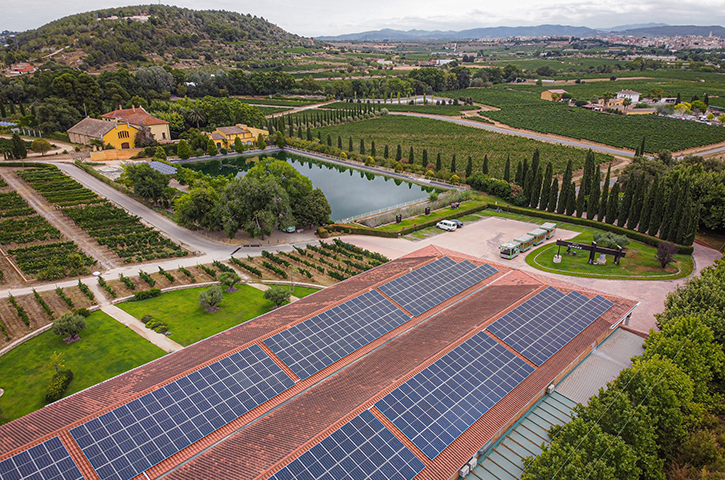
IWCA 2022 Annual Report released: Setting the agenda for wine industry decarbonization globally
IWCA 2022 Annual Report released: Setting the agenda for wine industry decarbonization globally.
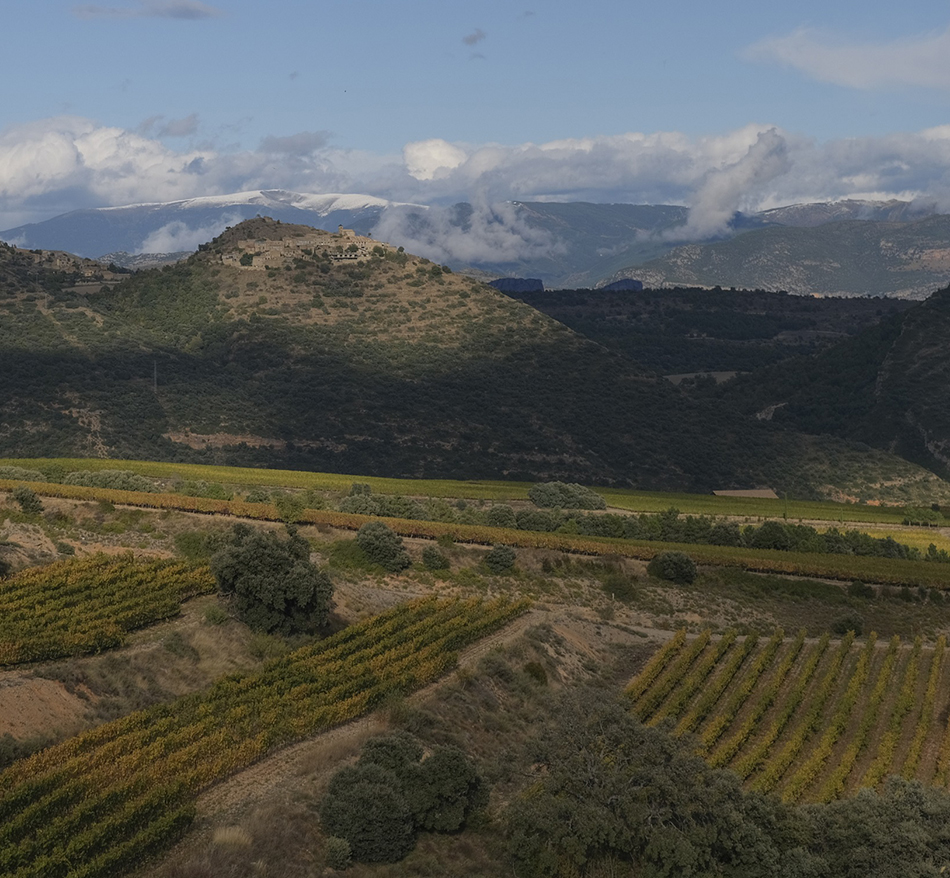
Pirene 2020, a new ancestral wine by Familia Torres from the foothills of the Pyrenees
Pirene is the fourth Familia Torres wine made from recovered ancestral varieties and the second varietal wine.
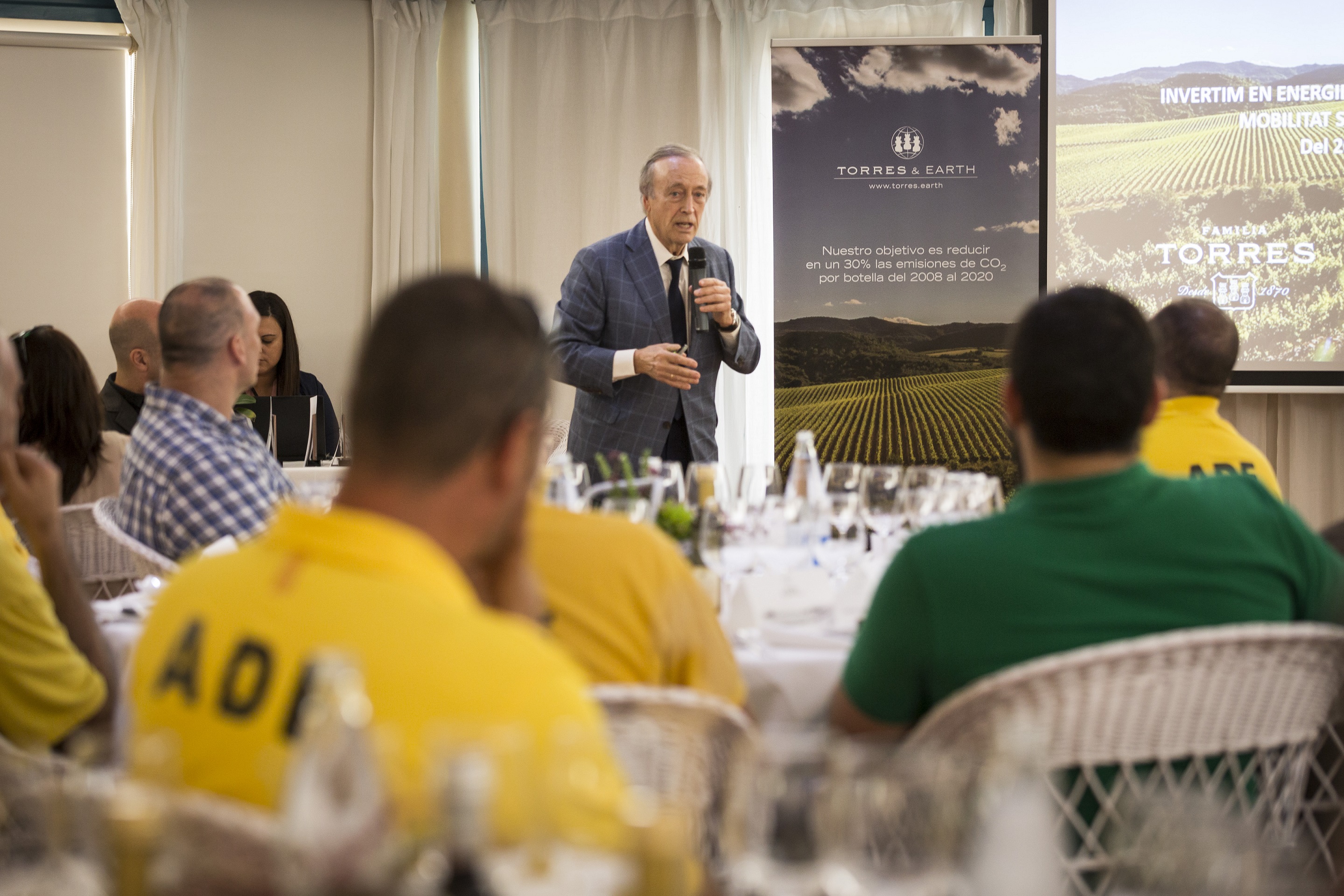
Familia Torres reconoce los esfuerzos de las ADF contra el cambio climático en los II Premios Torres & Earth al Voluntariado
Familia Torres abre una nueva convocatoria de los Premios Torres & Earth al Voluntariado.
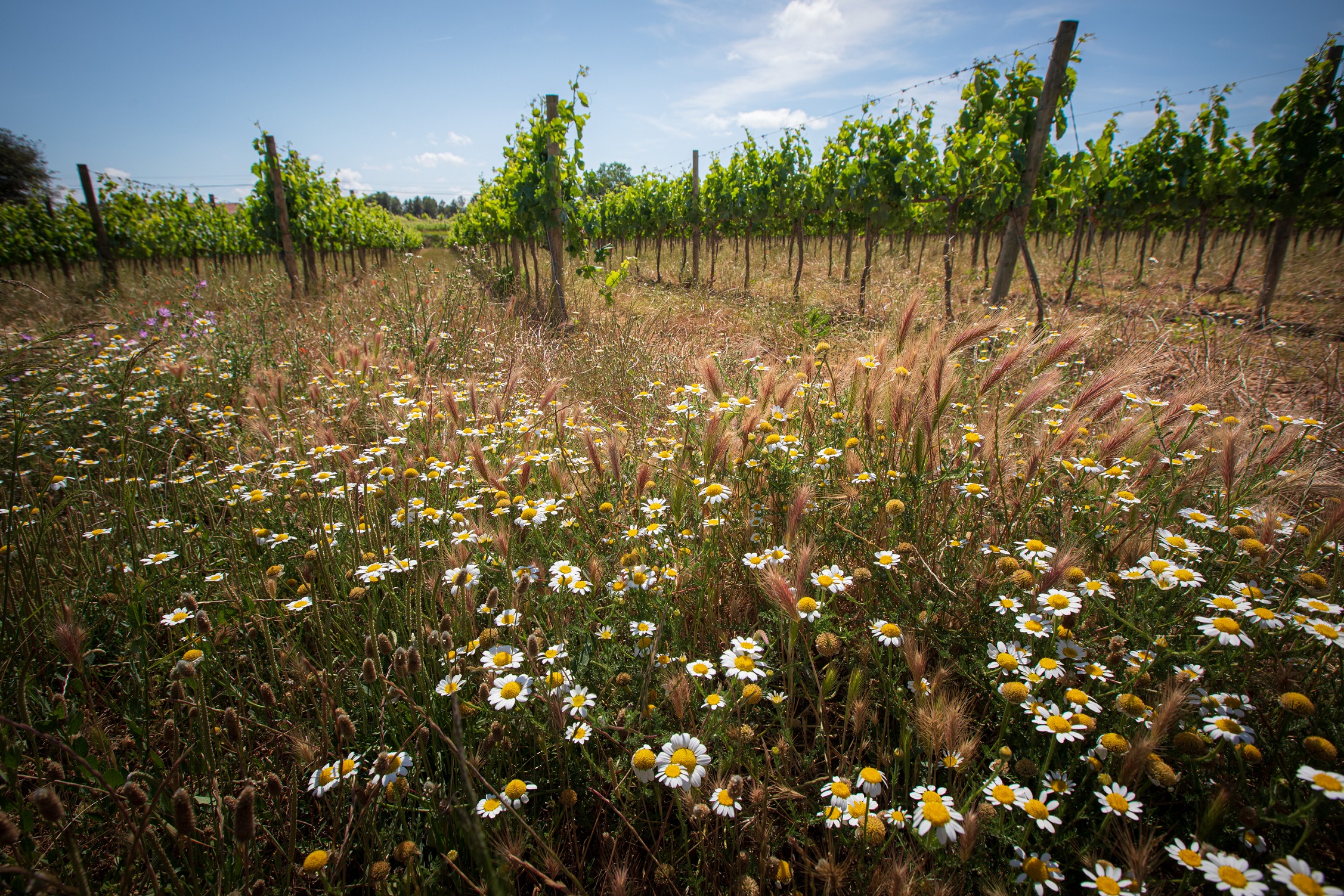
The first international certification in regenerative viticulture comes into force
The Regenerative Viticulture Alliance (RVA) international certification is the highest standard in
Regenerative Viticulture
We are committed to transforming our organic vineyards with the regenerative viticulture model in the belief that it is the only model that can help combat climate change. Regenerative viticulture recovers the natural fertility of the soil, prevents erosion, and encourages biodiversity.
In short, regenerative viticulture is a method that focuses on restoring life to vineyard soils by imitating exactly how nature works in a natural environment. The more life in the soil, the greater the capacity to capture atmospheric CO2 and to stop rising temperatures. Simultaneously, the accumulation of organic carbon in vineyard soils improves soil health, increases resilience to erosion, and the capacity to prevent drought owing to increased water-holding properties. It also encourages greater biodiversity to create a balanced ecosystem that benefits both the vineyard and your environment.
Mitigation
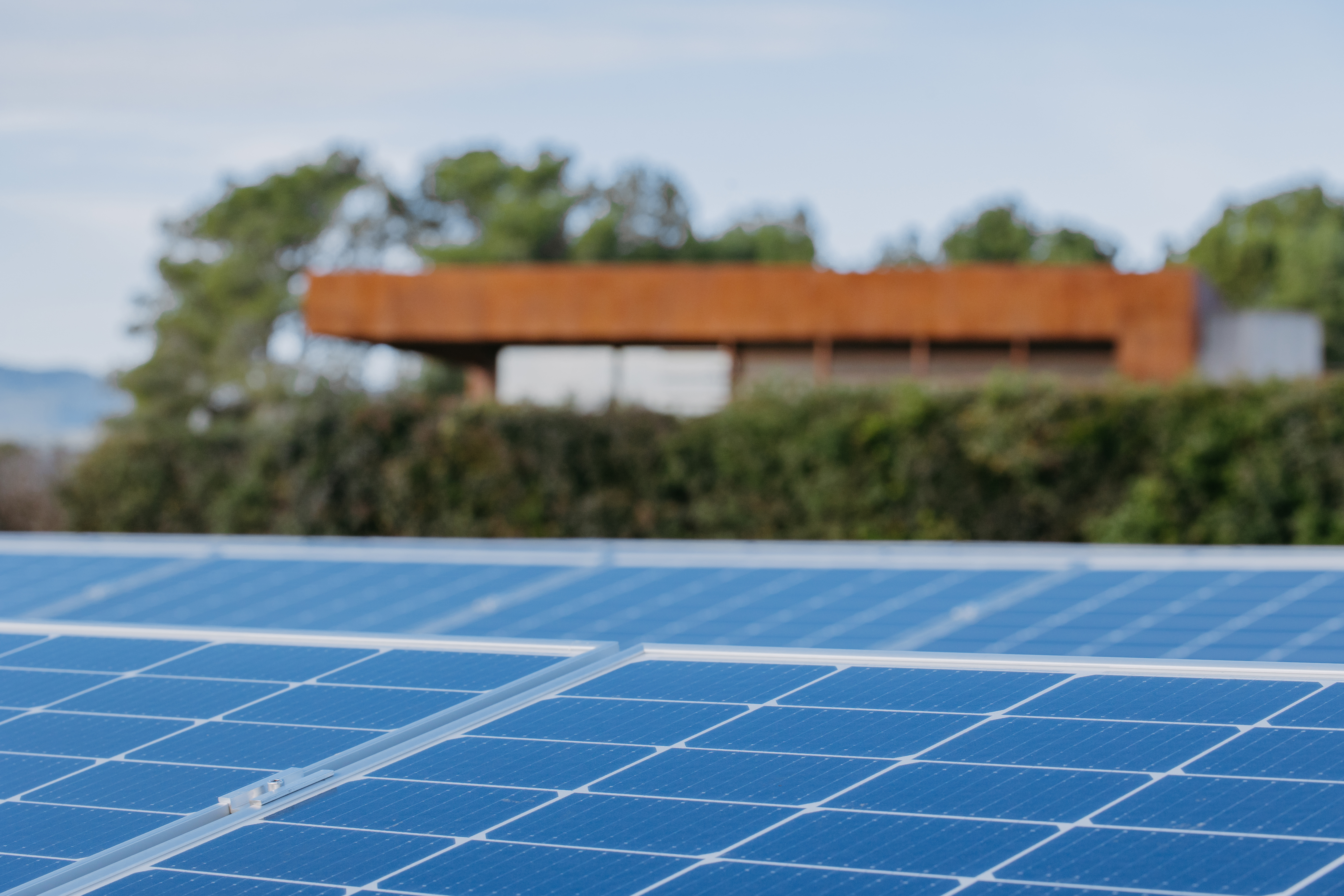
The actions that most help us to reduce our CO2 emissions are the generation of our own renewable energy, which – it is responsible for 39% of the energy we consume in the Penedès cellar – energy efficiency measures and sustainable mobility (the plan to increase the fleet of electric vehicles, electric car sharing ...). We have also reduced the weight of our bottles and we are now looking to reuse, manage and recycle the waste generated, optimise our water resources and vineyards, bet on regenerative viticulture.
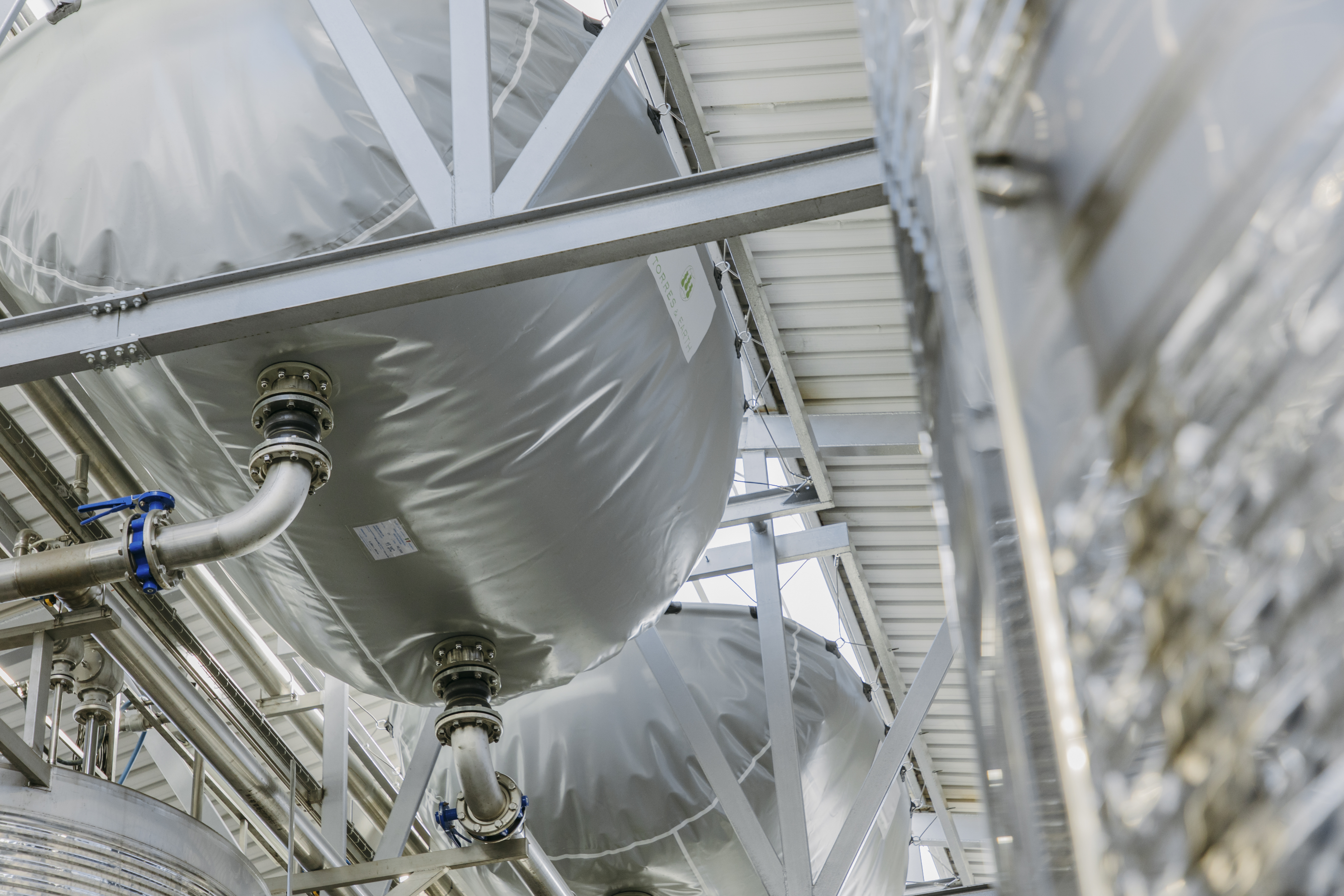
We capture and reuse the CO2 produced during fermentation in a pioneering circular economy project at the Penedès winery. CO2 is reused as an inert gas to protect the wine while in the vats.
However, the project that will help us to capture more atmospheric CO2 in the coming years is the reforestation of our estate in Patagonia, Chile, where we aim to plant two-thousand trees before 2030.
Adaptation
To reduce the impact of rising temperatures on winegrowing, we are adapting our vineyards using cultivation methods to delay grape ripening. We are also implementing new technologies for precision viticulture such as drones, satellites, and sensors to maintain the quality of our wines. With future generations in mind, we are looking for new environments in which to plant our vineyards, higher altitudes where the climate is cooler. As a result, we have planted vines in Tremp in the Catalan Pyrenees at 950 metres above sea level, and in Els Tossals de Porrera, which, at 950 metres above sea level, is the highest zone in Priorat with llicorella soils. We are also investigating Benabarre in the Aragón Pyrenees at 1,200 metres above sea level, although for now it is still too cold there to plant.
We are also focusing on recovering ancestral varieties that, as well as being oenological treasures, are able to adapt to high temperatures and drought. Miguel A. Torres initiated this passion project in the early 1980s to recover ancestral varieties on the brink of extinction with the aim of rediscovering our winegrowing heritage before the onslaught of the phylloxera plague. Thanks to the fifth generation’s insightful determination, the project now focuses on those varieties that might become the solution for the future of winegrowing. Of the more than 50 recovered varieties, we are focusing our efforts on six: Forcada, Moneu, Querol, Garró, Gonfaus, and Pirene. We want to make unique wines adapted to climate change that reflect our wine history, heritage, and diversity.
Research
We have allocated important resources to research with the aim of finding ways to adapt to and mitigate the effects of climate change. One of the areas we are investigating, in collaboration with universities and other businesses, is the development of CO2 capture and reuse technologies or CCR technologies (Carbon Capture and Reuse).
We also participate in and lead national and international projects to study the influence of climate change on vines and wines to facilitate new adaptation and mitigation processes.
Awareness
We encourage our collaborators and suppliers to share in our commitment to environmental best practices and to reduce their own CO2 emissions. Every year, we hold the Torres & Earth Awards to recognize the commitment of supplies, regions, and communicators in the fight against climate change. We also participate in the yearly Environmental Sessions held at the University of Barcelona.
We all must act at every level, in every sector, and around the globe to decarbonize the economy, work together, and share knowledge. With this aim, we joined forces with Californian winery Jackson Family Wines in 2019 to found the International Wineries for Climate Action, and in 2021, together with four other partners, we created the first Regenerative Viticulture Association in Spain.