
From Wine Lover to Connoisseur in 5 Easy Steps

By Laura Conde, wine writer
appellations of origin. We shouldn’t worry about our lack of expertise either. We can enjoy cheese, coffee or olive oil without grasping every single nuance – the same goes for wine.
What matters is that we like it. Beyond that, we can pick up a few basic ideas to help us better understand what we are drinking and making more informed choices. But no stress: this isn’t about accumulating information just because or an exam to pass or fail. After all, the primary purpose of wine is to be enjoyed. These five steps provide a good place to start.
1. Learning to differentiate the main types of wine
In broad strokes, we can differentiate between white, rosé, red, sparkling, and dessert wines. But this classification is just the starting point, because within each of these groups, we find different styles. Among whites, for example, we have fresh, light, young wines – generally without oak ageing – and others fermented or aged in barriques that might display more body and toasty, vanilla or dried fruit aromas.
We can differentiate between young reds, which are usually fruit forward, and oak-aged reds, which might develop spicy and toasty notes and greater complexity. Rosés also offer different styles, ranging from fresh, light wines with a pale hue to more full-bodied ones with red fruit aromas.
Sparkling wines also reveal differences depending on how they are made – some, like cava, undergo a second fermentation in the bottle; others, like most prosecco, ferment in pressurized tanks. Finally, dessert wines also owe their style to different winemaking methods, from using over-ripened grapes to letting grapes freeze on the vine to interrupting fermentation to preserve part of the natural sugars.
With these ideas in mind, we will have an easier time deciphering a wine list or going into a store without getting overwhelmed. Most importantly, we will figure out what we like and keep exploring in that direction. It is worth remembering that aged wines aren’t necessarily better than young wines, or that we will enjoy a wine more simply because it has a higher price tag.
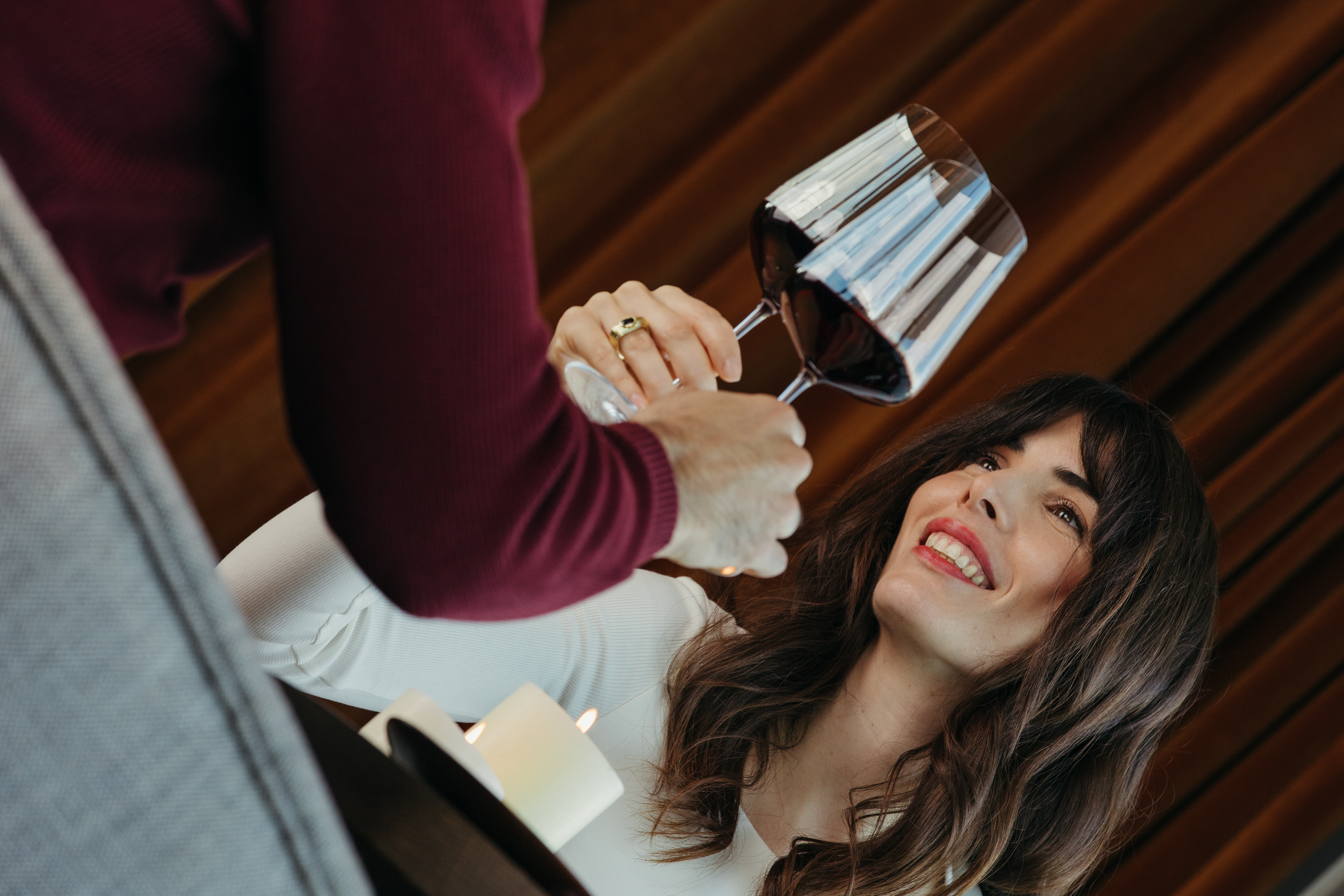
Toasting with red wine
2. Understanding the most common grape varieties
The grape variety provides one of the first clues to help us understand the character of a wine. Among whites, for instance, Sauvignon Blanc usually offers herbaceous and citrus aromas and crisp acidity. Chardonnay is particularly versatile, producing fresh, light wines as well as full-bodied whites when aged in oak. Albariño, the flagship grape of Rías Baixas, is known for its freshness and acidity, whereas the variety par excellence of Penedès is Xarel·lo, which can produce fresh whites with good acidity and a certain amount of structure.
When it comes to reds, Garnacha usually yields fruity wines with red fruit notes and a relatively high alcohol content in warm climates. Widely cultivated in regions like Rioja or Ribera del Duero, Tempranillo offers red and black fruit notes and is well suited to oak ageing. Cabernet Sauvignon stands out for its firm tannins and structure.
How do we learn to tell them apart? By tasting wines made from different grape varieties. For instance, comparing an Albariño like Pazo das Bruxas and a Chardonnay like Milmanda, both from Familia Torres, helps us understand how different two white wines can be. The same exercise can be done with reds made from different varieties, paying close attention to the fruit aromas, acidity, body, and tannins.
That said, remember that grape varieties don’t tell the complete story: climate, soil, harvest time, and winemaking decisions also influence the result.
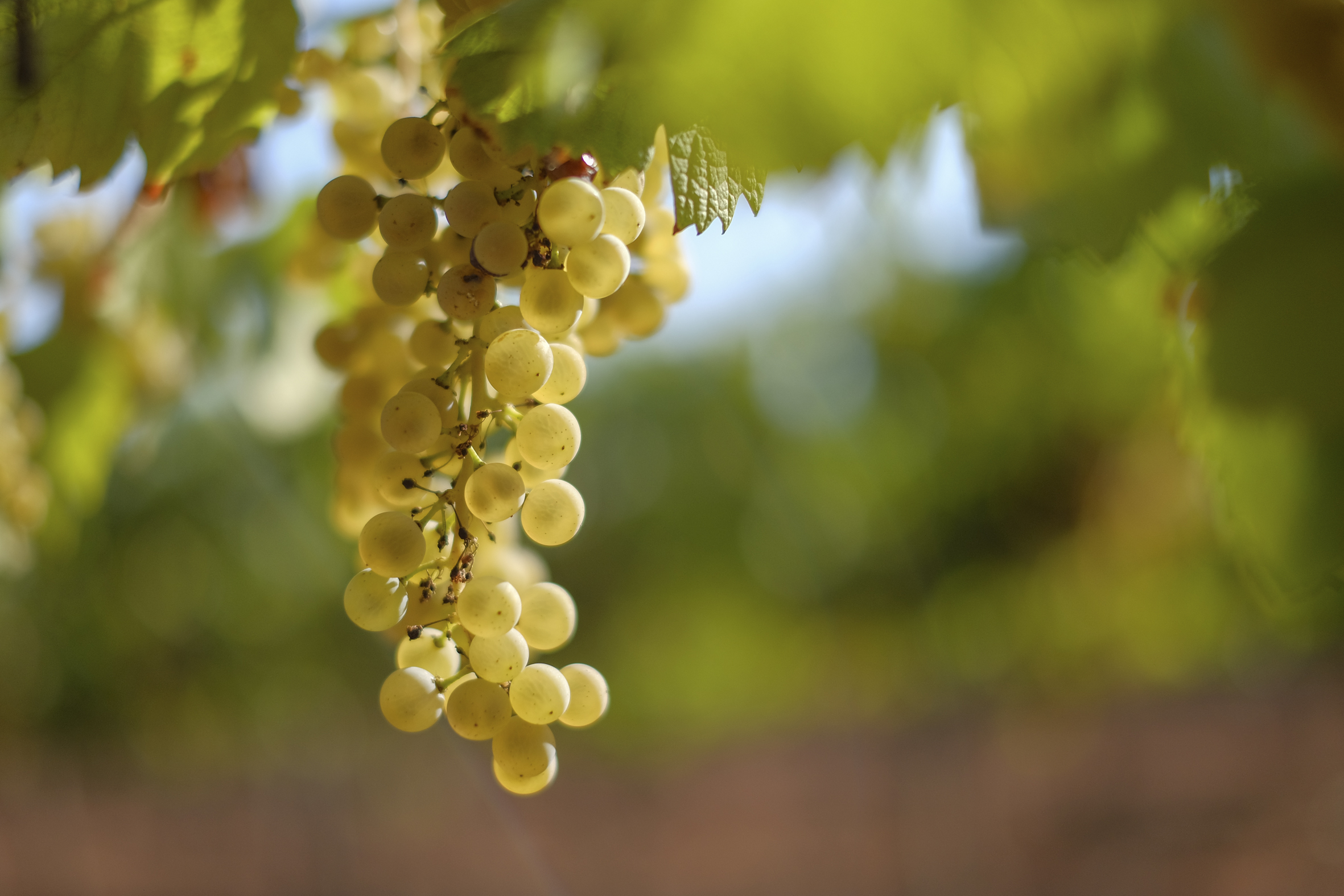
Chardonnay grapes, a Familia Torres property
3. Tasting Kept Simple
To taste a wine, all it takes is three steps: observe, smell, taste. Opt for a clear glass with an opening that is slightly wider than the body – this helps concentrate the aromas.
First, gauge the appearance. Tilt the glass slightly against a white background and observe the colour, intensity, and nuances. A young white might present pale or greenish yellow hues, whereas older whites develop shades of gold. With reds, violet hues are commonly found in young wines, whereas brick or orange nuances can indicate older, more mature wines.
Next, the nose. First, smell the wine without moving the glass. Then, gently swirl the wine to release its aromas. We might encounter aromas reminiscent of fruit, flowers, herbs or spices, as well as notes of vanilla, toast or dried fruit, which certain wines acquire during oak ageing. We don’t have to determine whether an aroma reminds us exactly of a blackberry or a plum. It suffices if we can identify a predominance of fruit, floral, vegetative or wood-imparted notes. Everything else will follow on its own.
Finally, the palate. Start with a small sip and pay attention to a variety of sensations. Acidity causes our mouths to salivate and adds freshness; sweetness is the perception of residual sugar; tannins, which are especially noticeable in red wines, produce a dry or astringent sensation along the gums and tongue. Other interesting sensations relate to the body – the feeling of volume or weight the wine leaves in the mouth – and length, which refers to how long the flavours persist after we have swallowed or spit out the wine.
A balanced wine displays a harmonious relationship between acidity, alcohol, tannins, and other components, although one might stand out a little more than others. And, of course, a technical evaluation of a wine isn’t the same thing as enjoying it: the two don’t always coincide.
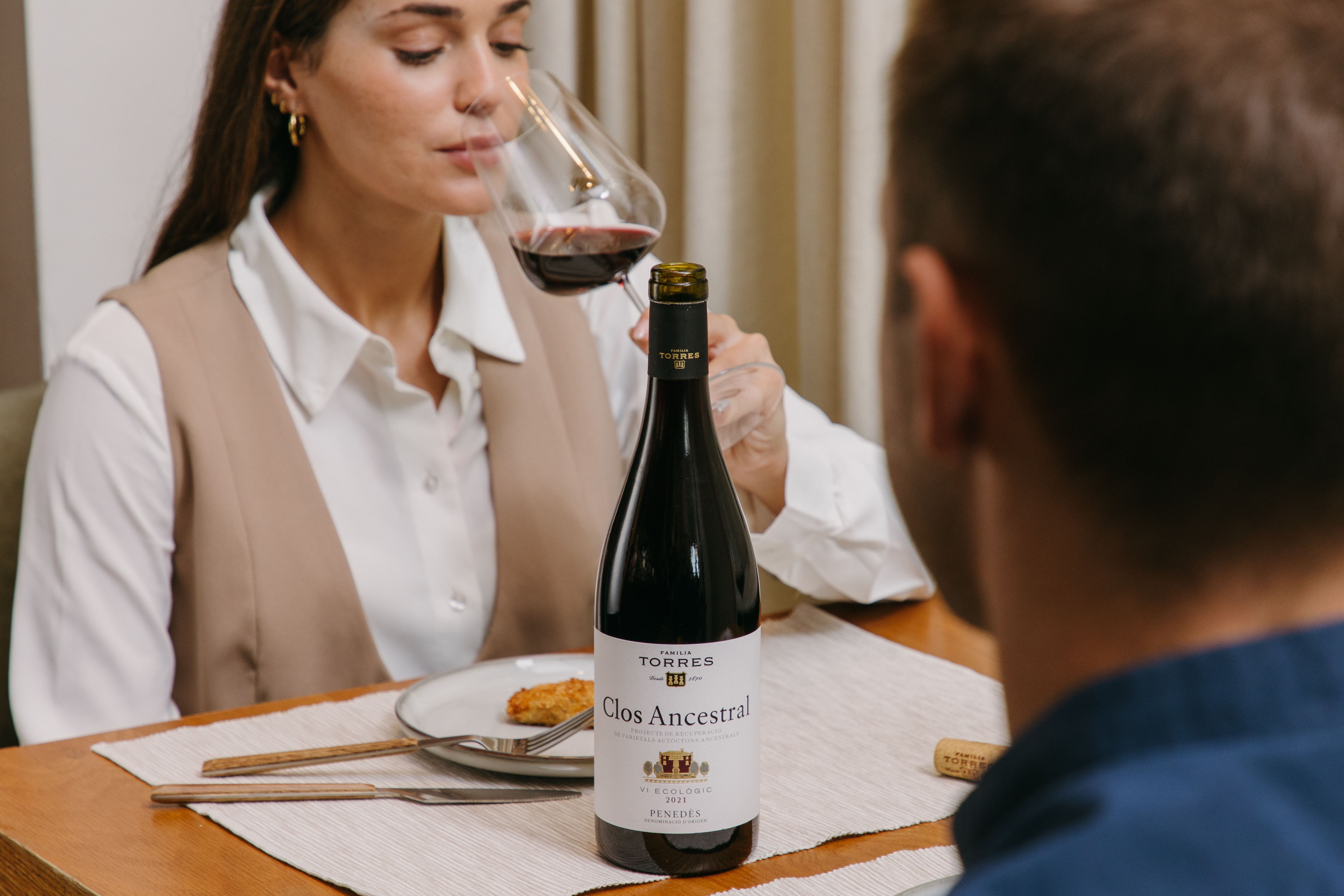
Tasting Clos Ancestral Tinto from Familia Torres
4. Knowing how to read a label
A wine label contains more information than we might think. The appellation of origin provides information about the wine’s provenance and the winemaking regulations that it had to meet. The vintage indicates the year when the grapes were harvested, while the alcohol content can provide clues about the wine’s style.
It is also worth overcoming our fear of asking questions. When shopping at a specialized wine store, it is often more useful to explain the kind of wine we like, what the occasion is, and how much we would like to spend instead of picking a bottle based on its price or pretty label.
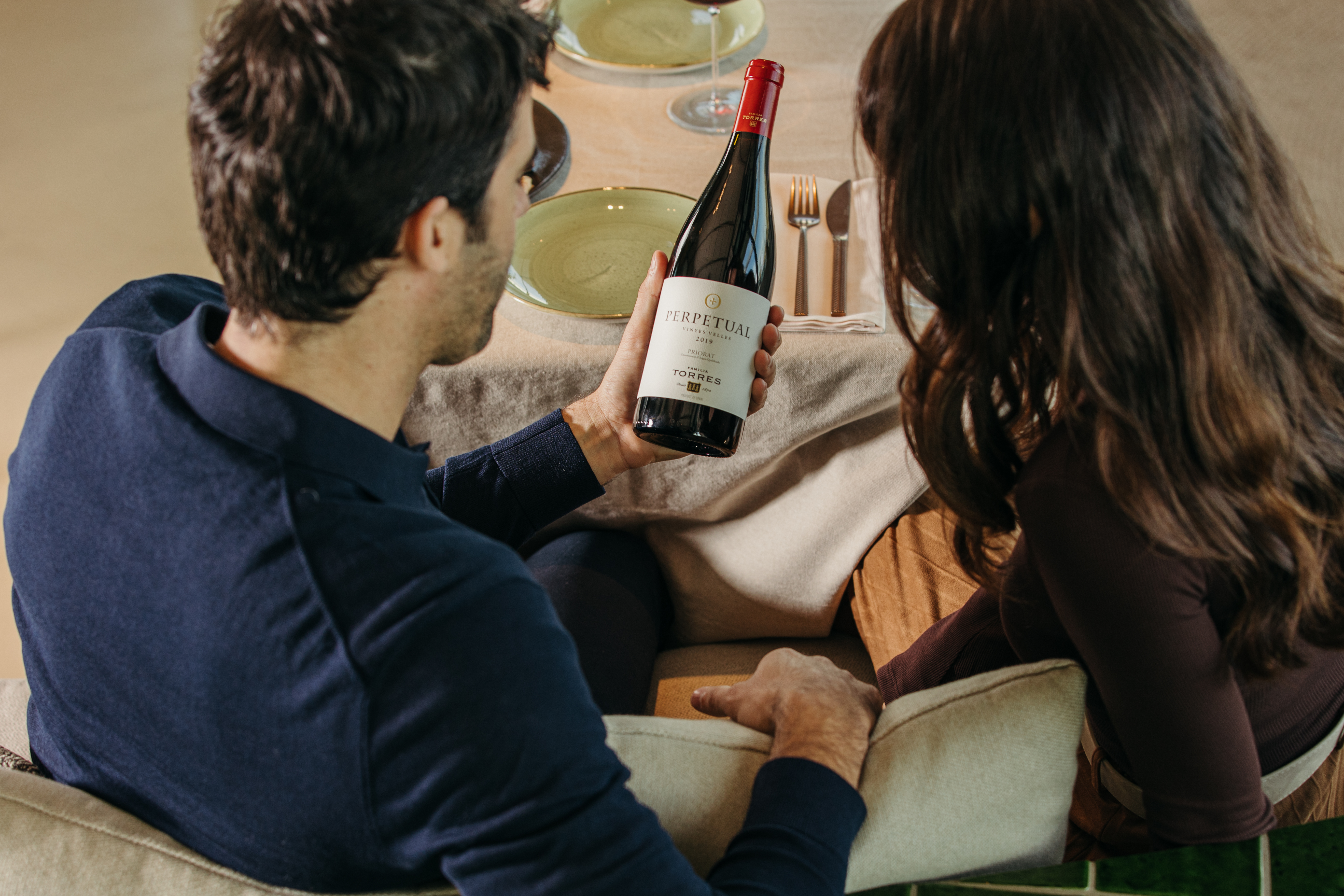
Examing the label on a bottle of Perpetual, a Familia Torres red wine
5. Try, buy, remember
This is without a doubt the most important step. We build our understanding of wine by tasting it. A good place to start is to organize small, informal wine tastings with friends, ideally without any prior knowledge of what wine is in each glass. This makes it easier to concentrate on the sensations without having the price, brand or fame condition our perception.
Taking a few simple notes is also useful: the name of the wine, the aromas we identified, the sensations on the palate, and, most importantly, whether we liked it and why. Over time, these observations help us recognize styles and make more informed decisions.
A final recommendation: don’t obsess over getting it right. There is a technical component to wine that we can learn, but wine is also largely subjective. Being knowledgeable doesn’t consist in using complicated jargon, giving long boring speeches or always identifying the aroma described in the tasting note, but in developing tools and skills to better understand what we are drinking.