
Tips for Wine World Beginners

Are you curious about wine culture but feel overwhelmed by the amount of information out there?
Making the right choice starts with deciphering the label
• Bold or austere, elegant, classic or rebellious – there is more to a label than its look. Knowing how to interpret the information it provides, being able to read between the lines, can be incredibly useful when it comes to choosing a wine to match our tastes.
The wine’s provenance, vintage, varieties, oak ageing (or lack thereof) tells us more than you might imagine. A close reading and interpretation of these factors will fine-tune your selection and prevent unwanted surprises.
Provenance
• Warm climate regions tend to be more stable in terms of their annual average temperature. This means the gradual decrease in temperature from summer to autumn helps the grapes ripen successfully, even if at the expense of some of the fruit’s natural acidity.
Wines from warm vs cool climates
• Las regiones de clima cálido tienden a ser más estables en su temperatura media anual. De este modo, el progresivo descenso de las temperaturas ocurrido entre verano y otoño ayuda a la exitosa maduración de la uva, si bien resta parte de la acidez natural de la fruta.
Warm climates produce grapes with riper notes and lower acidity. Alcohol content tends to be high. On the palate, the wine produces a mouthfilling sensation, a feeling of volume.
• In terms of cool climates, it is worth noting that the maximum temperatures in many of these countries are comparable to those in countries with milder climates. What happens is that the change in temperature during the harvest season occurs much more abruptly – a decisive factor in the wine’s aroma and flavour profile.
Cool temperatures preserve a high level of the fruit’s natural acidity, giving wines a crisp, fresh sensation that makes them seem lighter on the palate.
• The ripeness of the fruit at harvest time also provides us with essential information to understand the style of wine and know if it is what we are looking for. But…where can we find this information?
• Words like “round or ripe tannins” tend to refer to wines in which the perception of fruit is warm and ripe.
• The term “balanced” indicates that the wine has a decidedly fresh profile with intense acidity.
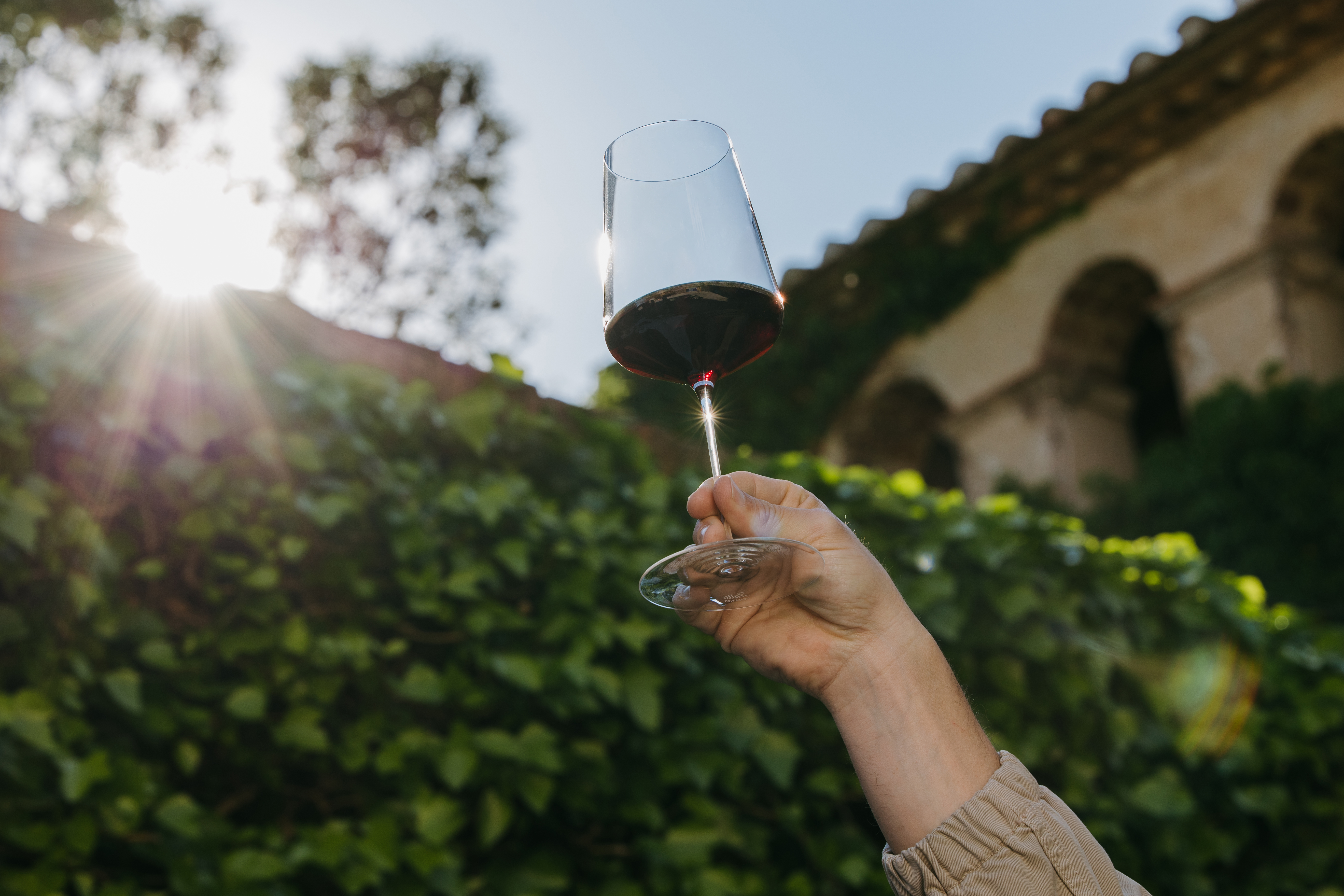
When it comes to temperature, it is important to follow the recommendations given on the label. Otherwise, we risk exposing the wine to two potential problems: excess cold will nullify any interesting aromas, whereas too much heat will make our wine
Important: vintage, varieties, and length of ageing
• Let’s start with the assumption that all wines brought to market are meant to be drunk relatively soon thereafter. Even so, the characteristics of the vintage still matter, very much so, in fact. They can add nuances of fully ripe fruit to a cool climate wine and vice versa; a warm region might have experienced a cold summer, thereby accentuating fruit acidity.
We can identify early-harvest vintages when the acidity dominates the wine. By contrast, when the fruit offers intensely warm notes, we have a wine made from fully ripened grapes.
• As you can see, the climate-ripeness relationship once again proves essential to understanding a wine. However, the effects of climate change threaten to deepen the divide that causes inconsistencies between vintages.
Grape varieties
• Much like with fruit, we will inherently prefer some varieties over others. That said, the same variety can offer very different nuances depending on its provenance.
• By understanding that not all varieties display the same potential for oak ageing, we’ve already made great progress. From here on, let your organoleptic preferences decide.
• If you prefer light fruit freshness in red wines, you’ll do well to avoid lengthy barrel ageing since the oak masks the true expression of the fruit.
• By contrast, if you’re seeking a certain amount of complexity and nuances, partial oak ageing (3–8 months) will add complex notes of vanilla, tobacco, and coffee; soften tannins; and contribute to the colour and stabilization of the wine.
Young wines are impetuous, energetic, and lively. After silently reposing in oak, the wine transforms, bringing us a riper and more balanced version of itself. Fruit notes represent the cheerful, exuberant side of wine, whereas oak-imparted notes, with their spices and warmth, allude to experience and invite a more contemplative enjoyment. After reaching its peak, wine begins a period of decline. Now it is up to you and the wine’s essence whether it will age gracefully and leave a mark.
After having seen how provenance, climate, vintage, varieties, and oak ageing influence the style of a wine, knowing where to start your selection process might seem daunting.
To help you put all the above into practice, we at Familia Torres would like to present you with four wines that are very different in style, each one exemplifying some of the concepts we just discussed.
Clos Ancestral Tinto (DO Penedès)
• Clos Ancestral is an organic wine that blends the recovered ancestral Moneu with a mix of indigenous varieties like Ull de Llebre (Tempranillo) and Garnacha from 30 to 40-year-old vines, vinified separately to bring out the full potential and expression of each variety.
Deeply opaque cherry red colour. Delicate nose with fine floral (violet) and fruit (red currant jam) notes. Supple, light, smooth as it unfolds across the palate, but with a pleasant, very sensual texture, foregoing power in favour of an identity that draws on excellent acidity and an unusual, unmistakable personality. Elegance and sophistication.
Malpastor (DOCa Rioja)
• La Carbonera is Familia Torres’s winemaking project in Rioja Alavesa, specifically in Labastida, with a focus on provenance and typicity to produce unique wines that express the landscape of this historic region.
• Malpastor is a wine that pays homage to the origins of Tempranillo in La Rioja, as well as to all of the knowledge acquired since. An elegant wine that combines typicity and modernity, where varietal fruit aromas and subtle oak strike a perfect balance.
A champion of Tempranillo, Malpastor is an intense, fragrant wine with delicious aromas of fruit and spices, and notes reminiscent of toast. The tannins are velvety and juicy, subtly rounded by oak ageing. Ripe on the palate, full-bodied, with good acidity; round and full. A modern Rioja, versatile, with a subtle integration of oak, which does not define, but shapes and accentuates the varietal profile.
Celeste Roble (DO Ribera del Duero)
• Situated at almost 900 metres, Pago del Cielo is home to Tinta Fina vines that have adapted to the region’s extreme temperatures, acquiring a distinctive personality that has no need for varietal blends.
• So Celeste Roble as a varietal soloist, completing its profile with a three-month caress of oak.
The resulting wine displays great intensity of colour, a deeply opaque, dark cherry red. Intense aromas of black fruit (cherry) with a delicate smoky nuance. Velvety on the palate, juicy and full of rich fruit extract, with fine, ripe, polished tannins.
Gran Coronas
The birth of Gran Coronas can definitely be described as ahead of its time. Looking back on a long journey, the wine has become the perfect ambassador of Familia Torres’s values and ideals, and the finest example of methodical, respectful, and passionate winegrowing.
• The international variety par excellence forges an alliance with the indigenous Tempranillo, an essential variety in shaping the wine’s profile, softening the crisp liveliness of the Cabernet tannins while attenuating its vegetative nuances and activating its twelve months of oak ageing.
• Once bottled, Gran Coronas matures for another twelve months, completing its structure, acquiring its distinctive bouquet, composed of intense aromas, that will ultimately win over even the most discerning palates.
Deeply opaque garnet red. Intense and expressive, with black berry fruit aromas (blackberries, blueberries) and toasty undertones revealing hints of coffee and dried fruit. Big, juicy, round, sustained by ripe, very rich fruit tannins. Completely captivating liquid velvet.
Every appellation of origin is a treasure. Every parcel, a garden. Every wine, a gift from the earth. Driven by curiosity, the agent of change.