
The Smell of Damp Earth: Autumn’s Secret Aroma
By Jose Luis Gallego, environmental communicator (@ecogallego)
Autumn walks around the vineyards, especially after it has rained, are soothing to the senses. The vines offer a spectacular visual display, transitioning from yellow to burnt red before the leaves fall and carpet the ground. Meanwhile the countryside is awash in aromas that fill our nose. Among them, one stands out for its suggestive power: an unmistakable scent, the smell of damp earth.
An indescribable fragrance composed of countless olfactory notes, it provides us with one of the most stirring and evocative sensory experiences in autumnal nature. But why is it so persuasive? Why does it immediately invite us to take a stroll down memory lane?
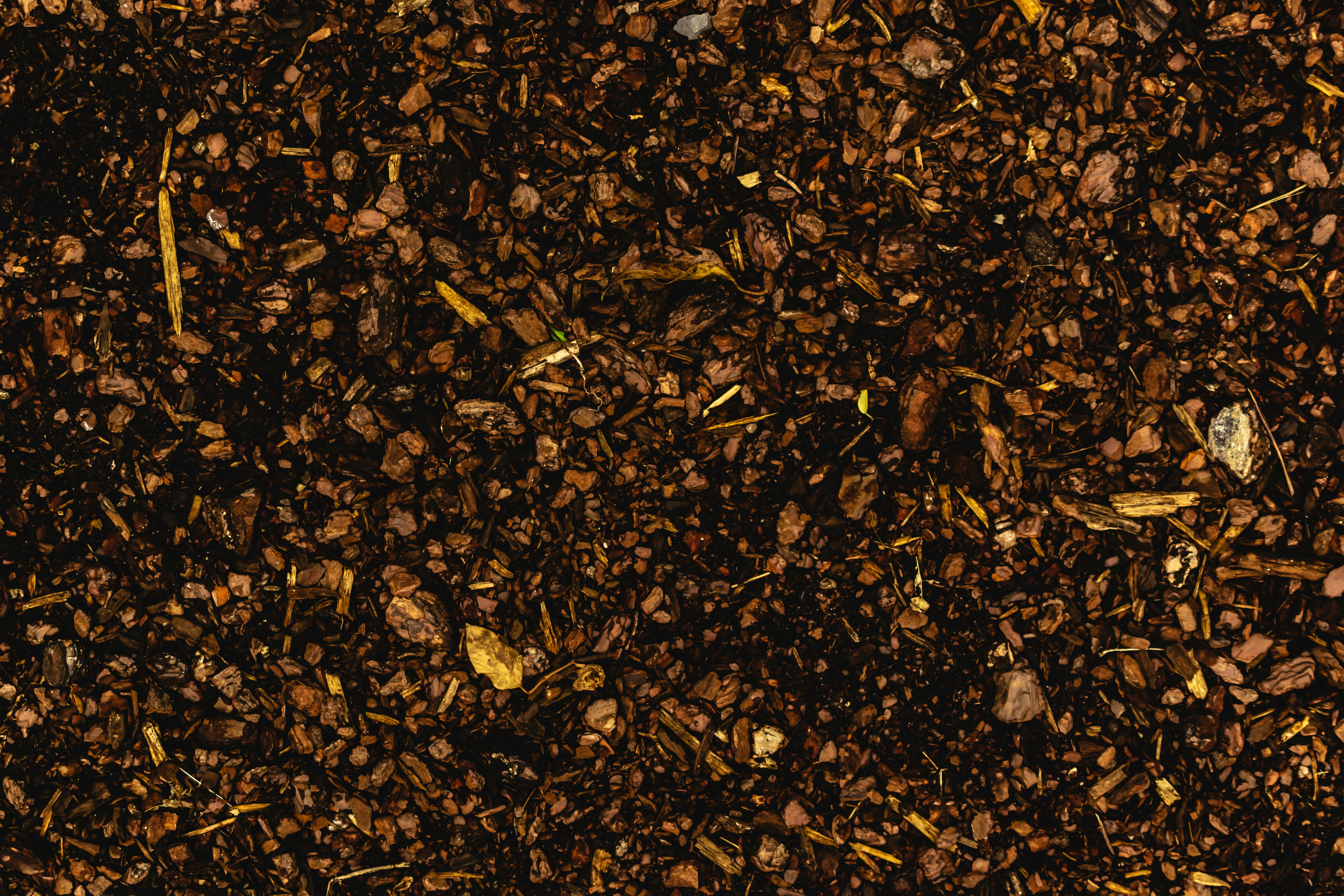
Damp earth
Rather than seeking an answer in the spiritual or emotional realm, let’s look at what science has to say about this intense feeling, inextricably linked to how our sense of smell works: the most sensitive of all our senses, smell is a thousand times more perceptive than sight, touch or hearing.
Smells travel from the nose to the olfactory bulb, entering our brain's limbic system directly, without having to rely on a neurotransmitter to act as a messenger. As a result, smells are stored in the deepest recesses of our memory.
Here, in this secluded “archive”, this ancestral record, our brain retains the memory of damp earth, whose origin also has a scientific explanation.
Over sixty years ago, in their urge to understand the origin of, describe and name every phenomenon around us, researchers gave this scent the name petrichor. They discovered that much of it is caused by some of the bacteria that live in the soil, such as Streptomices coelicolor.
This microorganism helps regulate the biological processes that keep ecosystems balanced. In other words, its presence is very beneficial to the proper functioning and development of both wild habitats and crops.
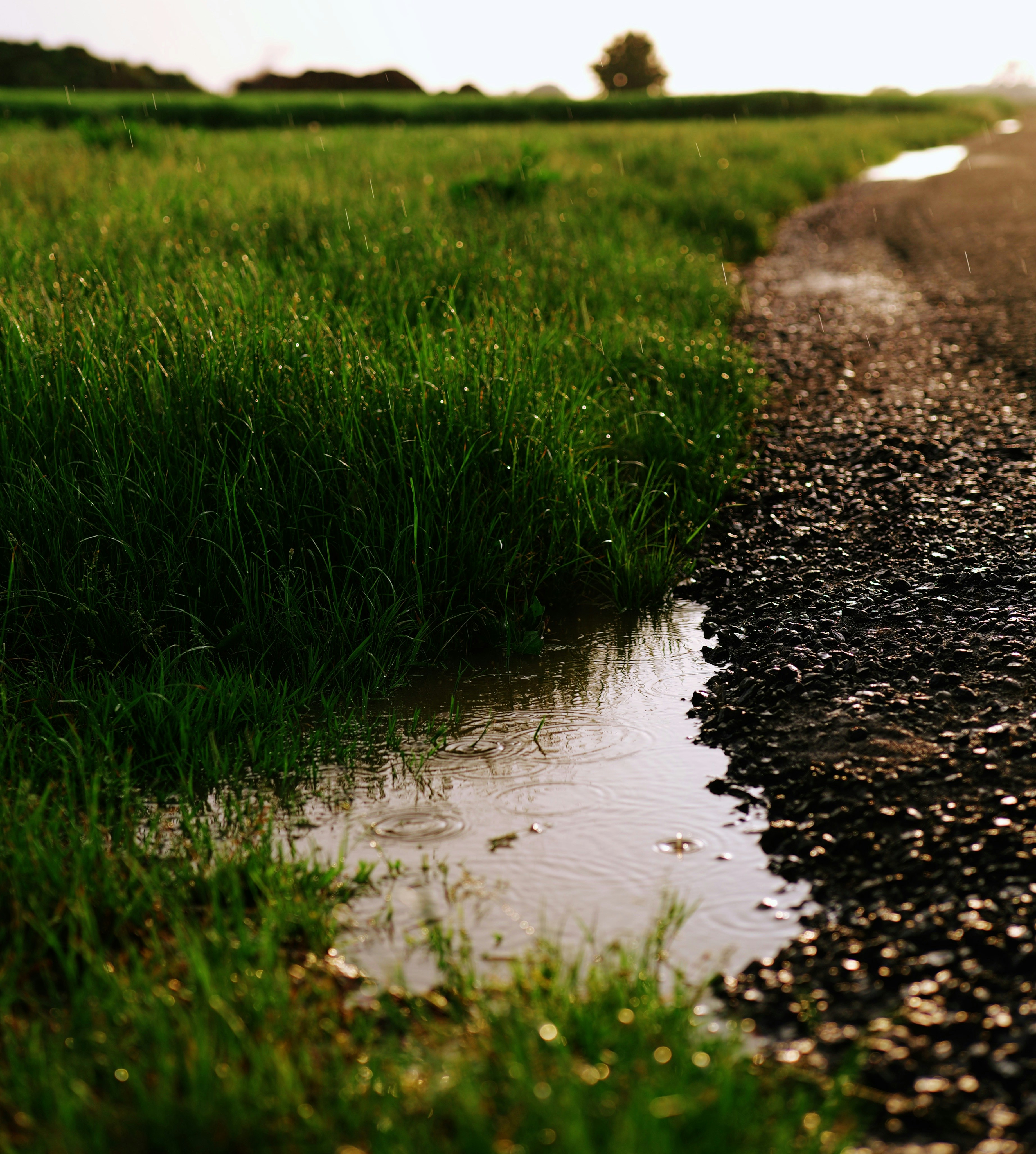
Rainwater on the ground
When raindrops hit the ground, these types of bacteria – living organisms that lie hidden in the top few inches of soil as part of the soil fauna – release a chemical substance known as geosmin. This compound, whose name literally means “earth smell”, is the primary olfactory note of petrichor or the scent of damp earth.
But why does the smell of petrichor awaken such a pleasant emotional response in us? Why do we feel so reassured when it wafts up our nose as we walk in nature after it rained or pass a recently watered garden plot or crop field? There is a scientific answer for that too.
Studies of our genome have found that this pleasant sensory reaction, this automatic response of our body, is due to an atavistic imprint directly linked to nature.
This memory has been embedded in our genes since the Neolithic period: our ancestors, the first shepherds and farmers, associated the smell of petrichor – this unmistakable smell of damp earth – with the arrival of autumn and the eagerly awaited rainfall it would bring. The scent heralded the end of the dry season, the moment when the fields became fertile again.