
The Short-toed Snake Eagle and the Vineyard
By Jose Luis Gallego, environmental communicator (@ecogallego)
Anyone who has had the chance to observe the snake eagle hunt in real life will surely not forget it – this wildlife scene is undoubtedly one of the most exciting a nature lover will ever encounter.
I vividly remember the one time I saw this famous battle unfold before my eyes, a battle I had seen countless times in nature documentaries. The reality of it exceeded all expectations. It happened on a clear morning in late spring, in the middle of a vineyard located just outside the village where my family lives, in the county of Utiel-Requena in the interior of Valencia.
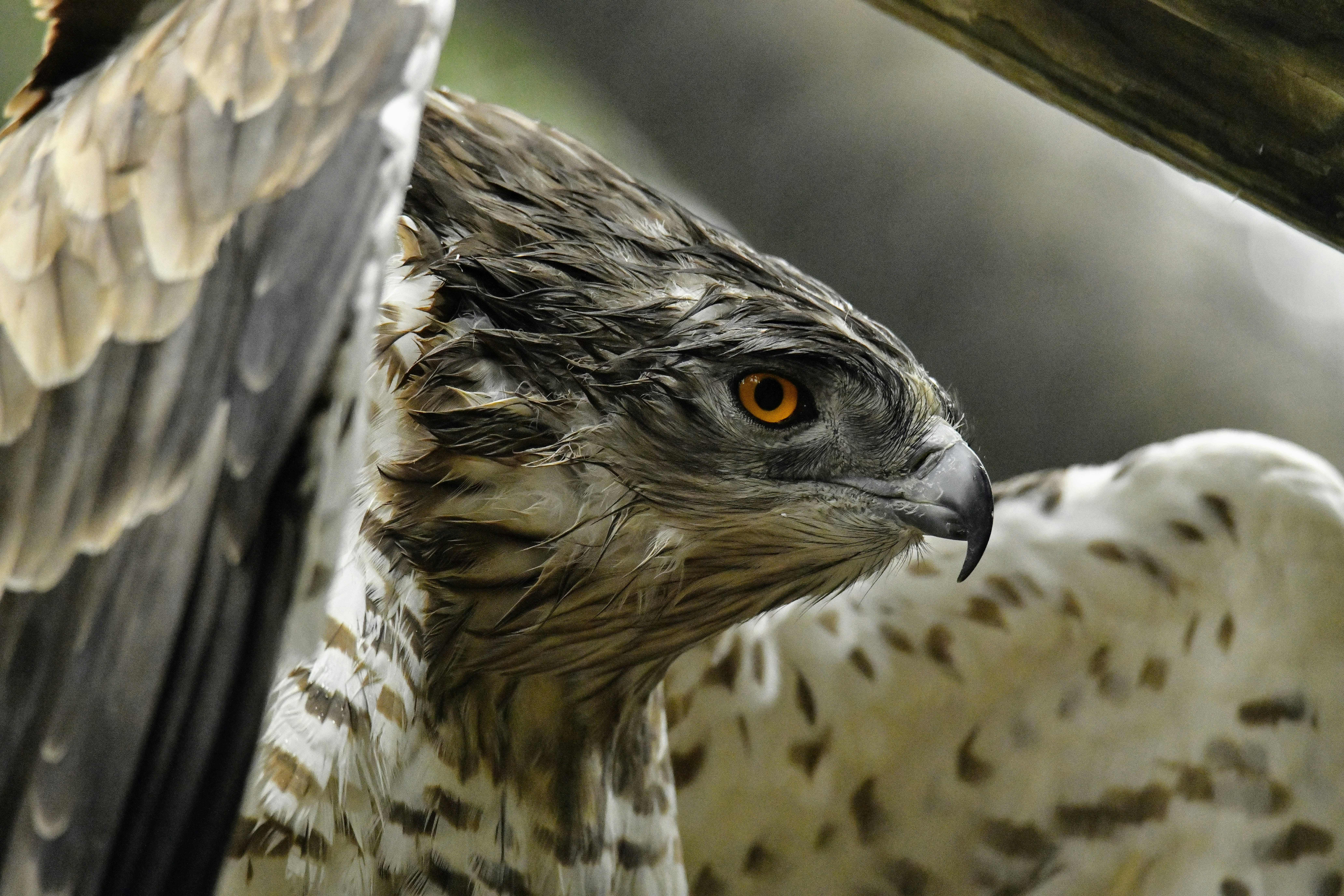
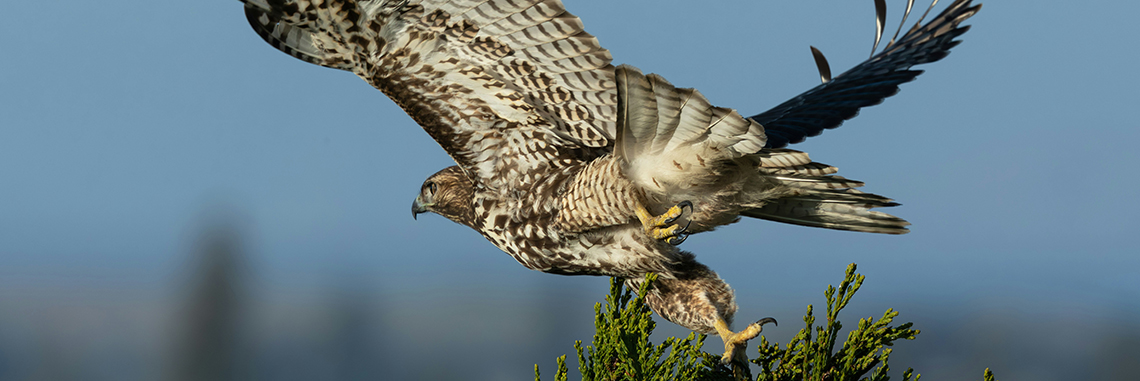
A short-toed snake eagle
With my omnipresent binoculars around my neck, I came down the trail leading to the vineyard and looked up at the sky, where I made out the unmistakable silhouette of a short-toed snake eagle suspended in the air. Hovering like a kite, its wings vibrating intensely in a manner reminiscent of a kestrel.
Observing the bird more closely through my binoculars, I could see how it was keeping its eyes fixated on the ground. In a flash, the eagle began a gradual, staggered descent. That’s when I realized what was happening: the bird had spotted its prey and was preparing to strike. And then it did.
Before my eyes, the raptor nose-dived into the vines. Fortunately, it did so between two rows, so that I had a clean view of the event. What happened next has gone down as one of the most extraordinary chronicles in my field books.
Entangled in a mass of feathers and scales, the raptor and its prey – a ladder snake, which must have been about two metres long – unleashed one of the most astounding battles known to occur in the Mediterranean hills.
The ophidian wound around whatever it could – legs, wings, tail. But the raptor had no intention of losing out on this splendid prey. Without loosening the grip of its powerful, muscular talons, the eagle began driving its beak - accurately and fiercely – into the snake, close to its head.
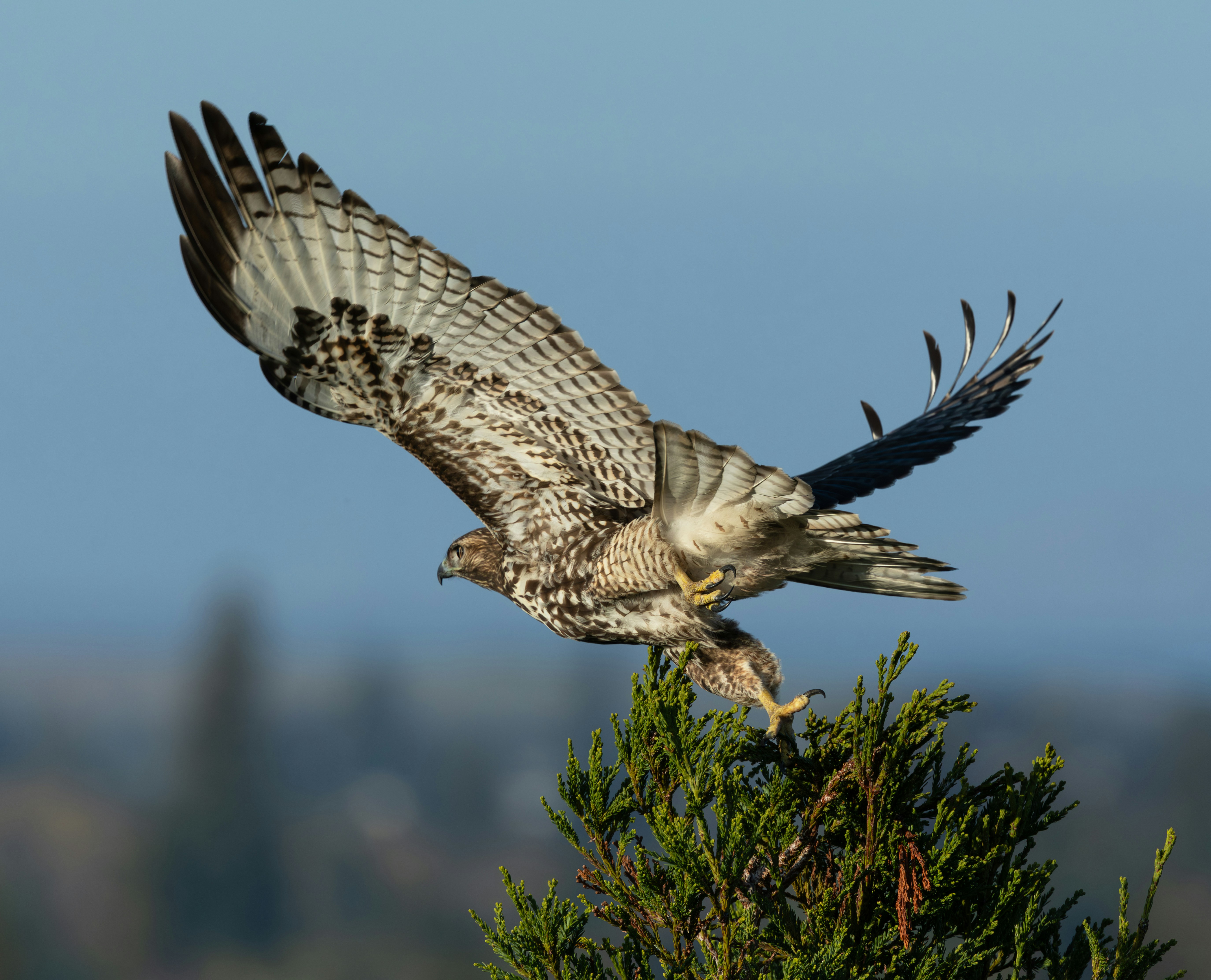
A short-toed snake eagle
A scant minute later, seemingly aware of its mortal fate, the snake slowly began giving in until it hung from its rival’s body like a silk scarf. Aware of its victory, the eagle began ingesting the snake, head first. This marked the slow and methodical task of swallowing the prey. However, the eagle did not wait until it had fully devoured the snake to take flight.
With most of the snake’s tail dangling from its beak, this magnificent raptor vanished from view, heading beyond the rocky hillsides that surrounded the vineyards. Perhaps the eagle was in a rush to return to its nest, built in the crown of a tree, to feed its sole chick, because the short-toed snake eagle only lays one egg.
The species is not particularly endangered, but the use of poisons in the fields, poaching, and collisions with the high-voltage lines that criss-cross its territory are reducing the populations of this beneficial bird of prey.
I say “beneficial”, because the specialization of the short-toed snake eagle transforms the species into a form of biological snake control, making it a loyal ally of farmers and cattle farmers when it comes to maintaining balanced reptile populations in the fields – given that reptiles are its only food source.
Besides that, the short-toed snake eagle, with its wingspan of almost two metres, is one of the most impressive eagles in all Iberian fauna. This beautiful bird has ash-grey back and head feathers, contrasting the white of its chest and abdomen. When perched, what stands out most is the head: disproportionately large, frequently with bristling feathers, and striking, intensely yellow eyes.
When observed in flight from below, the bird is also unmistakable. Drawn across its white chest and abdomen are dotted horizontal lines that reach from wingtip to wingtip, in contrast to its dark brown head and throat patch.
The short-toed snake eagle is a migrating species that arrives on our shores in late March and leaves before the end of the summer – once breeding is completed – to return to its wintering grounds in tropical Africa. Although it is a forest raptor, this particular eagle prefers mosaic landscapes with meadows, fields, and cropland like vineyards – perfect for finding and catching prey.
Like all Iberian raptors, the short-toed snake eagle is a species strictly protected by law, and we must respect and protect it.