
The Secret Life of the Pine Processionary Moth
By Jose Luis Gallego, environmental communicator (@ecogallego)
High in the branches of the pinewoods that grow around Mediterranean vineyards, we can usually spot the unmistakable tent of the processionary moth. Resembling a silky, translucent mesh, these tents can extend across several hectares of woodland. Their presence denotes one of the most common forest pests found in these types of trees. Although most people recognize the tents when they see them, few actually know much about the secret and surprising life of their dwellers.
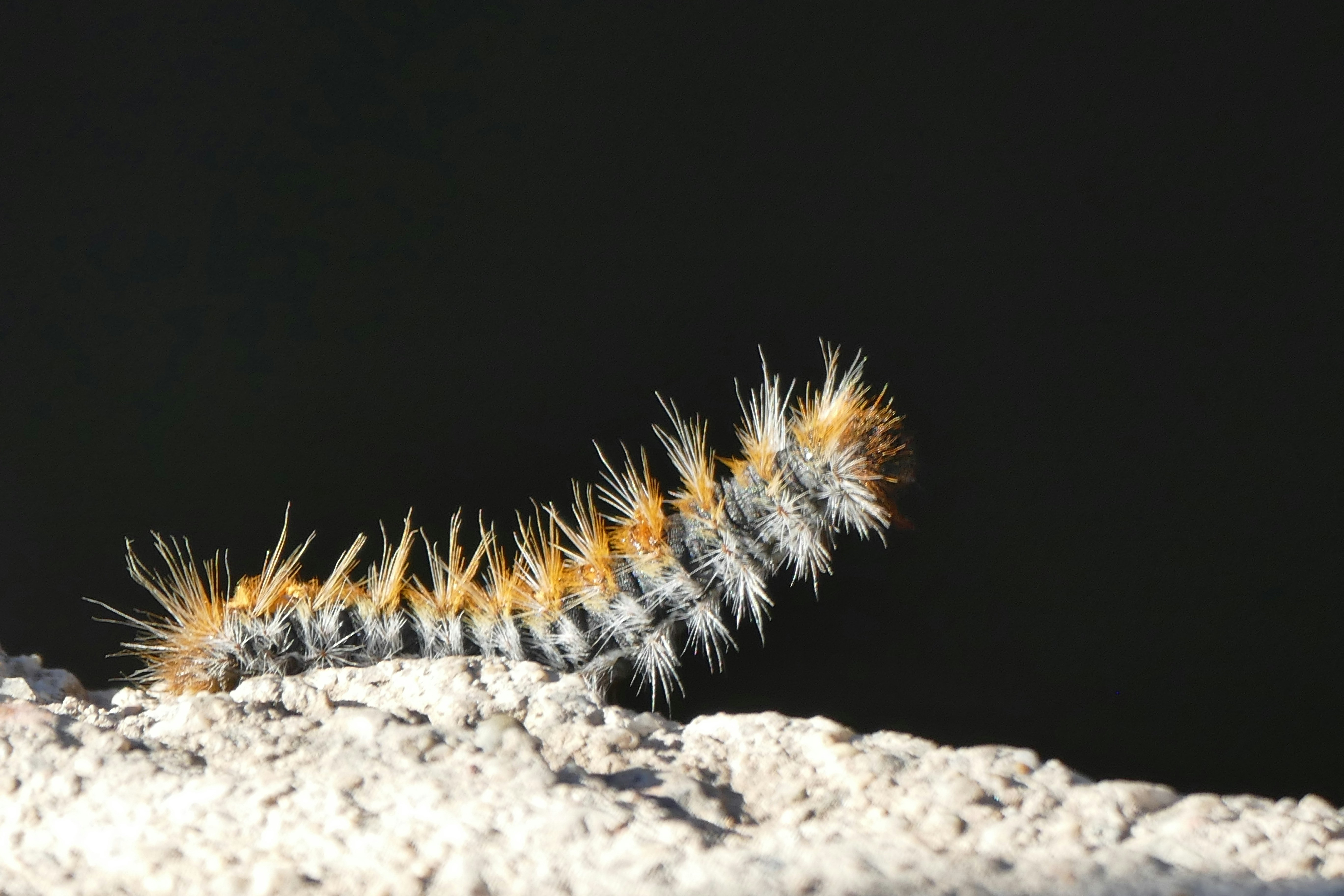
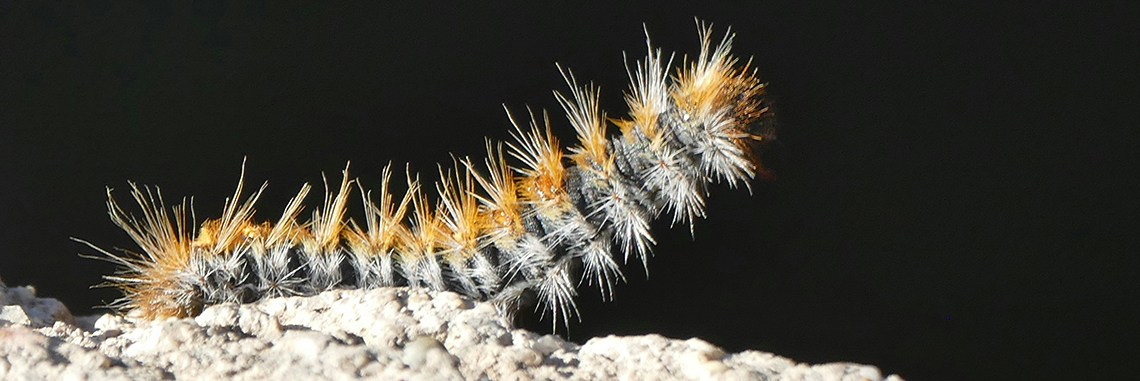
A processionary caterpillar
The first thing to know is that the pine processionary caterpillar is actually the larval stage of a moth from the order Lepidoptera – a moth that scientists classify by the name Thaumetopoea pityocampa. Every year, once the weather gets warmer, the caterpillars leave their tents and descend from the trees to the ground single file, as though part of a procession, hence their common name. Led by a female, the processionary caterpillars are seeking a suitable place to bury themselves.
Once they find it, once the female decides this is the right place to initiate the next step of their development, the caterpillars gather into a pile like a swarm of bees and slowly start to burrow into the ground, one after another, until reaching a depth about the length of a palm.
Safely in the ground, protected from adverse weather conditions, each caterpillar spins a cocoon to complete its metamorphosis, transforming first into a chrysalis and then a moth. If all goes well, the brand-new moths will fly out from the ground in late August or early September. That said, they may diverge from this calendar.
If environmental conditions aren’t right, the processionary caterpillar can hit pause on its biological clock and stay dormant, buried in the ground, until conditions turn favourable, and they feel it is safe to emerge. What is most surprising is that this dormant phase – this delay in completing their evolution and entering their next and final stage – can last up to five years.
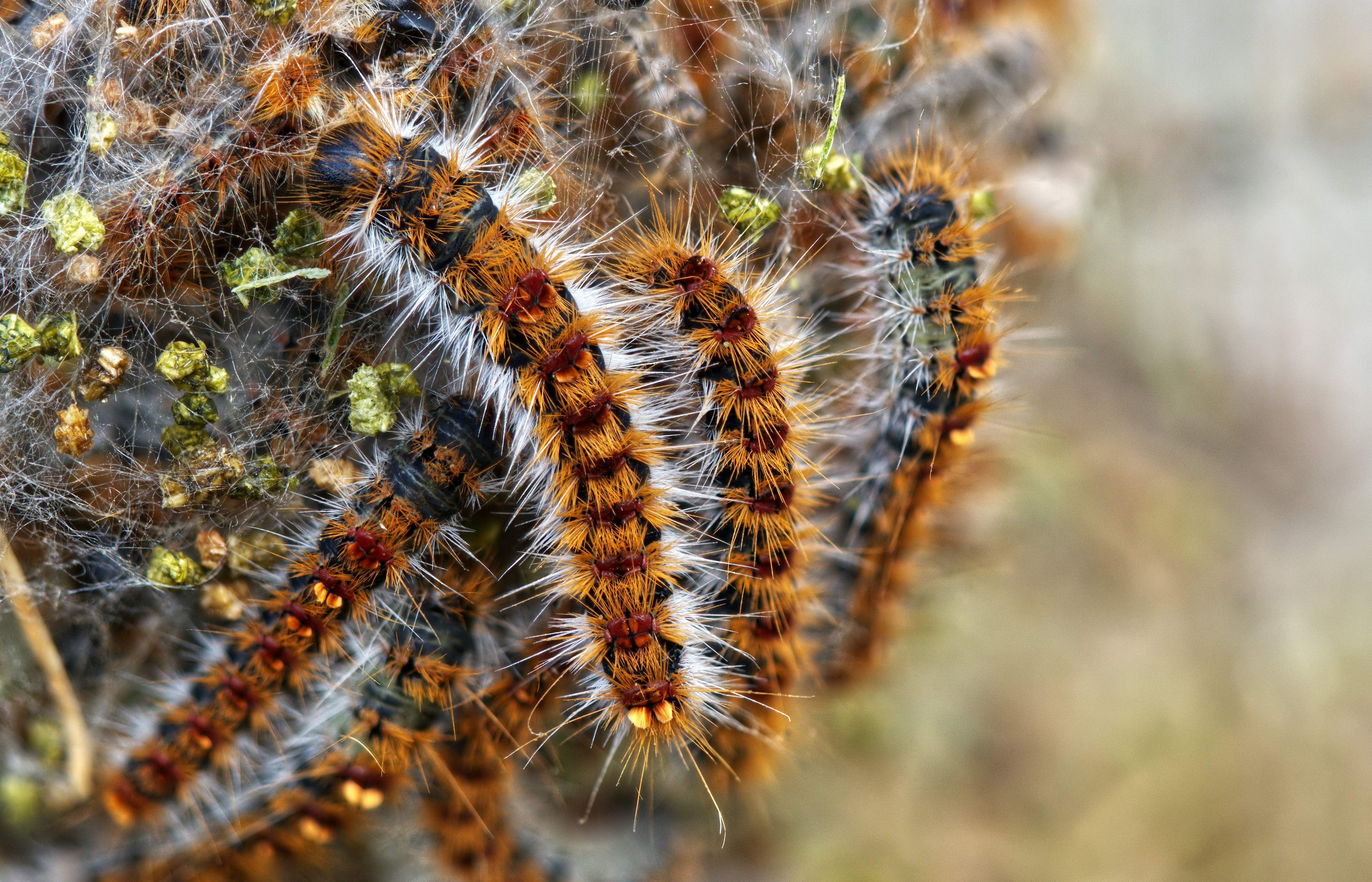 Processionary caterpillars
Once the moths emerge from the ground, normally at dusk, their only goal is to reach the branches of a pine tree to reproduce and carefully lay their eggs atop the needles, which will provide the larvae with food once they hatch. This leads us to yet another surprising aspect of the biology of this fascinating insect.
To complete this entire stage of life – emerging from the ground, flying into the treetops, attracting a male, mating, and laying her eggs – the female only has twenty-four hours: one of nature’s veritable races against the clock.
Global warming beneficiaries
Climate change is contributing to the spread of the processionary moth across European pinewoods due to drier summers and warmer springs. As a result, more forest owners are resorting to pest control methods to prevent the insect from propagating, even though it isn’t a pest in the truest sense of the word (the caterpillars don’t kill the tree although they do affect its development).
Furthermore, when the caterpillars are in their tents, they produce a deluge of organic debris that is highly urticating (stinging) and can cause an allergic reaction in certain people, which is why many municipalities discourage people from walking in affected woods. Coming into contact with the glassy hairs that cover the caterpillars can cause severe allergic reactions that can be particularly serious in pets, thereby aggravating this public health problem.
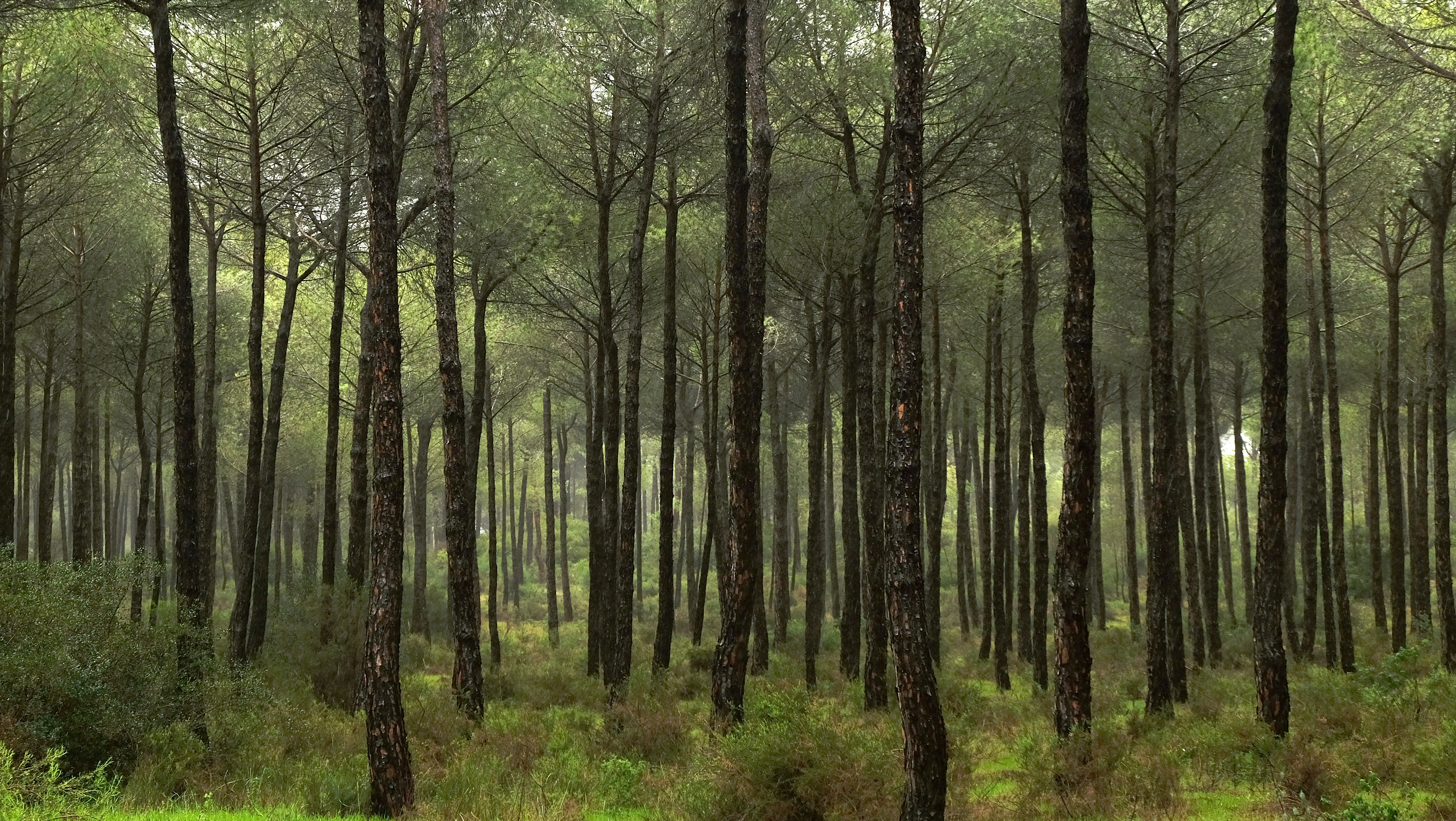
Pinewood
Contrary to what many people believe, you don’t have to touch the caterpillars to experience the sting of their urticating hairs, because they can launch them like arrows up to half a metre. By the time a dog gets close to the caterpillars and realizes they are there, it might be too late.
In people, the toxins of the processionary can cause anaphylactic shock: a severe allergic reaction that can lead to complications if an epi-pen is not on hand, making it a must in the backpack of any hiker who is very prone to these types of allergies. In dogs, the toxins can bring about a sudden swelling of the tongue that can cause the animal to asphyxiate.
Biological pest control
The solution, however, does not involve fumigating the forests with chemical pesticides, but combating the pine processionary with pheromone traps. These bags are normally placed halfway up the tree trunk. Thinking a female is inside, males enter and end up trapped.
Other methods involve placing inverted cones on the tree trunks to prevent the caterpillars from descending or strapping collars to the trunk that collect and trap the caterpillars inside. If we come across one of these structures while walking in the woods, we should not interfere with them so that they can do their job.
Among the most effective mechanisms is a form of biological pest control: installing nesting boxes for birds that feed on insects. In fact, some birds delight in eating the caterpillars, such as tits and coal tits: common denizens of the nesting boxes that will eagerly tear open the tents and devour the caterpillars. Hoopoes will even dig into the ground to eat the processionaries that have buried themselves. Yet again, the best solutions are found in nature.