
The Rowan Tree: A Magnet for Birds
By Jose Luis Gallego, environmental communicator (@ecogallego)
Among all the trees that grow around the vineyards and draw the attention of the people who work in them, one stands out: the rowan tree, which botanists classify under the scientific name Sorbus aucuparia. An indigenous species that catches the eye of passersby and every Iberian forest creature this time of year.
Most of the year, this humble little tree, a member of the Rosaceae family often no taller than a shrub, remains half-hidden in the thick of the forest. In late September, rowan discard all discretion and adorn their branches with abundant clusters of red or orange berries, as striking as they are indigestible.
In addition to tasting very tart and bitter, rowan berries are toxic when consumed raw, because they contain parasorbic acid, albeit in low quantities. For this reason, we should never eat any when walking in the woods.
That said, if we pick the fully ripened berries and boil them for a good while on low heat, we will end up with a compote, which can then be used to make delicious jams or cake fillings. In certain northern European countries, rowan berries are also used to produce a liqueur traditionally enjoyed during the Christmas holidays.
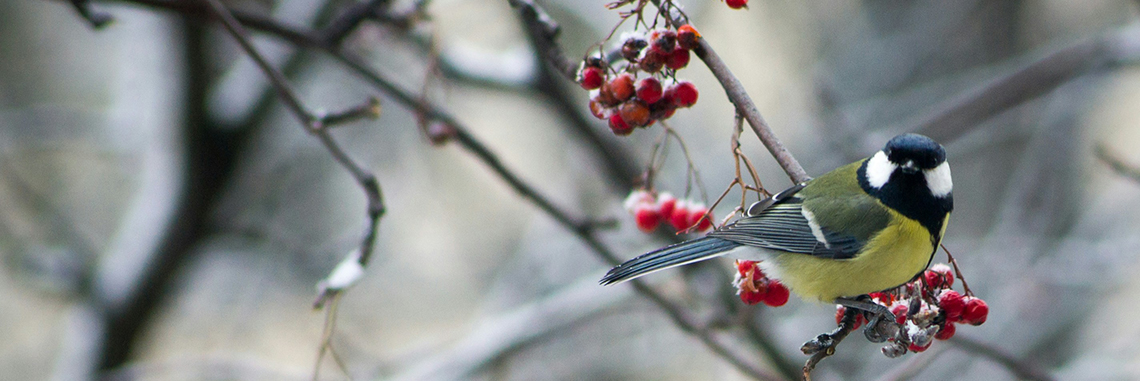
However, others do enjoy the flavour of fresh rowan berries: wild birds. In fact, such is their devotion to these trees that they flock to them in great numbers in autumn and especially in winter when food is scarce and the berries are still fresh on the otherwise barren branches.
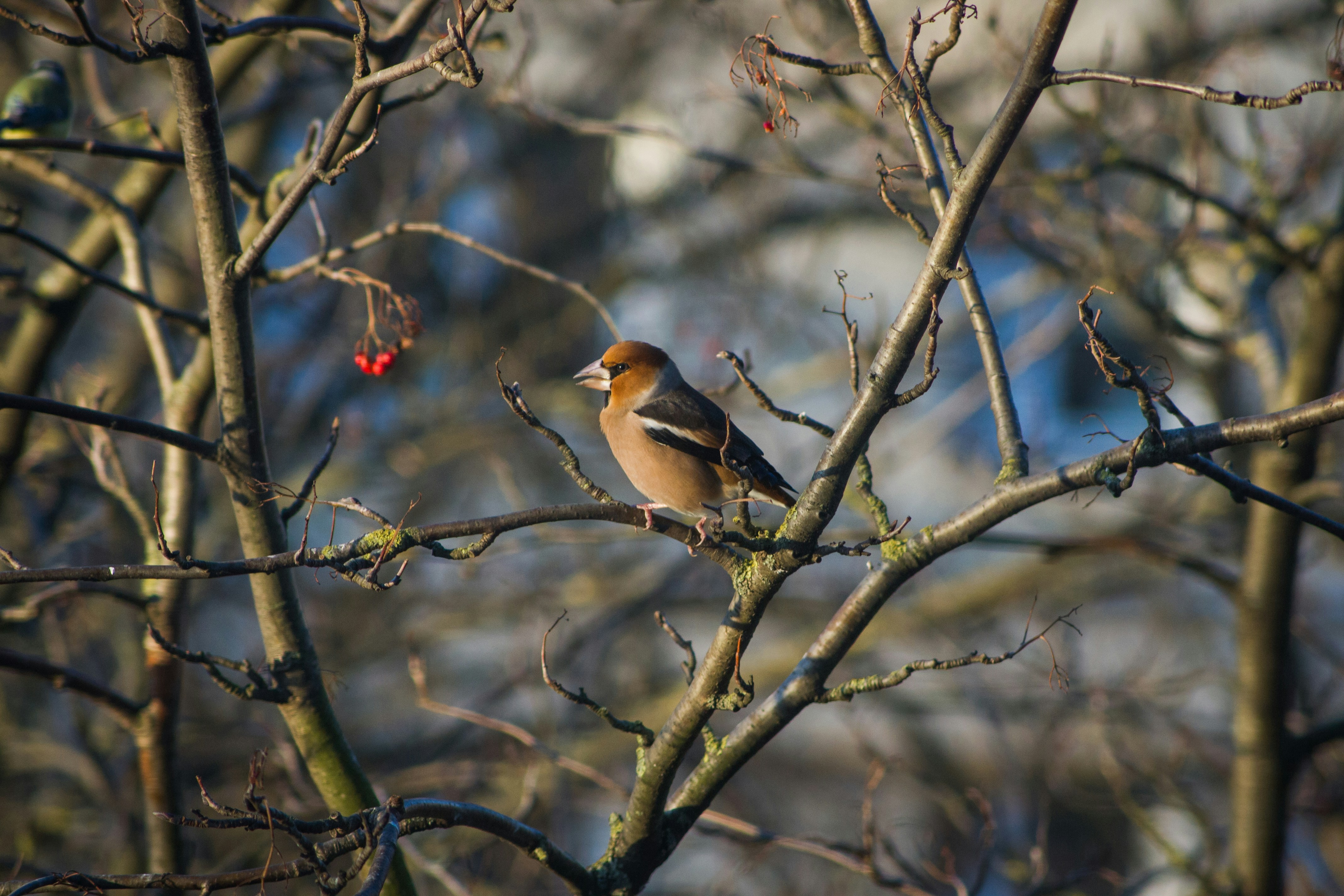
A bird perched on a rowan tree
Warblers, chaffinches, bullfinches, blackbirds, starlings… Among the wintering birds, thrushes never miss a rowan date. This species is very popular with hunters, giving rowan its other nickname – the hunter’s tree – because they tend to lie in wait nearby to catch them.
In terms of appearance, as already mentioned, rowan is modest in stature and rarely grows taller than 10 metres. The canopy is low and sparse, composed of many branches. The leaves are arranged along a thin central stem, like those of the acacia, but they are more tapered and their edges more toothed. The flowers – white, small, and very delicate – appear in early June in big, tight clusters.
In the wild, rowan prefer damp, shady forests – generally beechwoods and oak groves – in middle to high mountain areas of up to 2000 metres. That said, they also grow on slopes and around vineyards with less sun exposure that dot the coastal mountain ranges. But these trees are not only found in forests.
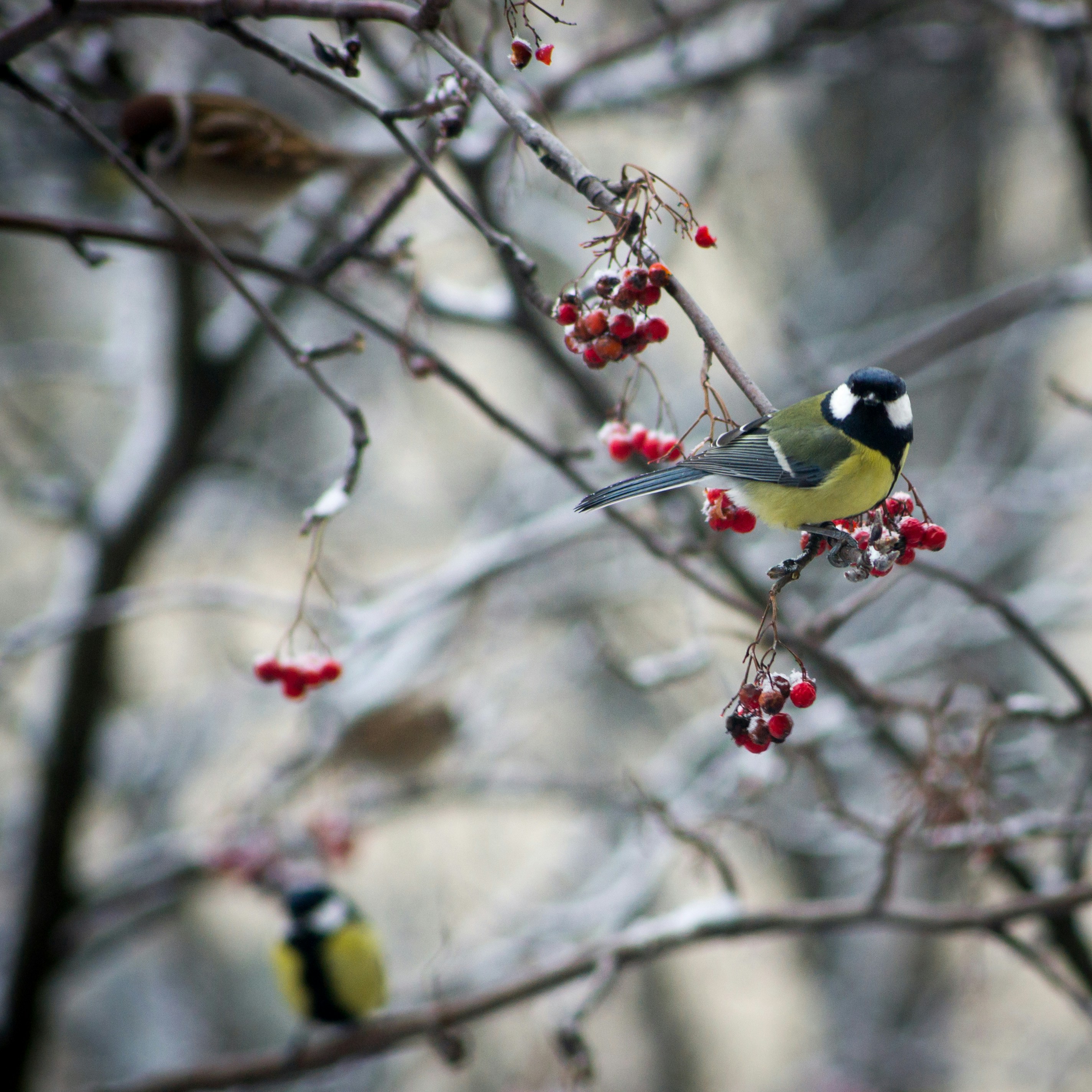
A bird on a rowan branch
Widely used as an ornamental species for its beauty (in late autumn, the leaves acquire an elegant reddish hue before falling), rowan can also be found in urban parks and gardens where it can adapt to the most adverse climates. It is a hardy plant, resistant to cold, drought, and extreme heat.
Rowan has another curious feature – it has very hard wood, similar to boxwood, which makes it very suitable for the production of farming tools. Many of the hoes, shovels, and pitchforks stored in the shed are made from rowan wood. As a result, this surprising tree not only provides birds with a coveted food source but is also highly appreciated by rural artisans.