
Reconnecting with nature, a good resolution
By Jose Luis Gallego. Environmental educator (@ecogallego)
At the beginning of each year, renewed hopes and dreams encourage us to set fresh goals, as well as to resume our battle with those old aspirations that continue to elude us. Many new year's resolutions are to do with looking after our health, improving our emotional well-being or enjoying our free time more. All these goals are interrelated and are also closely linked to another, equally common resolution: to reconnect with nature.
It's becoming increasingly evident that our distancing from nature lies behind many of the ills afflicting us, both as individuals and as a society. Medicine is also starting to acknowledge the healing power of reconnecting with nature: going for a walk in the countryside, on the beach or in the woods with no other aim than to calm the mind and feel part of nature.
The benefits of this healthy experience are so evident that, in some countries, doctors have been prescribing it for years to boost their patients' immune systems. Going for walks in nature alleviates some of the most common health problems of our time, such as stress, which has been called the "health epidemic of the 21st century" by the World Health Organization (WHO).
In addition to reports produced by the WHO itself and numerous articles in scientific journals, in recent years a large number of books has been published demonstrating the therapeutic value of walks in the countryside and the extent to which we feel better when surrounded by nature. One of these is The Art and Science of Forest Bathing by Dr. Qing Li, a renowned immunologist and director of the Japanese Society of Forest Medicine.
Its pages detail the benefits for our bodies of what's known as “forest bathing” or shinrin-yoku in Japanese. After obtaining his PhD in medicine in his home country, Dr. Qing Li went to Stanford University in California to specialise in environmental medicine and further his knowledge of how to apply it.
Back in Japan, this pioneer of forest therapy was commissioned by the government to give shape to the discipline and incorporate it within the country's healthcare system. Since then, it has become a complementary treatment to boost the immune system, reduce stress levels and improve patients' mood.
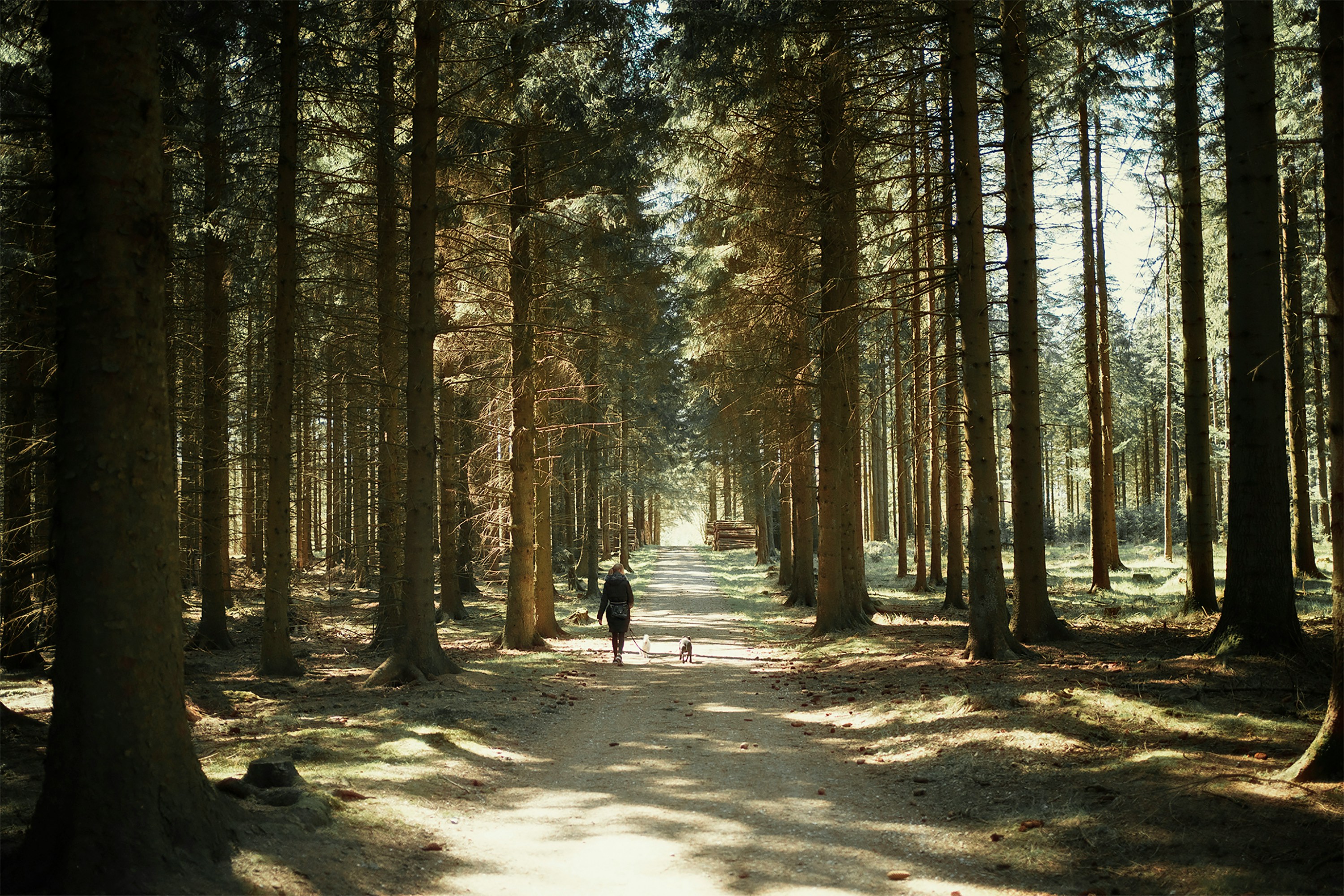
Walks in nature
Shinrin-yoku therapy is now firmly established and forms part of Japan's national health programme, a country where there are more than a hundred forests classified as therapeutic which doctors “prescribe” to patients to alleviate this type of ailment. But such practices are not limited to Japan.
The therapy of forest bathing is spreading throughout the world and has even reached Spain, where doctors have already started to prescribe the practice to take advantage of its proven benefits in the treatment of various diseases. And it's backed by scientific evidence.
Researchers have found that the atmosphere inside forests is filled with naturally occurring chemicals secreted by trees to protect themselves from pests. These volatile compounds, called phytoncides, also have curative properties for our bodies.
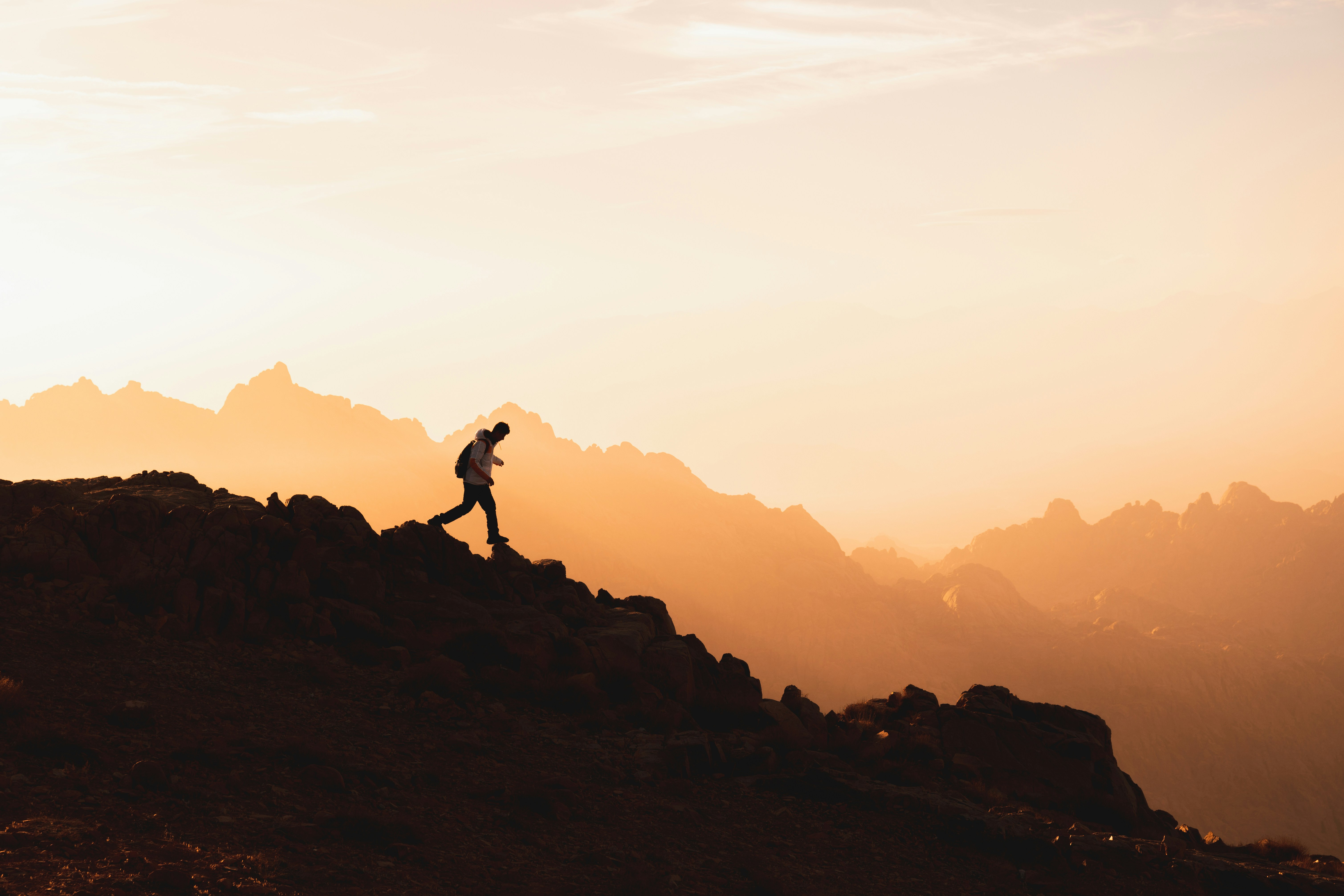
Hillwalking
In this way, in addition to the feeling of pleasure and emotional comfort that comes from walking in the countryside and reconnecting with nature, we have scientific evidence that this enjoyable activity, which costs nothing and is freely available, actively helps to reduce the presence of the stress hormone in our bodies, which is linked to so many of the ailments we suffer from today.
Along the same lines of research, namely exploring the virtues of reconnecting with nature to calm the spirit and heal the body and mind, the book ‘Last Child in the Woods’, written by American environmentalist and journalist Richard Louv, delves deeper into the subject. In its pages, the author explains how many of the illnesses and disorders suffered today by children living in large cities are related to their "nature-deficit disorder, and he warns of the risk of raising our children far removed from nature.
Louv believes that "disconnecting from nature not only distances us from the planet but also makes us ill, and only by reconnecting with the natural environment will we be able to regain our health and the joy of feeling fully human". That's why he also extends his proposal to adults, encouraging them to reconnect with nature in order to heal both their bodies and minds.
An invitation which, if accepted and turned into a personal goal, can help to improve our society's relationship with nature. And, for such relationships to be healthy, they must be based on respect for nature's limits, on consideration for the services it provides and a desire to preserve it.