Wine World Trends 2026

By Laura Conde, wine writer
The wine world never stands still. Consumption habits change, tastes transform, new narratives emerge, others are rewritten. More consumers are seeking lighter, fresher wines, and climate change is exerting a decisive influence on how wines are made and drunk. Looking ahead to 2026, the following trends are consolidating – some are already firmly established among consumers whereas others are timidly gaining ground.
White Wines Are Eclipsing Reds
The data is in: white wine consumption is on the rise. According to statistics provided by the International Organization of Vine and Wine (OIV), white and rosé wines are seeing sustained international growth compared to a relative decline in reds. This structural trend reflects a consumer predilection for lighter wines throughout the whole year. There is more to this trend, however, because the growing popularity of whites is also resulting in more sophisticated tastes: along with straightforward young wines, aged whites are taking the spotlight – wines with more structure and complexity, capable of satisfying the needs of increasingly curious consumers.
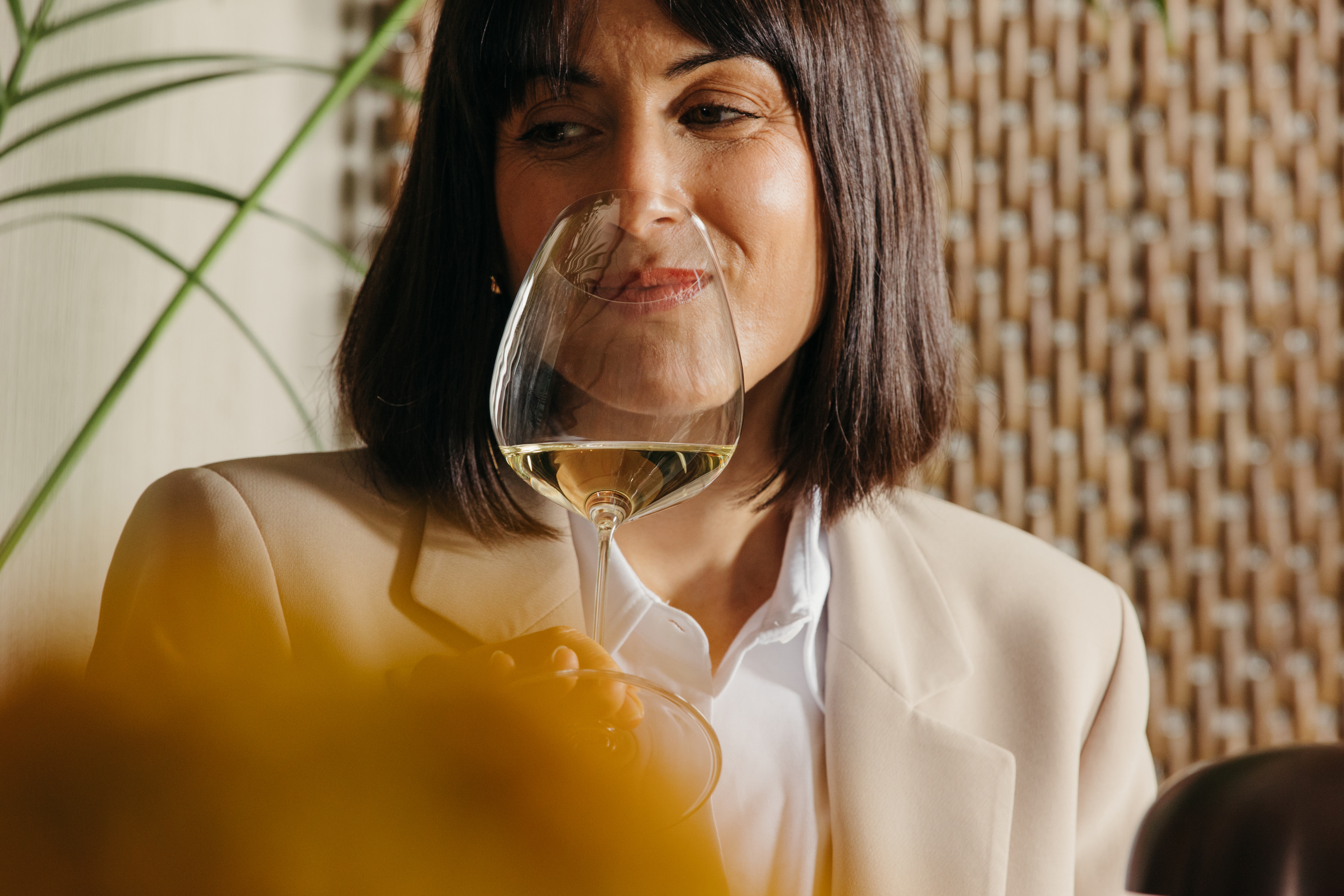
A woman drinks a glass of white wine at a restaurant
Fresher, More Accessible, Unoaked Reds
Whereas the market is offering increasingly sophisticated whites, reds are trending in the opposite direction. This is the golden age of young unoaked reds, which can be served a little cooler and are friendly, versatile, and easy to drink. That said, finely oak-aged wines maintain their consumption moment and, of course, their place among more classically versed palates.
Beyond the Great Appellations of Origin
Consumers have an undeniable interest in discovering new regions. Lesser-known appellations, emerging regions, even wines with no appellation at all are awakening the curiosity of consumers who seek uniqueness and authenticity. Gradually the wine world is growing less rigid, thereby opening the door to the popularization of wines regarded as niche until recently.
Sparkling Wines with Food
Remember the days when sparkling wines filled our glasses for a celebratory toast and that was that? Fortunately, we have embraced bubbles as being so much more. They are consolidating their position as dining companions for several dishes or even as the drink of choice for an entire meal.
The Discreet Rise of Non-alcoholic Wines
It might not be a revolution, but it is undeniably an evolution. Restaurant owners and industry professionals agree that the demand for non-alcoholic wines is on the rise, even among people who don’t always abstain. This trend has been nicknamed zebra-striping: the practice of alternating alcoholic and non-alcoholic drinks within the same evening.
Wines with a Local Identity
Consumers are increasingly opting for local wines. This undoubtedly owes much to the educational efforts of the sector, which has managed to convey the intimate relationship between wine, landscape, culture, and the specific idiosyncrasies of a place.

Enjoying a glass of wine at a restaurant
New Generations of Winemakers
The generational shift is significant in the wine world, perhaps even more so than in other sectors such as farming or cattle raising. Many young winemakers specifically trained in their field are taking over family-owned wineries or recovering abandoned vineyards, thereby introducing new points of view, contemporary narratives, and new forms of wine communication.
The Rise of Wine Tourism
Increasingly well-informed consumers want to know the provenance of what they drink: how is it made, by whom, and where? Wine lovers take great pleasure in visiting wineries, walking around the vineyards, enjoying customized tastings, and having all sorts of wine-related experiences. For this reason, wineries are increasingly improving and refining their wine tourism experiences to satisfy bold, hedonistic consumers.
Surprising Wines in a Climate Change Context
Climate change is leaving an indelible mark on the wine we drink. Environmental fluctuations are hitting the sector hard, directly impacting the vineyard and, consequently, the wine. The situation is undeniably serious, but occasionally even the most adverse contexts produce unexpected opportunities. Proving this point are several projects to recover indigenous grape varieties that are more climate-change resilient or others focused on planting foreign varieties in certain regions. The resulting wines are surprising, unexpected, capable of expanding the vinicultural map as we know it.
More Informal Wine and Food Pairings
The old concept of long, millimetric pairings – with endless tasting menus and countless bottles uncorked, one for practically every dish – is getting a makeover. More sommeliers are proposing simpler concepts that don’t saturate the palate, which involve opening just two or three bottles during the entire tasting menu.
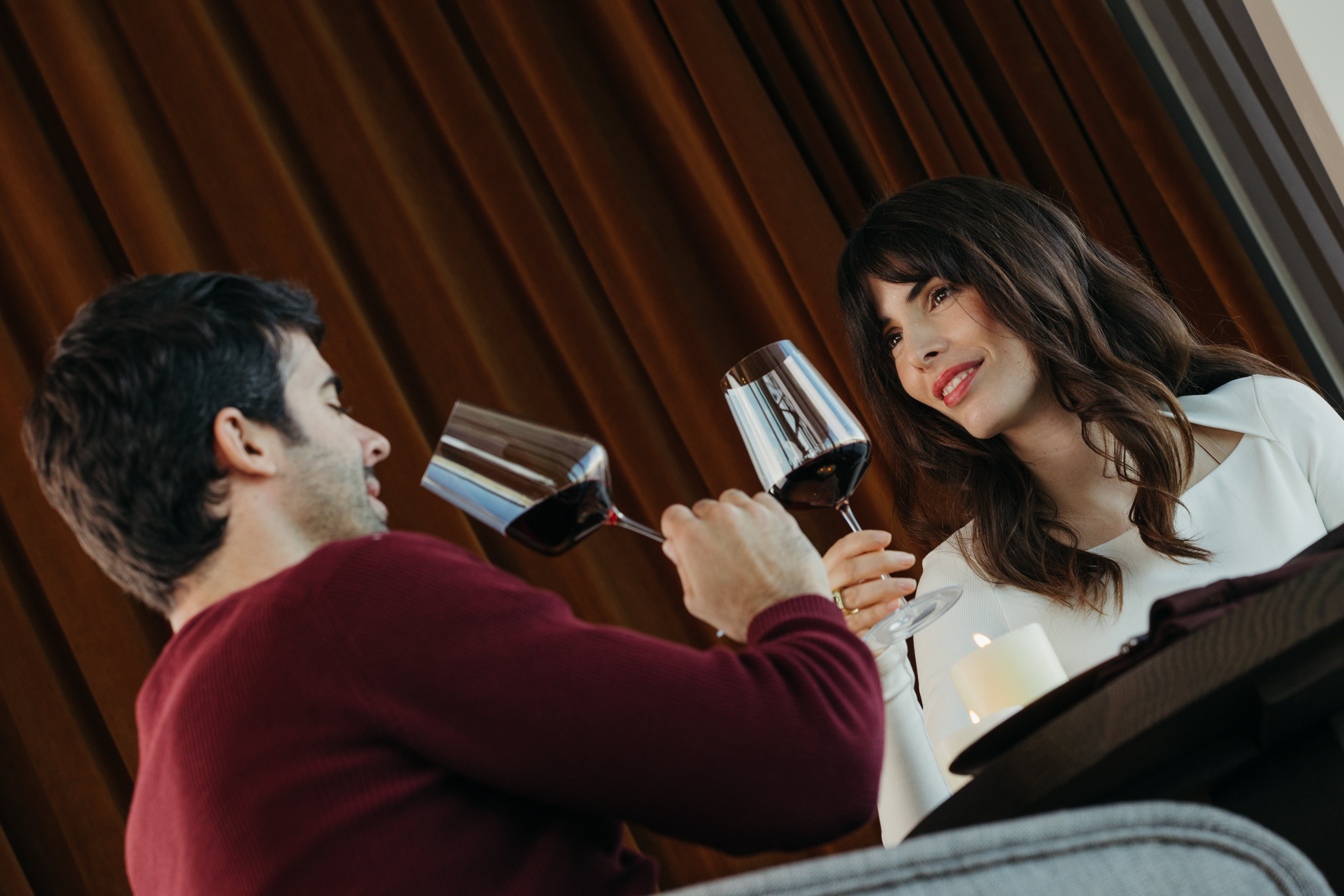
Enjoying a glass of red wine
Wine by the Glass Goes Premium
A list of wines by the glass is no longer the exclusive terrain of wine bars. The format is also gaining ground at many restaurants, which are starting to include premium labels, serving high-end wines by the glass that many consumers could not afford otherwise.