
Autumn in the Vineyard: Red Leaves, Living Soils, and Wildlife Refuge
By Jose Luis Gallego, environmental communicator (@ecogallego)
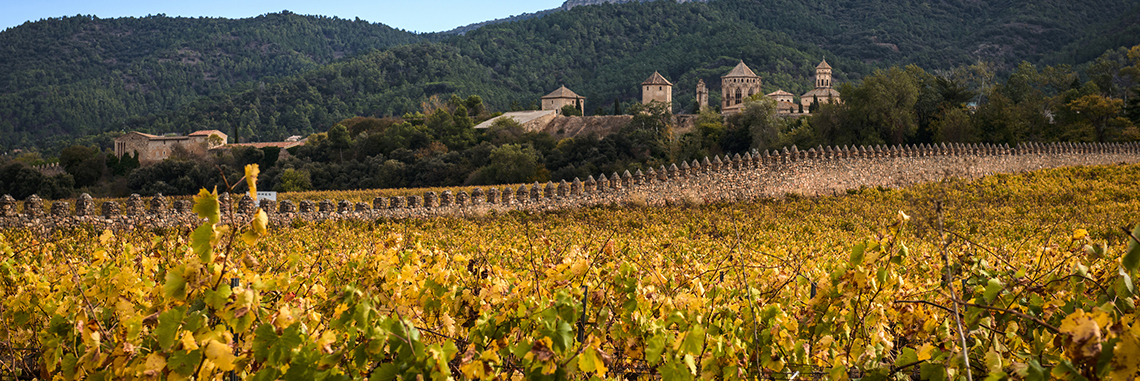
After the harvest, with the vines exhausted from the effort, the work continues in the vineyard. Now the focus is on replenishing the soil to ensure the vines make it through the winter dormancy unscathed. While these efforts are underway, the vineyard presents us with one of the most exquisite colour displays the rural landscape has to offer.
The transition from green to yellow, orange to crimson, purple to ochre before the leaves succumb and carpet the ground is one of nature’s most beautiful journeys. This sequence of chromatic hues gradually transforms the vineyard into a veritable open-air art gallery.
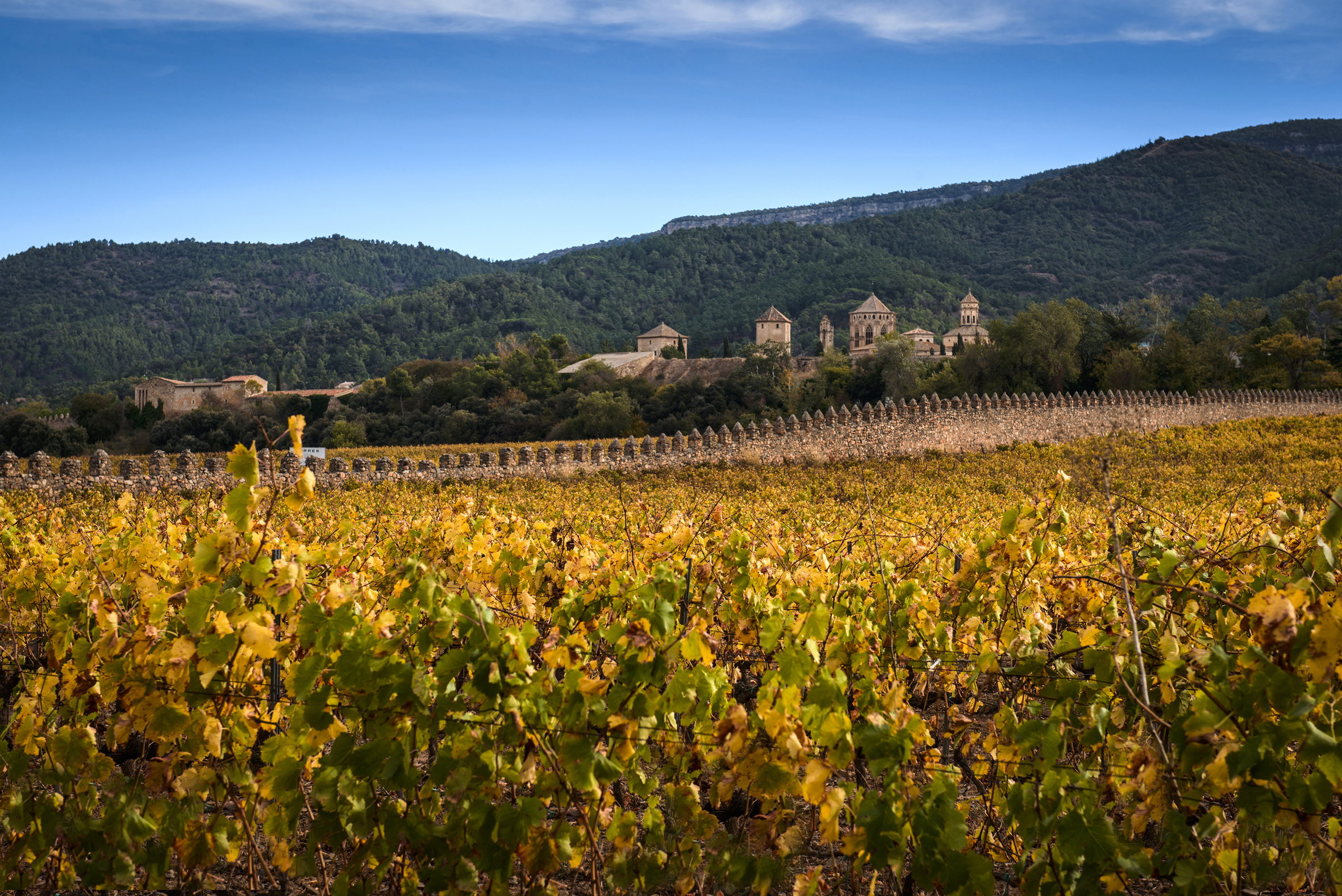
Vineyards in DO Conca de Barberà, a Familia Torres property
Beyond this visual spectacle, this beautiful languishing of the leaves, the cycle of life once again begins to stir beneath the ground. Everything we see on the farmed and forested surface of the land derives from the chemical laboratory that nature runs in the first few centimetres of soil.
The arrival of autumn rains accelerates the heartbeat of life in the hidden world of the subsoil. Having survived the stress of water scarcity – increasingly severe as a result of worsening drought and extreme heat due to climate change – tiny microorganisms like bacteria and protozoans, and soil fauna like mites, springtails, and earthworms celebrate humidity’s return by generating humus.
Living soils turn into true chemical labs, processing organic waste and transforming it into nutrients, filling the “pantry” with food and encouraging soil friability.
Everything that covers the surface of fields and forests depends on the biological processes that take place in this fertile structure, this essential substrate: if we alter its balance, crops and natural ecosystems collapse. This is why it is so important to care for the soil, especially in autumn. And the best way of doing so is through good regenerative agricultural practices.
There is even more to the vineyards, however: in autumn they become a wildlife refuge. Animals preparing to retreat into their burrows to hibernate are busy gathering food, such as the garden dormouse, a beautiful rodent commonly found in wooded pastureland, vineyards, and olive groves.
And where there are dormice, their main predators – beech martens, genets, and weasels – are sure to follow. Thus, the vineyards transforms into a nature reserve on autumn nights, a setting where several species meet and let the drama of wildlife play out.
Birds of prey also make an appearance, of course, both diurnal raptors like kestrels and Bonelli’s eagles, and nocturnal ones, most commonly the little owl: a regular denizen of farmhouses and cellars. Another nocturnal bird of prey closely associated with rural life shares this space: the barn owl, for whom the vineyard is one of its most propitious hunting grounds.
And let’s not forget our recent arrivals from northern Europe: starlings, known for forming dense avian clouds that expand and contract like black smoke, resulting in an astounding and spectacular aerial ballet.
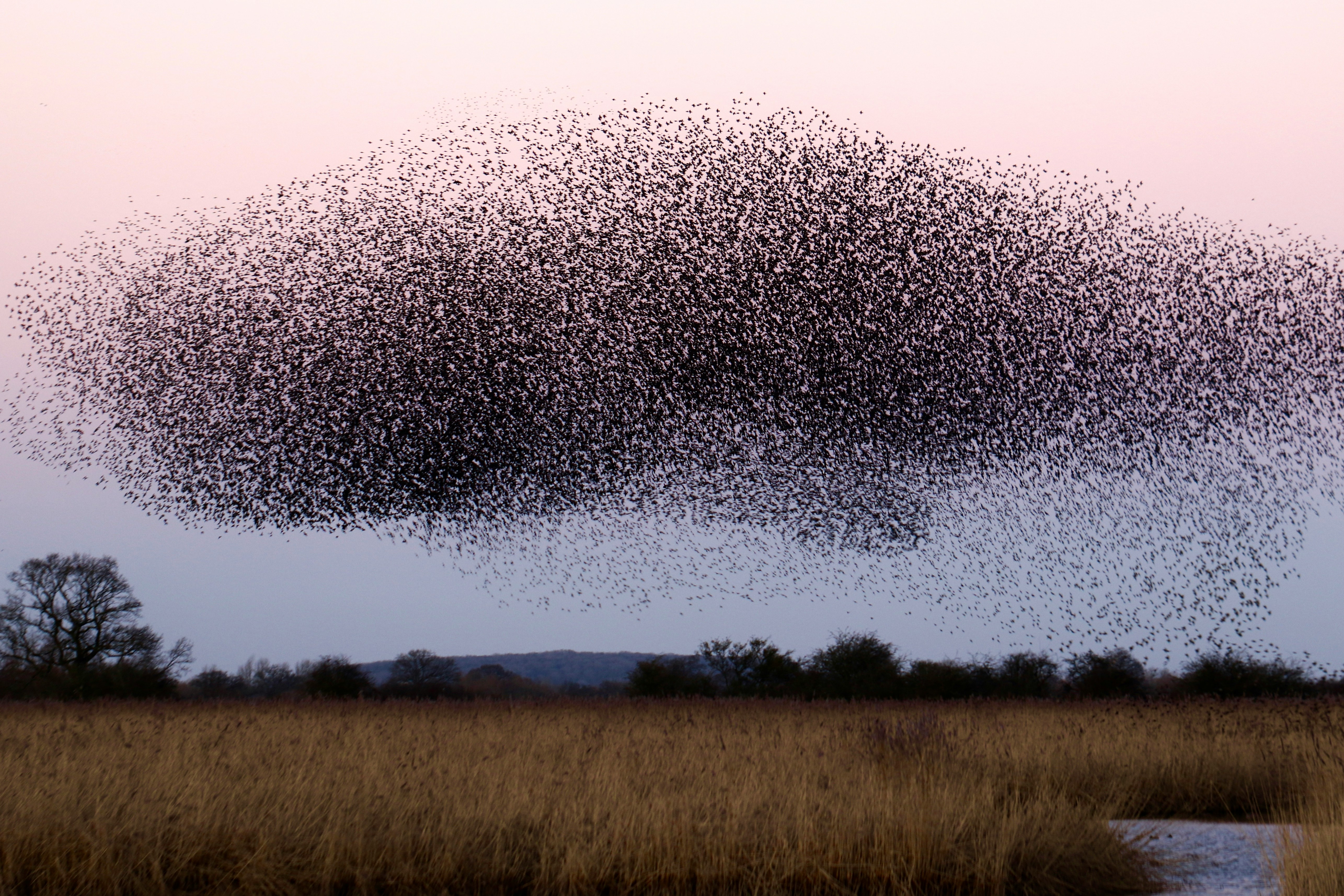
Starlings fill the sky
All of this makes autumnal walks in the vineyards one of the easiest and most enjoyable ways of observing nature.