
Living Forests, Why Protecting Them Means Protecting Ourselves

By Toni Ulled, beeletter.org
Forests are more than just green landscapes or places to disconnect. They are living systems that make our everyday lives possible even though we might not always be aware of it. Protecting them isn’t merely an environmental matter: it is a direct investment in our health, water, climate, and future. Understanding the role of forests and how to manage them sustainably is crucial in tackling current challenges without losing what is essential.
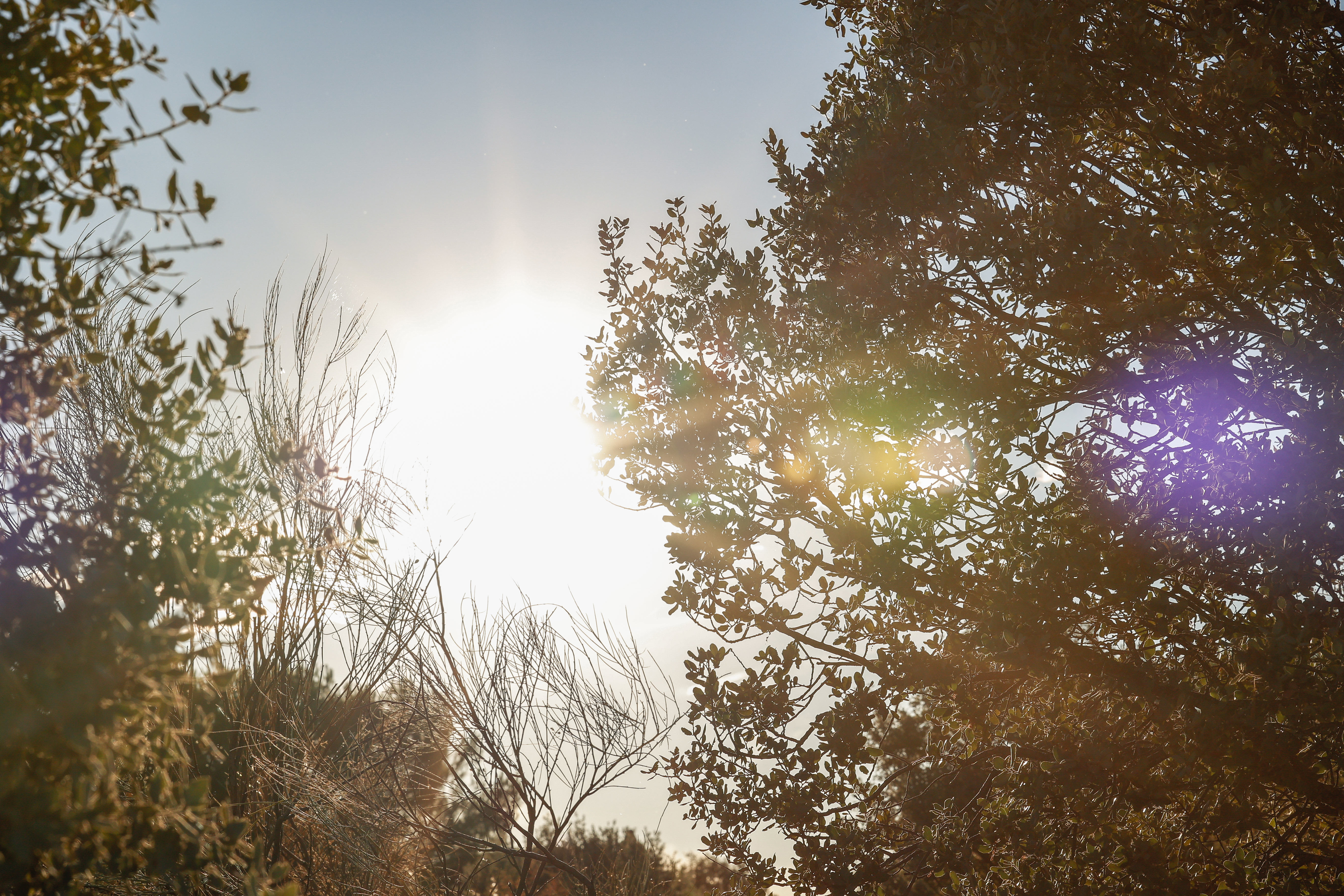
A forest in DO Rueda
What do we mean when we say, “living forests”?
A living forest is a healthy, diverse, and functioning ecosystem. It isn’t only about the presence of trees but the balance between plants, animals, soils, and water. This means respecting natural cycles, avoiding over-exploitation, preventing forest fires, and making sure that woodlands can regenerate and adapt to climate change. Sustainable forest management is a tool that helps maintain this balance between our use of woodlands and their conservation.
Why are forests so vitally important now?
Forests cover around 31% of the Earth’s surface and play an essential role in regulating the climate, the water cycle, and conserving biodiversity. However, deforestation, wildfires, and rural depopulation are degrading these ecosystems at an alarming rate. Considering the climate emergency and accelerated species extinction, caring for our forests is among the most effective and urgent actions we can take to protect ourselves as a society.
1. Forests are key allies in combating climate change
Forests act as enormous carbon sinks: they absorb CO₂ from the atmosphere and store it in the soil and trees. It is estimated that forests absorb close to 30% of global carbon emissions every year. When they deteriorate or burn, this carbon is once again released into the atmosphere, thereby exacerbating global warming. Ensuring well-managed, thriving forests is one of the most effective and natural climate solutions.
2. Forests protect and regulate our drinking water
Forests act as natural sponges. They store rainwater, replenish aquifers, reduce flooding, and ensure water quality. Many cities rely directly on forest watersheds for their water supply. Deforestation causes increased soil erosion, a dwindling freshwater supply, and an exponentially higher risk of drought and extreme flooding.
3. Forests are a biodiversity haven
More than 80% of terrestrial species live in forests. From large mammals to insects, fungi, and microorganisms, they all play a role in maintaining a balanced ecosystem. Deforestation results in the extinction of species, many thus far unknown, and weakens nature’s resilience to weather sudden changes.
4. Forests reduce the risk of wildfires
A well-managed forest isn’t left untended. An accumulation of biomass, a lack of biodiversity, and rural depopulation all contribute to an increased risk of large-scale forest fires. Sustainable management –including targeted clearing, controlled grazing, and responsible exploitation – reduces the intensity and spread of wildfires, thereby protecting both nature and people.
5. Forests support rural economies
Living forests generate jobs and opportunities in rural areas: certified timber, resin, cork, mushrooms, nature tourism, and well-planned renewable energy projects. Responsible management allows local communities to live off the forests without destroying them, thereby preventing depopulation and building more resilient and equitable economies.
6. Forests improve our health and wellbeing
Spending time in forests has proven benefits for our mental and physical health: it reduces stress, improves concentration, and boosts physical activity. Furthermore, forests help regulate climate and air quality, which means they indirectly contribute to a reduction in respiratory diseases and the effects of increasingly frequent heat waves.
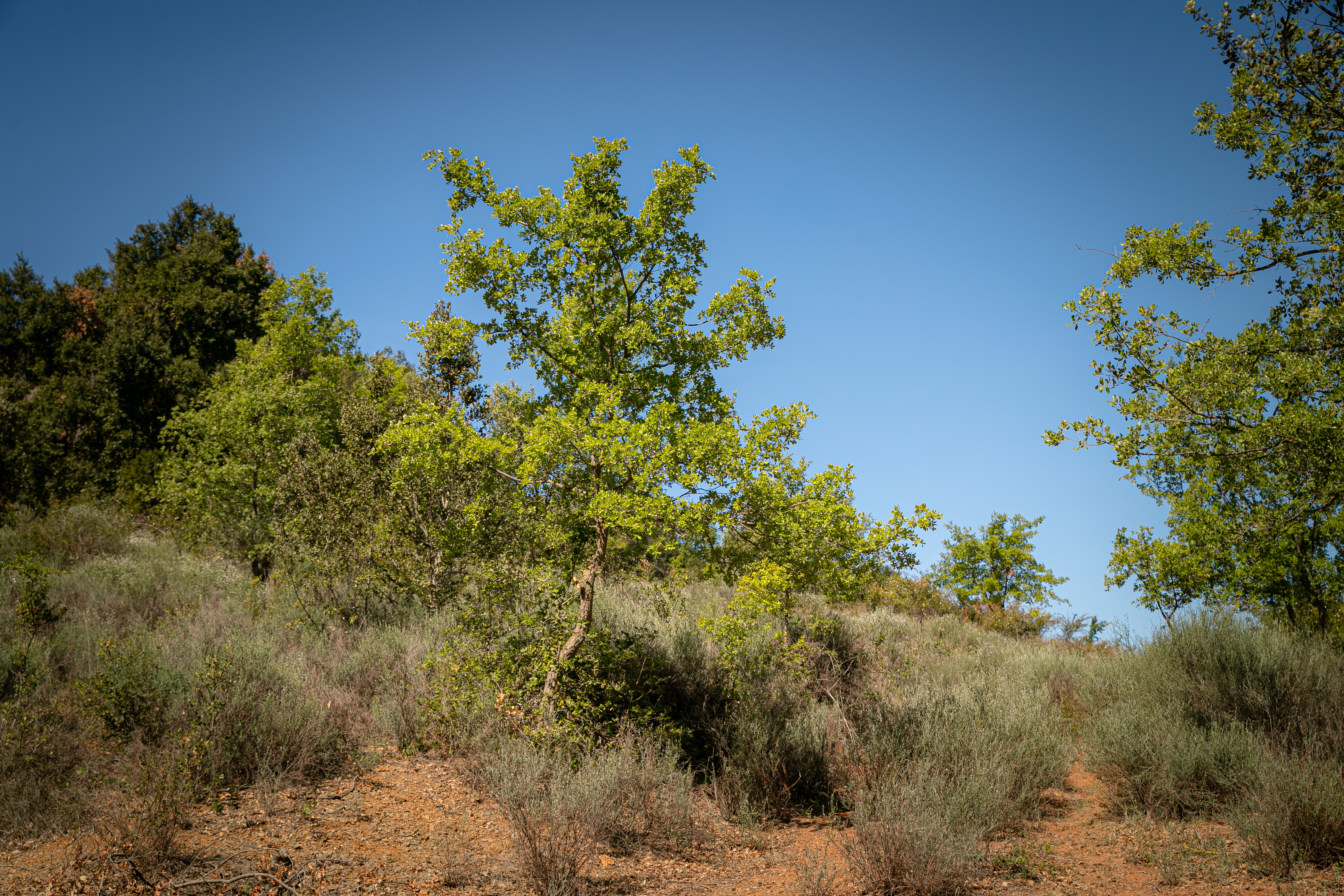
A forest in DO Conca de Barberà
7. Sustainable management makes all the difference
Using forests as a resource isn’t automatically negative. It all depends on how it is done. Sustainable forest management balances conservation, economic exploitation, and social safeguards. Certifications, management plans, and local participation help ensure that forests remain productive without losing their ecological role.
8. Protecting forests is also a civic responsibility
Our everyday actions do make a difference, whether this involves choosing certified timber, supporting conservation policies, preventing forest fires or showing our appreciation for those who care for woodland areas. Forests can’t protect themselves: it requires collective decisions and social and civic engagement.
By protecting forests, we protect our lives
Caring for forests is neither a luxury nor a faraway cause. It is a basic necessity for ensuring our water and food supply, a stable climate, and our wellbeing. Living forests sustain us every day, even when we don’t see them. Protecting them today is a way of ensuring a livable future.