
The Circular Economy: Extending the Life Cycle of Things
By Toni Ulled, beeletter.org
We live in an economy that is designed around the idea that objects should only last a short time. The speed at which we manufacture, use, and discard things is more than the planet can handle. The circular economy proposes the exact opposite: materials and products should remain in use for as long as possible and generate the least amount of waste. This is not a utopia – it is a model that is already working, and it begins with very concrete everyday decisions.
What exactly is the circular economy?
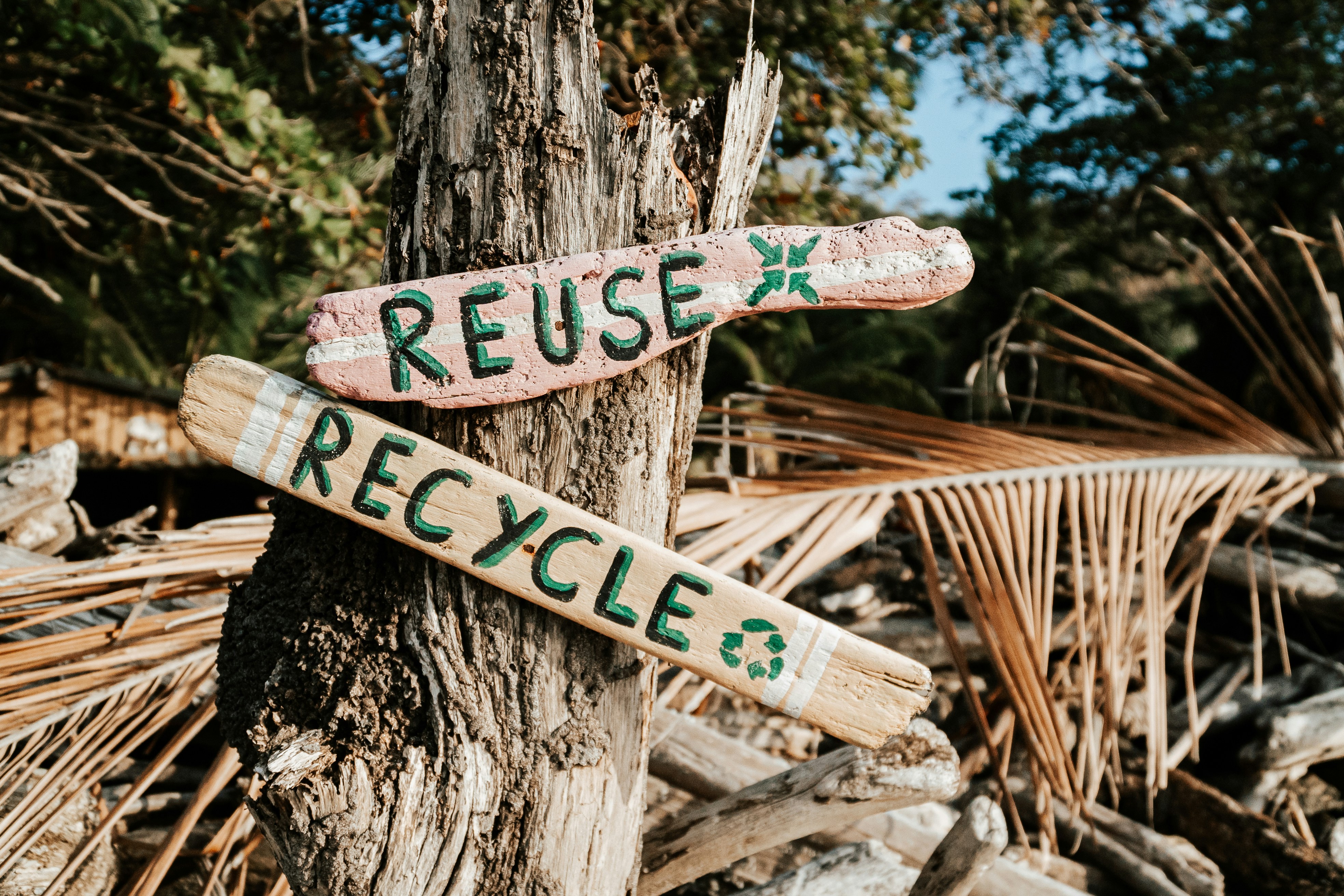
The circular economy is about more than recycling. It is about reimagining the entire life cycle of a product: from how it is designed to how it is recovered at the end of its useful life. This implies repairing things rather than simply throwing them away. Reusing and refurbishing rather than buying something new. Sharing what we don’t use daily, and manufacturing with durability and repairability in mind. It is about developing a different mindset on an industrial and individual level.
Why is this necessary now?
We extract more than 100 billion tons of materials from the Earth each year, and only 8% of that circulates back into the economy. The rest ends up as waste, pollution or emissions. Within a context of finite resources, climate change, and population growth, maintaining the linear model is simply unsustainable. The circular economy is one of the most sensible and available options we have.
1. Repair: the first circular action
Repairing something that is broken is the most circular action that exists. That said, we have grown accustomed to throwing things away instead of repairing them, because it is often cheaper to buy new than fix the old. In hundreds of cities around the world, repair cafés – free workshops open to the public where volunteers help repair household objects, appliances or clothes – are changing this way of thinking. Repairing things is possible – and often much simpler than it seems.
2. Reuse: giving a second life to something that already exists
Before an object becomes waste, it can be given a second, third, even fourth life. Several concrete examples show that reusing products really works, including second-hand markets, exchange platforms, vintage clothing stores or construction material banks. In Spain, apps like Wallapop or Vinted or neighbourhood flea markets prove that reusing is not only sustainable but affordable and increasingly fashionable.
3. Share: access over ownership
We don’t have to own everything we use. Take a drill, for instance: we might use it an average of 15 minutes throughout its entire useful life – does it really make sense for every household to own one? Tool libraries, person-to-person rental platforms, shared vehicles or co-working spaces are examples of collaborative consumption that optimize resources and reduce superflous production.
4. Designed to last: the companies’ responsibility
The circular economy begins in the design phase. Companies should aspire to a standard defined by modular products that are easy to repair, made from recycled or recyclable materials, and come with readily available spare parts. The new European eco-design legislation marks a step forward in this direction, forcing manufacturers to extend the useful life of their products and make them easier to repair.
5. Circular fashion: dressing without destruction
The textile industry is one of the world’s most polluting sectors, but also one that is making the greatest strides towards circular models. Real alternatives to throwaway fashion are emerging, such as brands that collect used clothes to transform them into new garments, platforms to rent special occasion wear or workshops to mend and personalize clothing items. Dressing in a circular fashion is more accessible than ever.
6. Zero-waste food: cooking with what there is
Close to one third of food items produced in the world go to waste. Planning our shopping lists, conserving foods properly, taking advantage of leftovers, and composting organic waste are circular practices that any household can adopt. Initiatives such as food banks, apps to save restaurant food from going to waste such as To good to go or consumption cooperatives reduce waste on a collective scale.
7. Proven projects: circularity in action
Plenty of real-life examples prove that the circular economy is already working: The Ankara library built from books rescued from the garbage. Furniture manufacturers that work exclusively with recycled wood or shoe companies that collect old shoes to produce new soles. We don’t need big revolutions – we need good ideas and the will to put them into practice.
8. The circular citizen: small decisions, big impacts
Every time we repair an object rather than throwing it away or buy secondhand or lend someone something we aren’t using or choose products designed to last, we are putting the circular economy into practice. We don’t have to do everything at once, and we don’t have to be perfect: it is a matter of incorporating criteria which, when added to those of millions of other people, transform the system.
Extending the life of products extends the life of our planet
The circular economy is neither nostalgia nor austerity: it is treating our resources intelligently. It invites us to recover an appreciation for the value of objects, to understand that what we throw away has real costs, and to discover that living with less waste doesn’t make for a worse life. Things can last longer. It is good for the planet. And for us as well.