
How To Use Less Water and Still Live a Good Life
By Toni Ulled, beeletter.org
Water is not an infinite resource, although in many households, it might seem that way. It is an essential asset that is increasingly scarce and unequally distributed. Reducing water consumption isn’t a question of giving up comfort and convenience – it is about making more intelligent decisions in our day-to-day. Understanding how we use and waste water is the first step towards protecting this valuable resource without giving up a comfortable life.
What does it mean to consume water conscientiously?
Consuming water conscientiously isn’t about suffering thirst or showering with a glass. It is about knowing how much water we really use, where we might be wasting it, and what changes, no matter how small, can have a big impact. It means examining our habits, maintaining our water systems in good condition, and understanding that each drop has an environmental, economic, and social cost. Efficient water use is compatible with living a comfortable, decent life.
Why the urgency of doing this now?
Fresh water represents less than 3% of water on the planet and much of it is inaccessible. The climate crisis is exacerbating drought, reducing reserves, and altering water cycles around the globe. Spain is among the most vulnerable European countries in terms of water scarcity, and demand continues to grow. Taking action in our quotidian lives, in our day-to-day, isn’t optional – it is part of the solution.
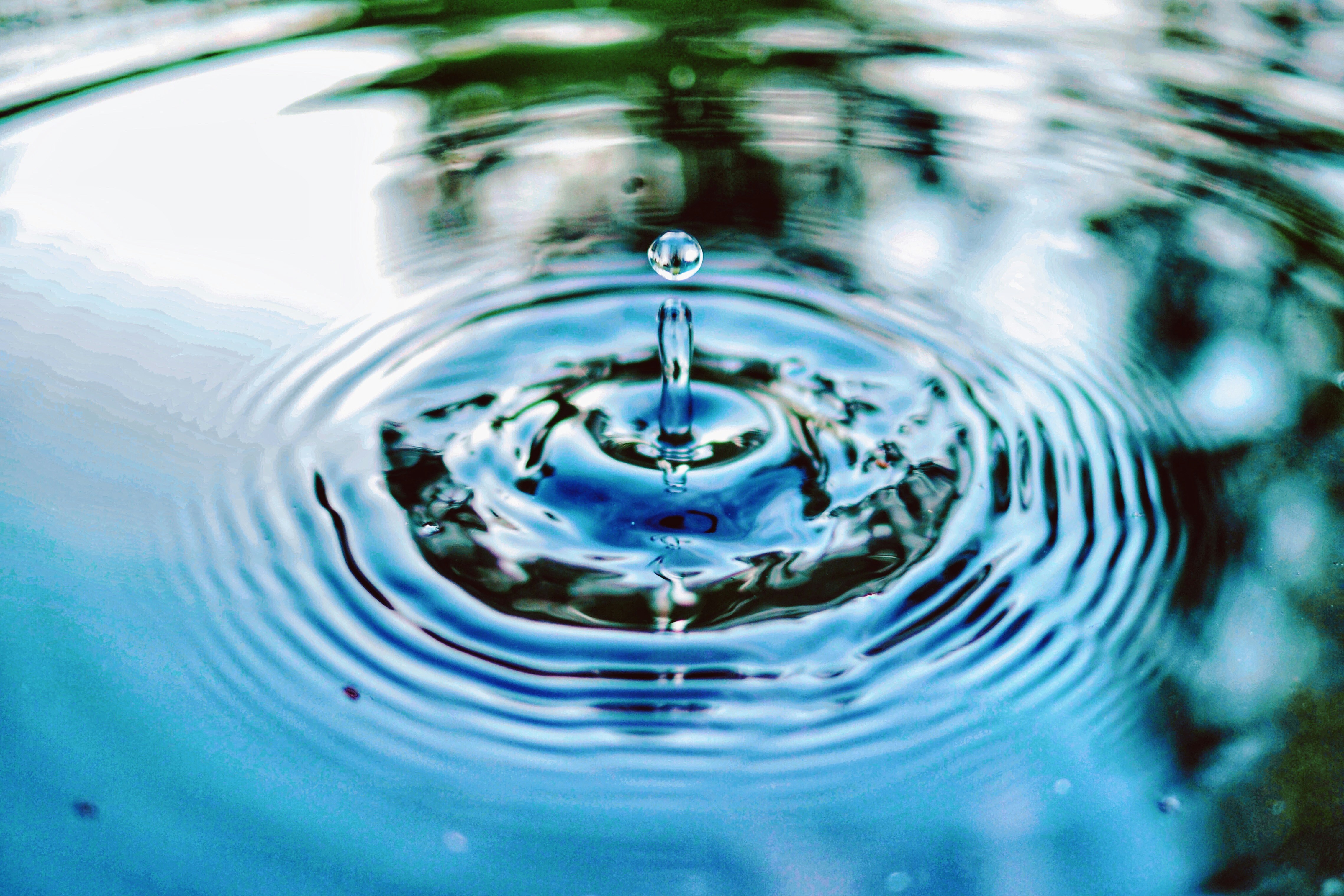
A drop of water
1. The bath and shower: the greatest possible savings
A five-minute shower consumes between 50 and 100 litres less water than running a bath. Installing a flow regulator in the tap or shower can cut consumption by half, and we wouldn’t even notice the difference. Turning off the water every time we apply soap or brush our teeth adds up to hundreds of litres in water savings per year.
2. The kitchen: small actions, big impact
We can make a difference by embracing some very simple habits such as unfreezing foods in the fridge rather than under the tap, running the dishwasher only when it is full or using the water we cooked our veggies in to water our plants. Only boiling the water we need also saves energy and water.
3. The toilet and leaks: wasting water without knowing it
A leaking chain can waste up to 200,000 litres of water per year without anyone noticing. Identifying and fixing leaks is one of the most effective actions we can take. By installing a dual-flush system, we can reduce consumption by half with every flush without any discernible change in our level of comfort.
4. The garden and plants: watering smart
Watering in the early morning or evening prevents evaporation. We can reduce outdoor water consumption by up to 50% by choosing plants adapted to the local climate, installing drip irrigation systems or harvesting rainwater to use in the garden. A well-designed Mediterranean garden is beautiful and almost self-sufficient.
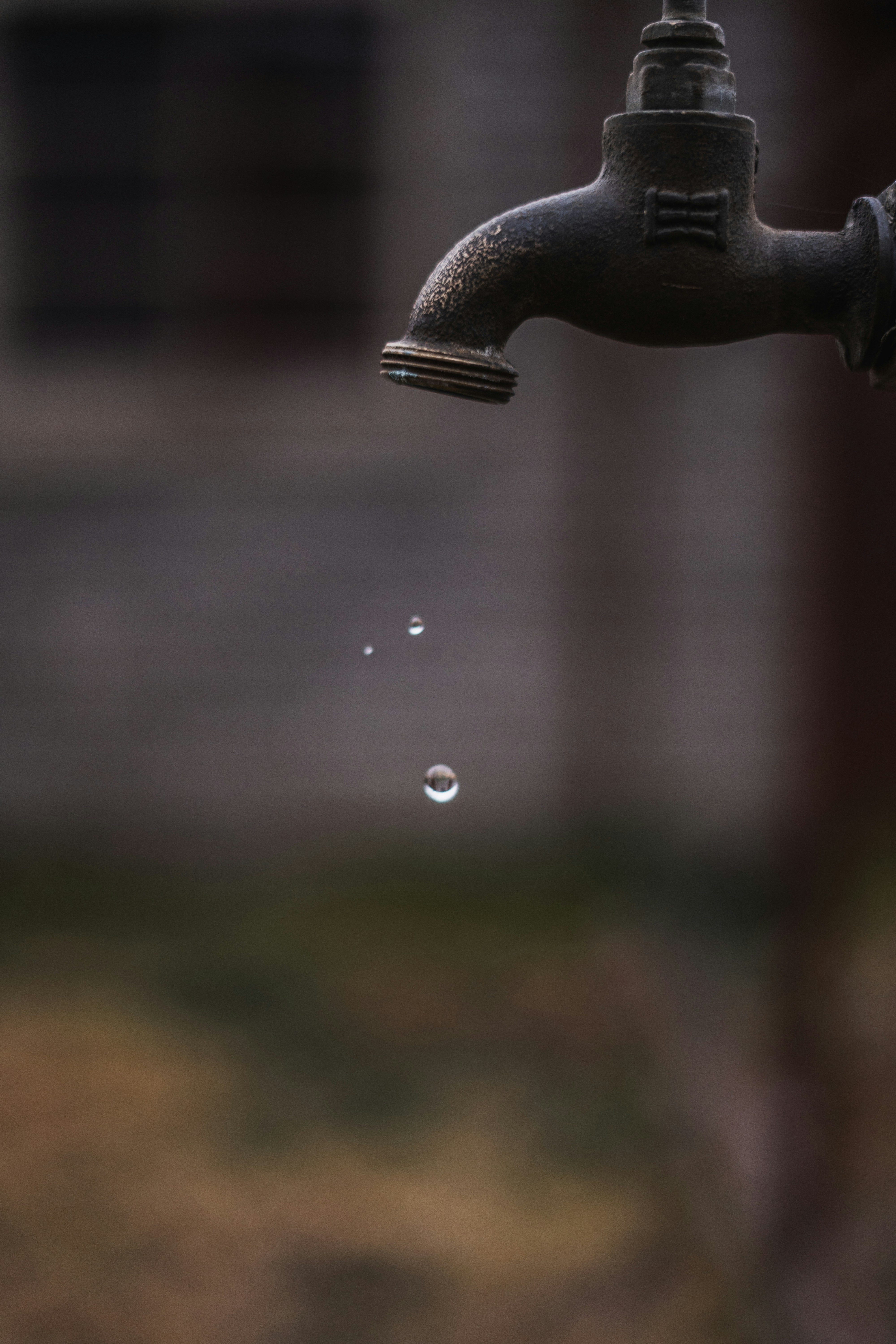
A tap
5. Clothing and consumption: the water we don’t see
Producing a cotton t-shirt consumes up to 2700 litres of water. Buying less, making better choices, and opting for second-hand clothing or sustainable materials are also ways of saving water even though it doesn’t flow out of our household tap. The water footprint of what we consume is real even if it isn’t visible to us.
6. Efficient household appliances: an investment that pays for itself
A high-efficiency washing machine can consume up to 40% less than an older model. Choosing appliances with a good energy or water rating, and only running them when fully loaded, reduces consumption consistently and quietly, one bill at a time.
7. Get informed and demand action: water is also political
Domestic consumption only represents one part of total water use: agriculture and industry are the biggest consumers. Knowing where our water comes from, supporting sustainable management policies, and demanding transparency from our public administrations are ways of being active water-conscious citizens. Water is not only a private matter.
8. Educating from a young age: habits last a lifetime
We learn consumption habits at home and in school. Teaching children to close the tap, value water, and understand its natural cycle is an investment in water culture that transcends generations. A society that protects water from childhood on is a more resilient society.
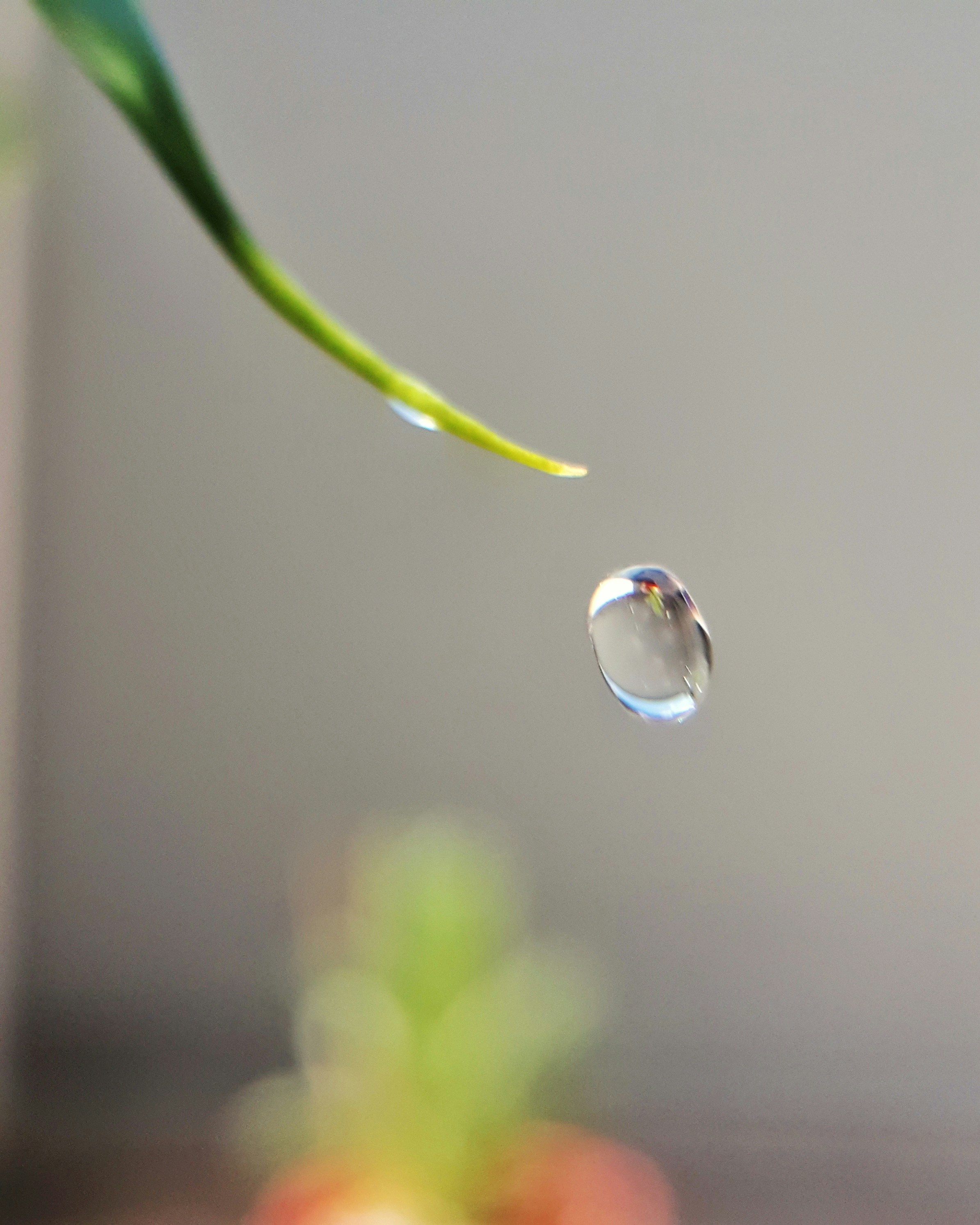
A leaf with a water drop
Using less water doesn’t reduce our quality of life – it makes it better
Reducing water consumption does not imply discomfort or renouncing anything in life. It implies paying attention, exercising good judgment, and making small everyday decisions that, taken together, have an enormous impact. The water we save today is water for tomorrow, for us and for everyone who is yet to come. Taking care of our water is synonymous with caring for ourselves.